Introduction: The Evolving Landscape of Healthy Living
Healthy living has long been a sought-after goal, yet its definition shifts as society evolves. In today’s world, where convenience often competes with wellness, understanding what healthy living truly means requires a deeper examination beyond diet and exercise. It is no longer sufficient to simply count calories or hit the gym; modern health demands an integrated approach that encompasses mental, emotional, and social dimensions.
Rethinking Physical Health in a Fast-Paced Society
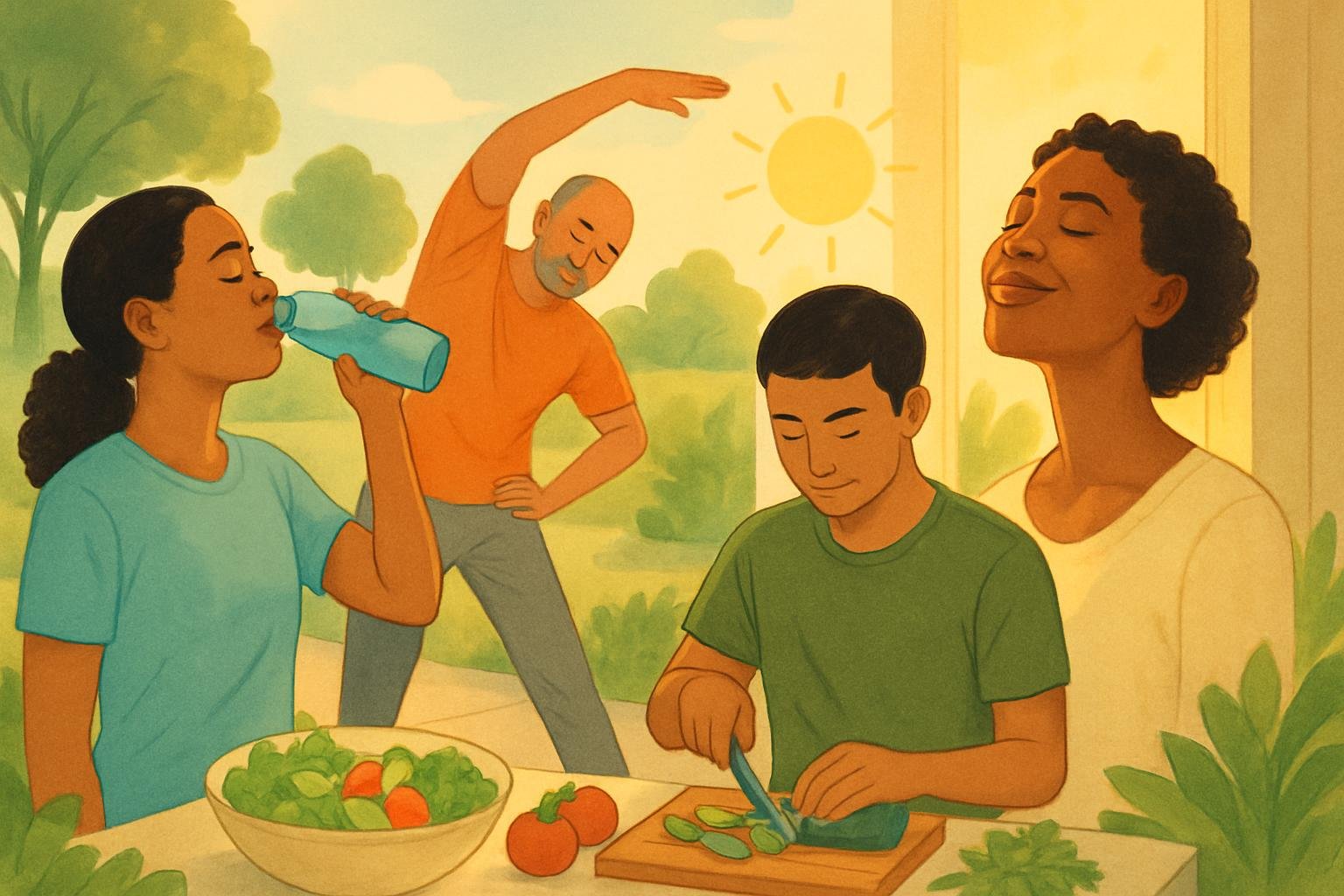
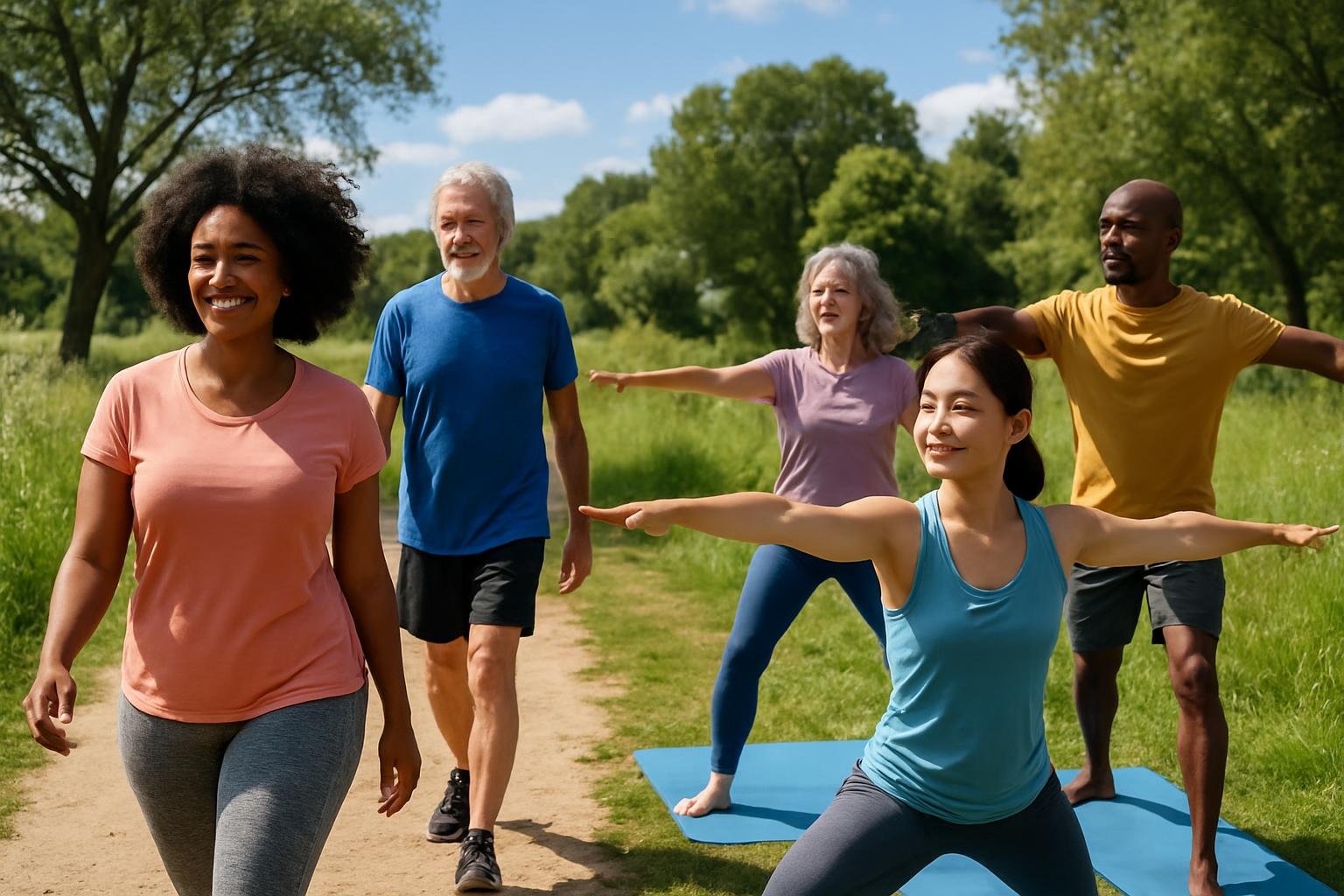
Physical health remains a cornerstone of healthy living, but the modern lifestyle challenges traditional practices. Sedentary jobs, digital dependence, and irregular sleep patterns disrupt natural bodily rhythms. Therefore, cultivating physical well-being means adapting exercise routines to fit individual needs and schedules, prioritizing movement throughout the day rather than isolated workouts, and embracing a balanced diet that fuels without restriction or excess.
The emphasis shifts towards sustainable habits that encourage consistent, enjoyable activity and mindful eating practices instead of quick fixes or fad diets. This shift fosters long-term vitality and prevents burnout or injury, which are common in high-intensity, short-term health trends.
The Crucial Role of Mental and Emotional Wellness
What sets modern healthy living apart is the recognition of mental and emotional wellness as interdependent with physical health. Stress, anxiety, and digital overload significantly impact overall well-being. Healthy living in the modern world demands practical strategies for managing mental health, such as mindfulness, adequate rest, and social connection.
Prioritizing mental health is not a luxury but a necessity. It influences motivation, resilience, and the ability to maintain other healthy habits. Incorporating mental health check-ins, cultivating supportive relationships, and setting realistic personal boundaries form an essential framework for holistic wellness.
Environmental and Social Considerations: Expanding the Definition
Modern health also considers one’s environment and community. The air we breathe, the food systems we rely on, and the social structures supporting us all impact our ability to live healthily. Choosing sustainable, locally sourced foods and supporting community wellness initiatives are increasingly recognized as part of maintaining personal health.
Moreover, social health—feeling connected and supported—enhances our resilience against challenges. Active participation in communities, whether local groups or digital forums that promote positive engagement, encourages a balanced and fulfilling life.
Practical Takeaways for Embracing True Healthy Living
- Integrate Movement into Daily Life: Find ways to be active beyond conventional exercise, such as walking meetings or standing desks.
- Focus on Quality Nutrition: Prioritize whole, minimally processed foods that provide nourishment without rigid restriction.
- Prioritize Mental Health: Practice mindfulness, seek professional support when needed, and develop habits to reduce stress.
- Build Social Connections: Cultivate meaningful relationships and engage in supportive communities.
- Consider Sustainability: Make choices that support environmental health, enhancing your own well-being in the process.
Conclusion: Embracing a Holistic Vision for Healthy Living
Healthy living in the modern world transcends simple checklists and outdated formulas. It is a dynamic, evolving practice that honors the interconnectedness of physical health, mental well-being, social bonds, and the environment. Embracing this comprehensive perspective allows individuals to create a sustainable lifestyle that supports vitality in the face of modern challenges.
Ultimately, healthy living is about balance and intentionality: crafting a life where body, mind, and community thrive in harmony. This approach not only improves day-to-day well-being but fosters resilience and fulfillment over a lifetime.