
Introduction: Why Daily Food Choices Matter
In the quest for a better lifestyle, the foundations often begin on our plates. While trends come and go, certain foods remain timeless pillars of health. Eating well every day isn’t just about fleeting diets or restrictive regimens; it is about consistently choosing foods that nurture physical and mental well-being. This article explores key healthy foods to incorporate daily, not as a rigid checklist, but as flexible, wholesome options that foster sustained vitality.
The Role of Nutrient-Dense Foods in Everyday Life
Not all calories are created equal. Nutrient density — the concentration of vitamins, minerals, antioxidants, and fiber relative to caloric content — makes some foods especially valuable. Including a variety of nutrient-dense foods daily helps meet physiological needs, sustain energy, and reduce chronic disease risk. Prioritizing these foods encourages a balanced intake without sacrificing satiety or flavor.
Top Healthy Foods to Include Every Day
1. Leafy Green Vegetables
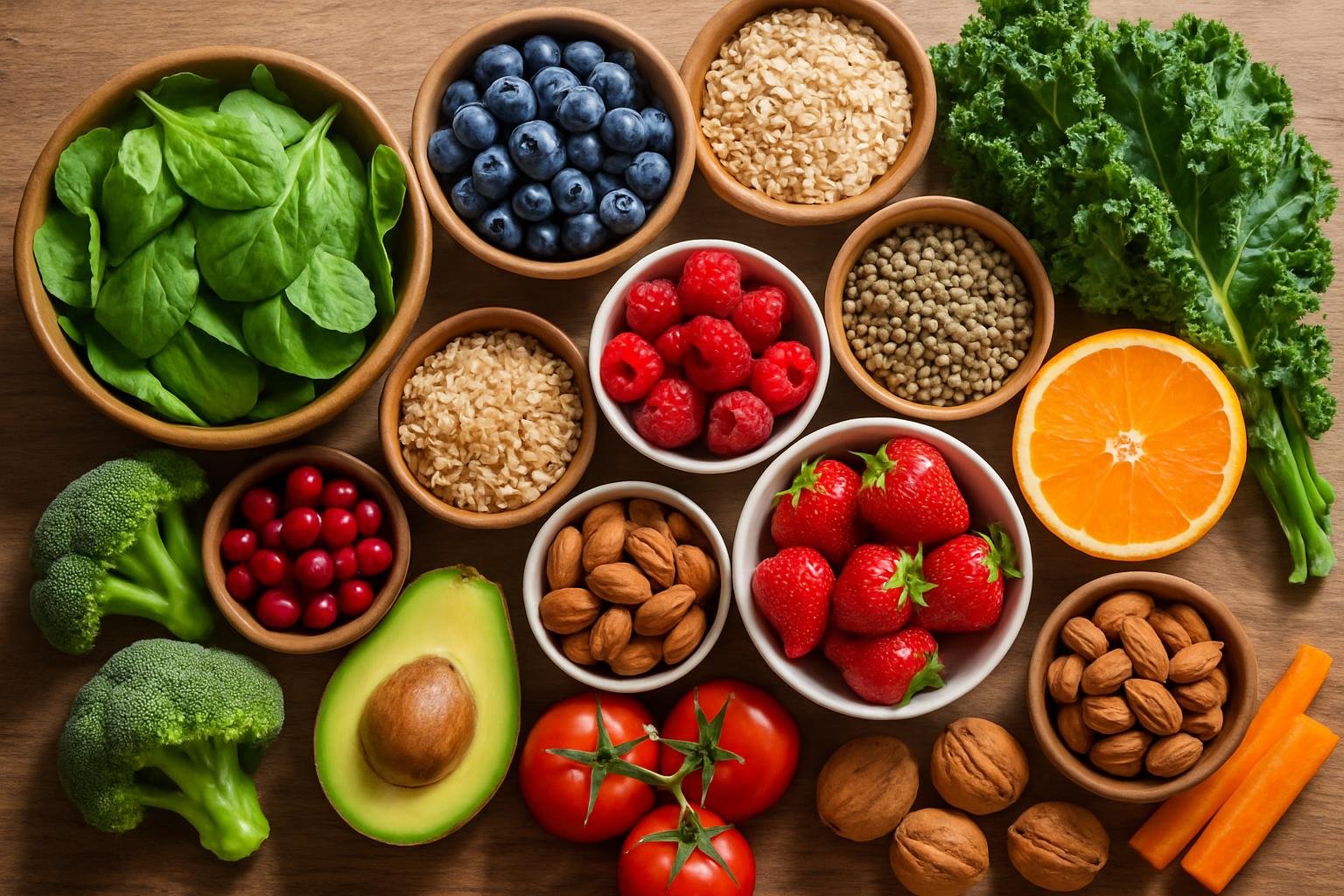
Spinach, kale, Swiss chard, and other leafy greens provide a rich source of vitamins A, C, K, and minerals like magnesium and iron. Their high fiber content supports digestion and helps maintain a healthy weight. Easily added to soups, salads, or smoothies, these greens deliver powerful antioxidants and phytonutrients essential for cellular health.
2. Berries
Blueberries, strawberries, raspberries, and blackberries offer potent antioxidant properties, combating oxidative stress and inflammation. Low in calories but packed with fiber and vitamin C, berries are natural sweet snacks or excellent accompaniments to cereals or yogurts, promoting heart and brain health.
3. Whole Grains
Replacing refined grains with whole grains like quinoa, brown rice, oats, and barley introduces more fiber, vitamins B, and minerals. These complex carbohydrates provide steady energy release, aid digestive health, and reduce risk factors associated with cardiovascular disease and diabetes.
4. Nuts and Seeds
Almonds, walnuts, chia seeds, flaxseeds, and pumpkin seeds contribute healthy fats, protein, and micronutrients like zinc and vitamin E. Moderation is key, as they are calorie-dense; however, their inclusion supports brain function, reduces inflammation, and enhances satiety.
5. Legumes
Beans, lentils, and peas are excellent plant-based sources of protein, fiber, and iron. Incorporating legumes daily can aid blood sugar regulation, lower cholesterol, and support a balanced gut microbiome, contributing to long-term metabolic health.
6. Healthy Fats from Avocados and Olive Oil
Monounsaturated fats found in avocados and extra virgin olive oil promote cardiovascular health by improving cholesterol profiles and reducing inflammation. These fats also enhance absorption of fat-soluble vitamins from other foods, amplifying their nutritional benefit.
7. Fresh Vegetables of Various Colors
Diversity in fresh vegetables—carrots, bell peppers, tomatoes, broccoli—ensures a broad spectrum of antioxidants, vitamins, and minerals. Colorful vegetables provide unique phytochemicals that support immune function and reduce oxidative damage.
Practical Strategies for Integrating Healthy Foods Daily
Establishing a routine to eat these healthy foods daily can be straightforward, emphasizing variety over perfection. Plan meals ahead incorporating leafy greens in breakfast smoothies or salads; add berries as snacks or dessert; swap white rice for quinoa or brown rice; and keep a handful of nuts or seeds for quick energy boosts. Small, manageable changes compound to create lasting habits that enhance lifestyle quality.
Conclusion: Creating a Lifelong Habit of Healthful Eating
Choosing healthy foods daily extends beyond nutrition; it reflects a commitment to oneself and sustainable living. By focusing on nutrient-rich foods such as leafy greens, berries, whole grains, nuts, legumes, healthy fats, and fresh vegetables, individuals can foster a better lifestyle marked by resilience, energy, and well-being. Adapting these food choices with flexibility and enjoyment allows for a practical, enduring path to health that is as rewarding as it is nourishing.