
Natural Ways to Reduce Stress in Your Daily Life: Practical and Effective Strategies
In the fast-paced rhythm of modern life, stress has become a near-constant companion for many. While occasional stress can motivate and sharpen focus, chronic stress wears down our mental and physical well-being. Finding natural, sustainable ways to reduce stress is not just beneficial—it’s essential for a balanced life. By integrating mindful approaches and small lifestyle adjustments, anyone can foster resilience and reclaim tranquility.
Understanding the Nature of Stress
Stress is a biological response to perceived challenges or threats. It triggers the body’s ‘fight or flight’ mechanism, releasing hormones like cortisol and adrenaline. This response is adaptive in short bursts but problematic when prolonged. Long-term stress can impair immune function, disrupt sleep, and contribute to anxiety and depression.
Recognizing that stress arises from both external triggers and our internal reactions is crucial. While we can’t always control external pressures, we have considerable influence over how we process and respond to them.
Incorporate Mindfulness and Meditation
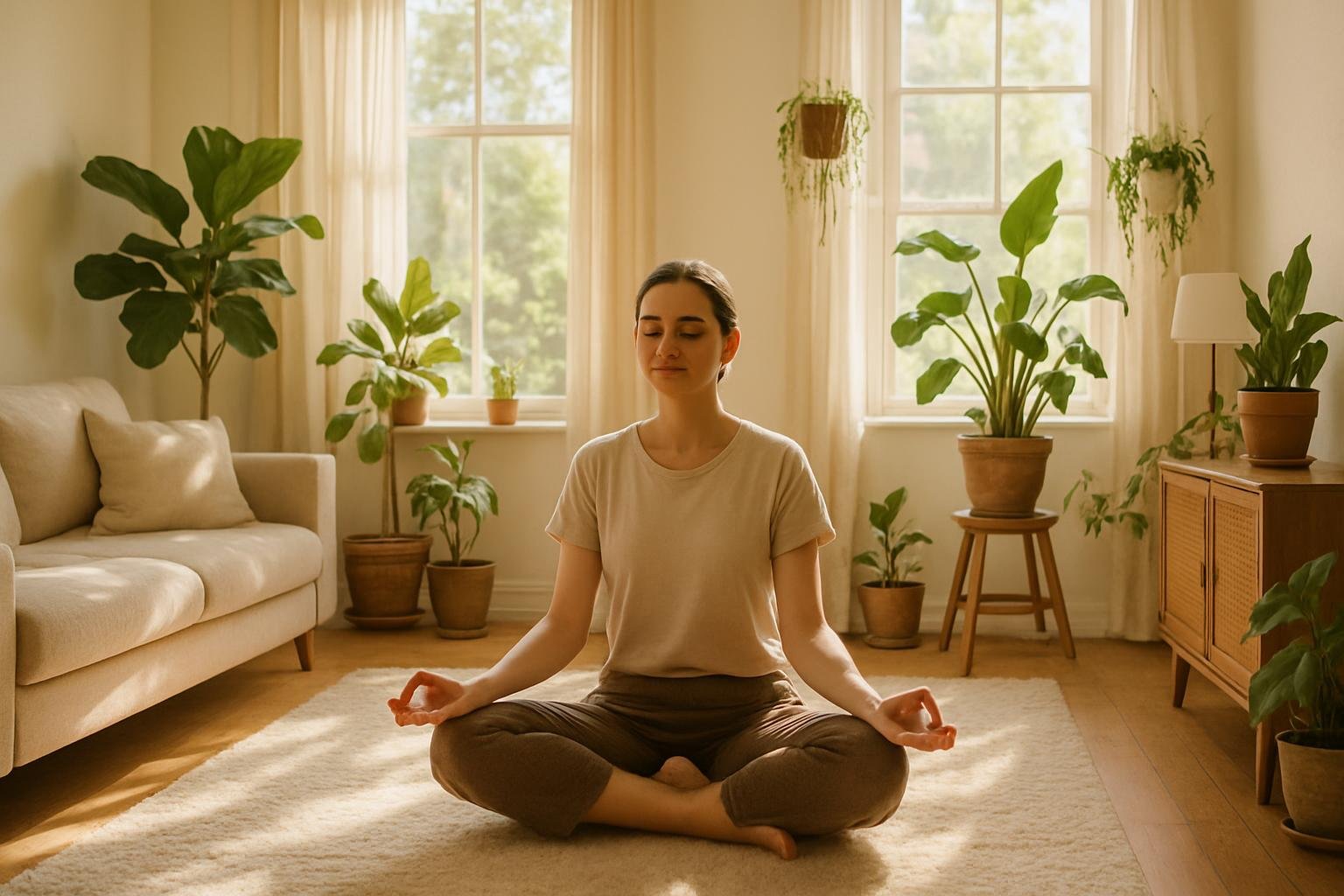
Mindfulness and meditation promote conscious awareness of the present moment, helping to interrupt the cycle of worries and negative thoughts that fuel stress. Even brief, daily mindfulness practices can lower cortisol levels and improve emotional regulation.
Starting with five to ten minutes a day of focused breathing or guided meditation can establish a grounded sense of calm. Over time, mindfulness trains the brain to observe stress without becoming overwhelmed.
Harness the Power of Physical Activity
Physical exercise is a proven antidote to stress. It stimulates endorphin production, the body’s natural mood enhancers. Moreover, regular movement improves sleep quality and cognitive function, both of which are often compromised by chronic stress.
This doesn’t mean intense workouts are necessary. Moderate activities such as walking, yoga, or swimming support relaxation and can fit more easily into busy schedules.
Optimize Your Environment
The spaces we inhabit significantly affect stress levels. Clutter and chaos can amplify feelings of tension. Creating an ordered, calming environment supports mental clarity and relaxation.
Simple steps—like tidying your workspace, incorporating natural light, and adding elements such as plants—can improve mood and reduce stress. Consider also limiting screen time and notifications to minimize sensory overload.
Nourish Your Body Thoughtfully
Nutrition plays an underappreciated role in managing stress. Diets rich in whole foods—vegetables, fruits, lean proteins, and healthy fats—provide essential nutrients that support brain health and hormonal balance.
Avoid excessive caffeine, sugar, and processed foods, which can exacerbate anxiety and mood swings. Staying hydrated and eating regular, balanced meals stabilize energy and emotional resilience throughout the day.
Prioritize Rest and Sleep Hygiene
Chronic stress often disrupts sleep, creating a vicious cycle. Prioritizing restful sleep is fundamental in natural stress reduction. Establishing consistent bedtime routines, minimizing screen exposure before sleep, and creating a cool, dark, quiet bedroom environment enhance sleep quality.
Short naps and relaxation techniques before bed, like gentle stretching or listening to soothing music, can further ease the transition to restful slumber.
Develop Meaningful Social Connections
Strong social support is a natural buffer against stress. Sharing concerns and emotions with trusted friends or family fosters connection and perspective. Socializing also releases oxytocin, a hormone that counters stress.
If in-person interaction is limited, consider virtual meetups or joining community groups that resonate with your interests. Meaningful relationships nurture emotional well-being and provide practical encouragement in challenging times.
Practice Acceptance and Set Boundaries
Learning to accept what cannot be changed helps alleviate unnecessary stress. It’s also important to set boundaries around time and energy—knowing when to say no or disengage from draining commitments preserves mental resources.
Being mindful of personal limits and advocating for oneself fosters a sense of control rather than being overwhelmed by external demands.
Conclusion: Cultivating Calm Through Everyday Choices
Stress is an inevitable part of life, but it doesn’t have to dominate your experience. Natural stress reduction arises from intentional daily choices that nurture mind and body alike. By embracing mindfulness, movement, nourishing foods, restful sleep, supportive relationships, and healthy boundaries, you build a resilient foundation for well-being.
The path to reduced stress is less about grand gestures and more about consistent, thoughtful practices that create space for calm amidst life’s continual challenges.