
Introduction
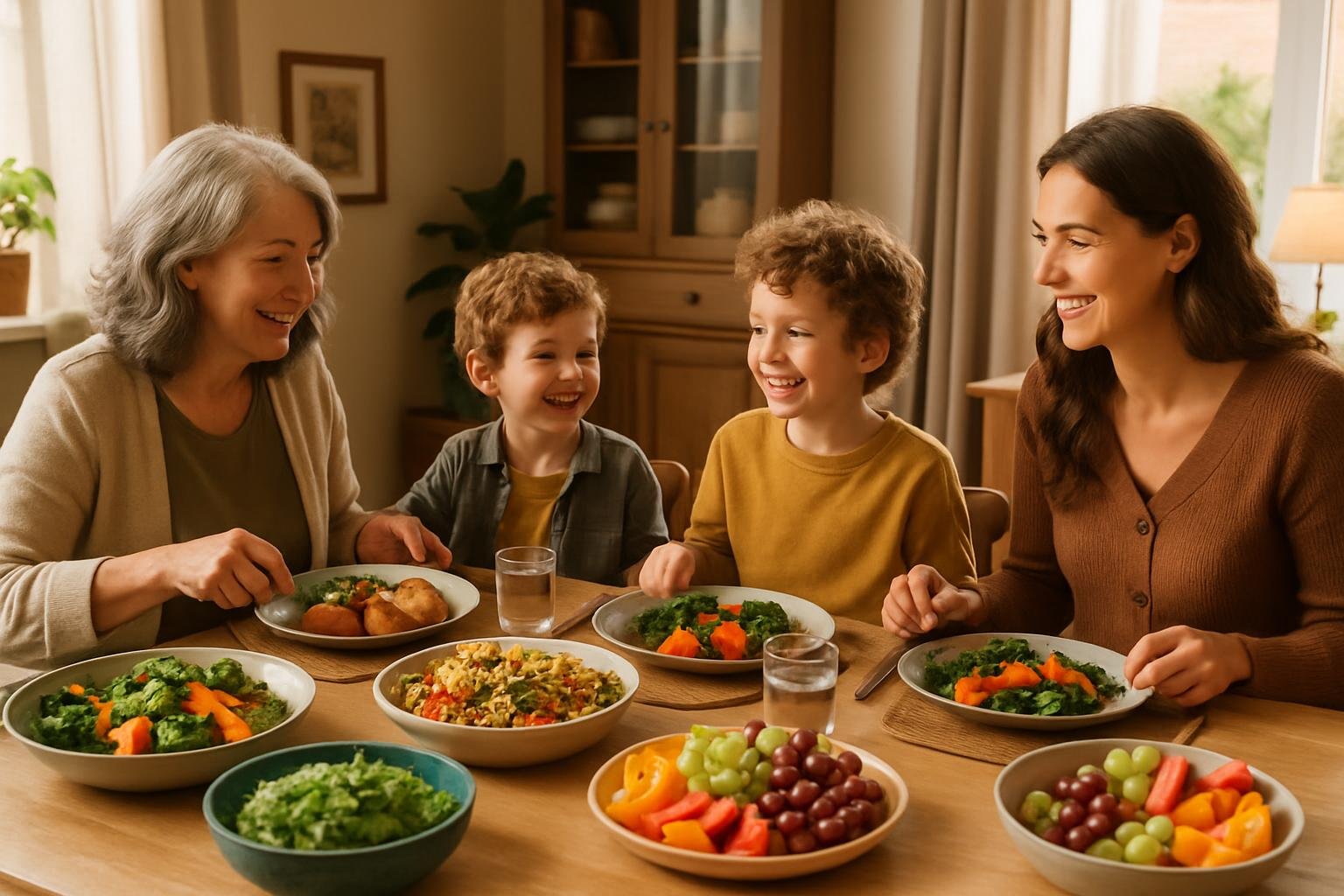
Preparing healthy dinners that resonate with every family member’s tastes can often feel like a culinary balancing act. Between picky eaters, work schedules, and the desire to serve nutritious meals, the challenge is real. Yet, with thoughtful planning and a strategic approach to ingredients, it’s possible to create dinners that are both wholesome and universally appealing. This article explores expert perspectives on crafting family-friendly healthy dinners, offering insight into ingredient selection, meal structure, and preparation techniques that can transform your weeknight routines.
Balancing Nutrition and Flavor
The cornerstone of a successful family dinner is nutrition. Prioritizing protein sources, vegetable diversity, and whole grains ensures a meal that fuels and satisfies. However, nutrition alone is insufficient if flavor is compromised. Incorporating herbs, spices, and natural flavor enhancers like citrus or garlic can elevate dishes without adding excess calories or sodium.
Consider dishes like baked herb chicken with roasted seasonal vegetables or quinoa bowl variations that include colorful veggies and a light vinaigrette. These meals meet nutritional benchmarks while offering flavor complexity that appeals to both adults and children.
Strategies for Inclusive Meal Planning
Inclusivity at the dinner table means catering to varying preferences and dietary needs without preparing multiple separate dishes. One practical approach is to build meals using a modular concept: a protein, a base, and a variety of sides or toppings. This allows family members to customize their plates while simplifying cooking.
For example, a taco night featuring grilled fish, a choice of brown rice or whole wheat tortillas, and an array of fresh salsa, avocado, beans, and greens encourages autonomy and excitement about healthy ingredients.
Leveraging Convenience Without Sacrificing Quality
Time constraints often push families towards fast food or less nutritious options. However, convenience and health don’t have to be mutually exclusive. Preparing components in advance—such as chopping vegetables or cooking grains—can streamline weeknight cooking. Utilizing tools like slow cookers or sheet pans also reduces active cooking time and cleanup.
Batch cooking soups, stews, or casseroles packed with vegetables and balanced proteins is another method to ensure quick access to healthful dinners throughout the week.
Engaging Children in the Process
Children who participate in meal preparation are more likely to try new foods and develop positive associations with healthy eating. Even simple tasks like washing vegetables, stirring ingredients, or setting the table can build interest and ownership.
Designing meals with kid-friendly components—such as colorful veggies cut into fun shapes or mild seasoning—can further enhance acceptance without compromising health goals.
Conclusion
Creating healthy dinner ideas for the whole family demands thoughtful integration of nutrition, flavor, accessibility, and customization. By embracing balanced ingredients, modular meal structures, convenience strategies, and inclusive preparation methods, families can transform dinners into occasions that nourish the body and bring everyone together. This approach cultivates not only better eating habits but also deeper connections around the family table, fostering lifelong wellness and enjoyment.