
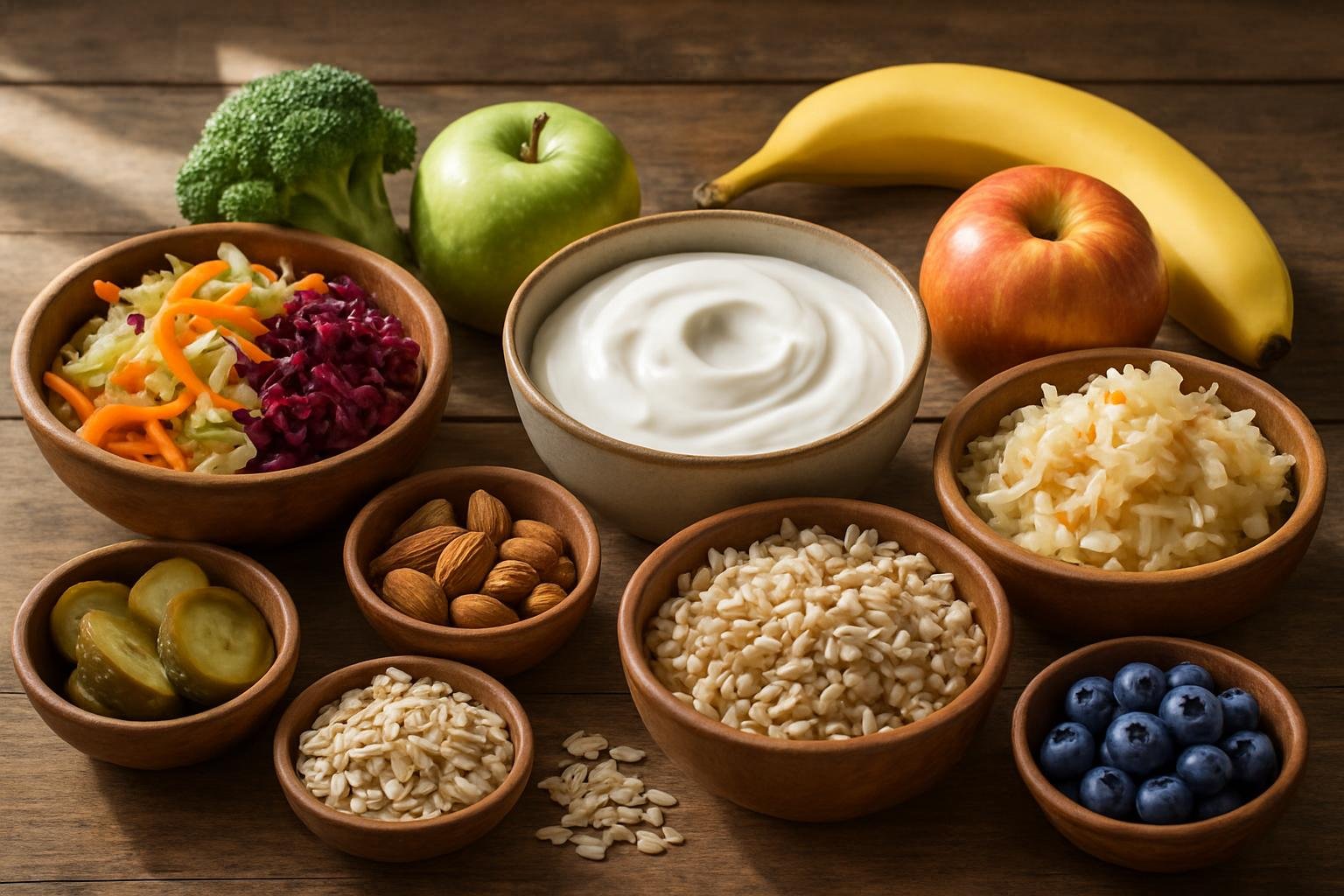
Natural Foods That Enhance Gut Health: A Holistic Approach
Gut health has steadily moved from a niche wellness topic to a mainstream priority, recognized for its role in digestion, immunity, and even mental well-being. While supplements and probiotics abound, the foundation of robust gut health remains strongly tied to diet. The most sustainable, effective strategy is embracing natural, whole foods that foster a healthy digestive ecosystem. This article explores these foods in depth, offering practical insights into how they nourish and balance your gut.
Understanding Gut Health: The Role of Diet
The human gut hosts trillions of microorganisms forming a complex microbiome crucial for breaking down food, synthesizing vitamins, and modulating immune responses. A diverse and balanced microbiome supports digestion and wards off harmful bacteria. Diet profoundly influences this balance—foods rich in fiber, prebiotics, and fermented ingredients can encourage a thriving gut flora, while processed foods often disrupt it.
Fiber-Rich Foods: The Prebiotic Powerhouses
Dietary fiber isn’t just about promoting regularity; it serves as food for beneficial gut bacteria. Prebiotics, a subset of fibers found in foods like onions, garlic, leeks, asparagus, and bananas, stimulate the growth of these microbes. Insoluble fiber from whole grains and vegetables adds bulk to stool, aiding smooth digestion, while soluble fiber in oats and legumes creates a gel-like substance that slows digestion and stabilizes blood sugar.
Incorporating a variety of fiber sources into daily meals ensures your gut bacteria receive diverse nourishment, which is key to maintaining microbial diversity and resilience.
Fermented Foods: Natural Probiotics
Fermented foods are celebrated for their probiotic qualities—live beneficial bacteria that temporarily inhabit the gut and support its environment. Traditional staples such as yogurt, kefir, sauerkraut, kimchi, miso, and tempeh supply these microbes in their most natural form. These foods not only boost bacterial populations but also introduce enzymes and fermentation-derived metabolites that aid digestion and curb inflammation.
Regular consumption of fermented foods can complement the prebiotic-rich diet, creating a symbiotic relationship that optimizes gut flora.
Polyphenol-Rich Foods: Plant Compounds That Protect
Polyphenols are compounds found in fruits, vegetables, tea, coffee, and dark chocolate. Beyond their antioxidant properties, they influence the gut microbiome by selectively feeding beneficial bacteria and suppressing harmful strains. Berries, apples, green tea, and red grapes are excellent sources.
Adding these vibrant foods adds both flavor and functional benefits that support gut barrier integrity and reduce systemic inflammation.
Healthy Fats and Gut Integrity
Not all fats are created equal when considering gut health. Omega-3 fatty acids, found in fatty fish, flaxseeds, and walnuts, exhibit anti-inflammatory effects that can protect gut lining and foster beneficial microbial shifts. Meanwhile, saturated and trans fats may provoke adverse changes in gut flora composition.
Prioritizing sources of healthy fats while limiting processed fats aligns dietary choices with gut-friendly outcomes.
Practical Guidance for Daily Eating
Creating a gut-supportive diet is less about elimination and more about inclusion and variety. Start by focusing on whole, minimally processed foods. Here are some actionable tips:
- Fill half your plate with vegetables: Choose colorful, fiber-dense options to feed your microbiome.
- Add a serving of fermented food daily: Incorporate yogurt or kimchi alongside meals.
- Replace refined grains with whole grains: Opt for oats, quinoa, or barley.
- Snack on nuts and fruits: These provide polyphenols and additional fiber.
- Choose fatty fish or plant-based omega-3 sources: Aim for two servings per week.
Consistency matters more than perfection. Gradual adjustments allow the gut ecosystem to adapt and flourish without discomfort.
Conclusion: Embracing Food as a Foundation for Gut Health
Gut health is a cornerstone of overall wellness, deeply influenced by what we eat. Natural foods rich in fiber, probiotics, polyphenols, and healthy fats create an environment where beneficial microbes thrive and digestive processes optimize. While individual dietary needs will vary, the principles of diversity, balance, and whole-food focus offer a reliable roadmap to support gut vitality naturally. Prioritizing these foods is an investment in not just digestive comfort but in long-term health and resilience.