
Introduction: The Importance of a Balanced Meal Plate
Eating well is more than just choosing healthy foods; it’s about combining them in a way that nourishes the body efficiently. The balanced meal plate concept provides a simple framework to ensure meals are not only delicious but also nutritionally complete. As home cooks, understanding this framework empowers us to make informed decisions that promote long-term health without sacrificing flavor or convenience.
Understanding the Components of a Balanced Plate
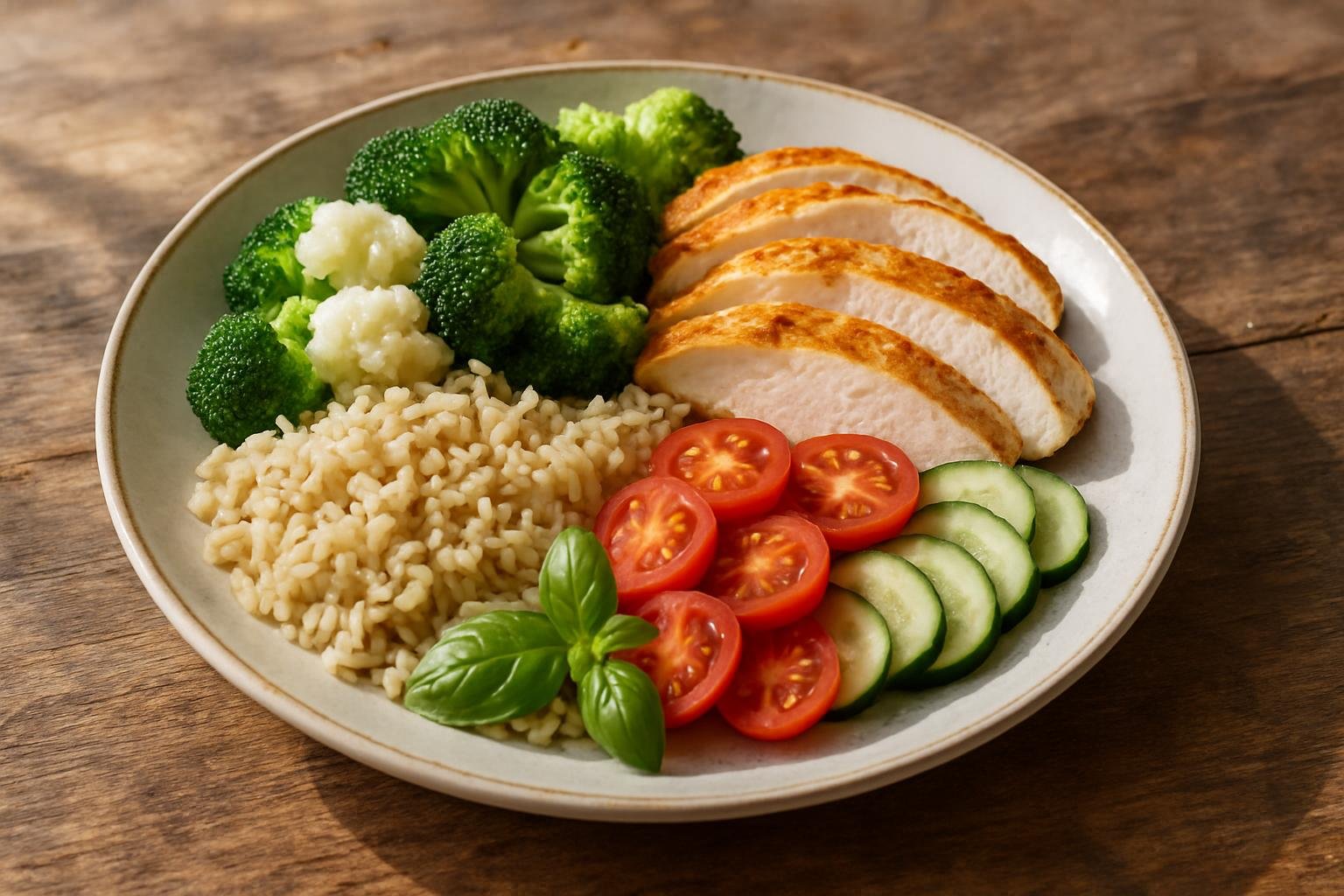
A balanced meal plate generally includes three core components: vegetables and fruits, lean proteins, and whole grains or starchy vegetables. Each plays a crucial role in supporting bodily functions. Vegetables and fruits offer fiber, vitamins, and antioxidants; proteins are essential for tissue repair and muscle maintenance; and whole grains provide energy and important micronutrients.
Portioning for Practical Nutrition
A common challenge is not just what foods to include but how much of each. The plate method suggests dividing your plate into segments: half filled with colorful vegetables and fruits, a quarter with lean protein, and a quarter with whole grains or starches. This visual guide promotes nutrient density and controls calorie intake without the need for complex calculations or calorie counting.
Choosing Quality Ingredients
Quality matters as much as quantity. Opting for fresh or minimally processed vegetables and fruits elevates the nutrient content and taste of your meal. For proteins, lean cuts of meat, plant-based proteins like legumes, or fish rich in omega-3 fatty acids are excellent choices. Whole grain options include quinoa, brown rice, barley, or whole wheat pasta — each contributing beneficial fiber and sustained energy release.
Incorporating Healthy Fats Thoughtfully
While not always visually represented on the plate, healthy fats should not be overlooked. Adding modest amounts of nuts, seeds, olive oil, or avocado enhances flavor, supports cell function, and aids in nutrient absorption. These fats can be integrated into dressings, cooking methods, or as meal accompaniments.
Practical Takeaways for Home Cooking
Start simple: focus on half your plate being vegetables or fruits with vibrant colors. Use a kitchen scale or measuring cups initially to get comfortable with portion sizes. Experiment with herbs and spices to increase variety without added sodium or calories. Planning meals around seasonal produce can boost taste and affordability. Finally, remember that flexibility is key; balanced does not mean rigid. Adapt the principles according to personal preferences, dietary restrictions, and cultural food traditions.
Conclusion: Beyond the Plate—Building Sustainable Habits
Building a balanced meal plate at home is both an art and a science. It requires mindful ingredient choices, attention to portion sizes, and an appreciation for variety. More importantly, it serves as a stepping stone toward sustainable eating habits that nurture the body and delight the senses. By mastering this approach, home cooks can confidently create meals that support health goals and foster a positive relationship with food.