
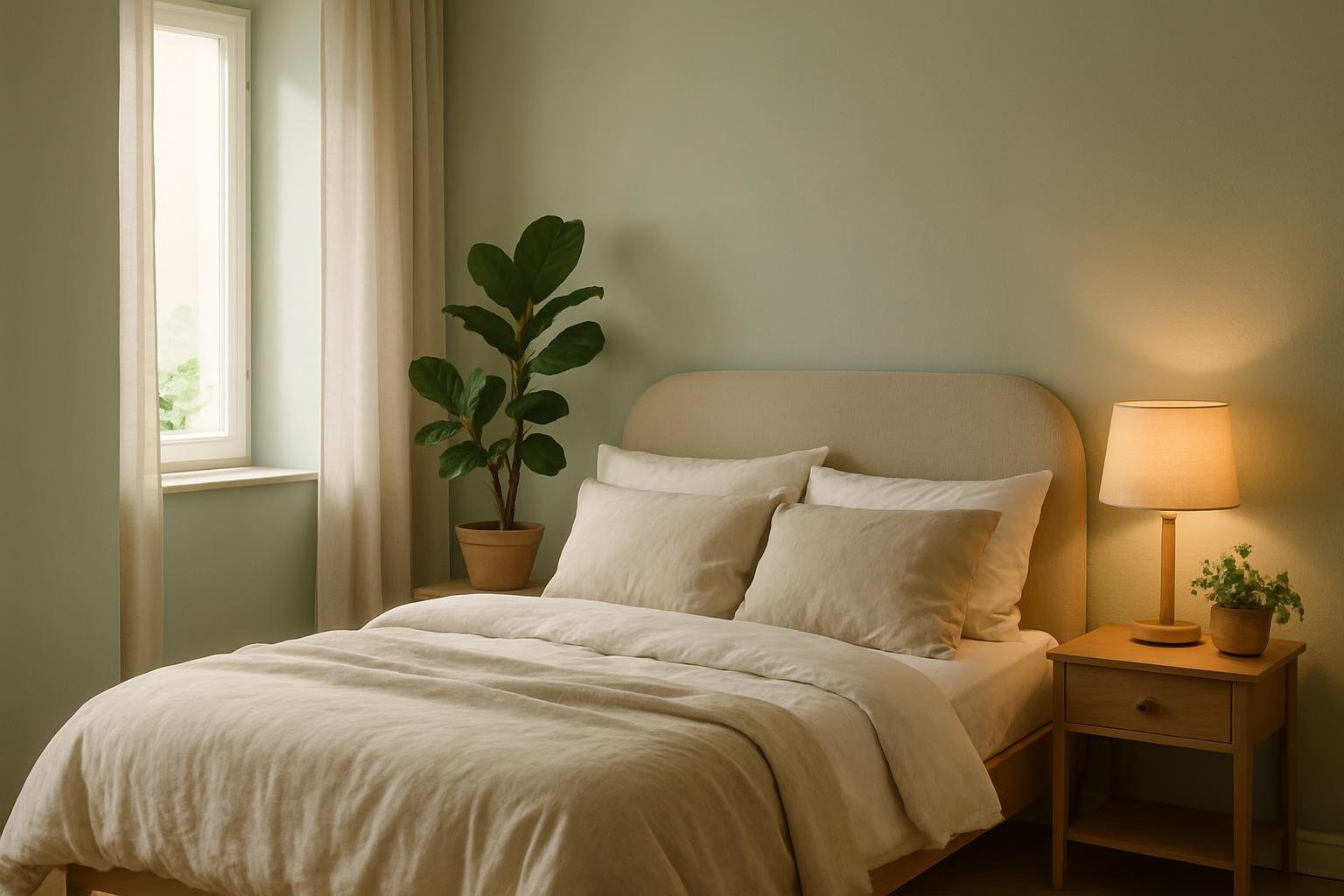
Introduction: The Bedroom’s Role in Quality Sleep
Sleep, the cornerstone of well-being, hinges not just on habits but significantly on the environment we retreat to each night. The bedroom’s ambiance profoundly influences relaxation and restorative rest. Yet, many overlook how subtle changes can yield dramatic improvements. This article delves into practical, expert-driven approaches to transforming your bedroom into a serene haven conducive to better sleep.
1. Prioritize Soothing Color Palettes
Color psychology plays a critical role in our emotional state. Soft, muted hues—such as pale blues, gentle greens, or warm neutrals—encourage calm and reduce mental agitation. Bright or overly saturated colors can stimulate the brain, making it harder to unwind. Choosing a color scheme that fosters tranquility lays a foundational element for a sleep-friendly bedroom.
2. Optimize Lighting for Circadian Rhythm Support
Lighting profoundly impacts melatonin production, the hormone regulating sleep-wake cycles. Incorporate dimmable lights and warm-tone bulbs to signal the body toward restfulness as evening sets in. Minimize exposure to blue light from electronic devices before bedtime. Blackout curtains or shades can block external light disturbances, creating a dark environment essential for deep, uninterrupted sleep.
3. Invest in Quality Bedding and Comfortable Furniture
The tactile experience of bedding directly influences sleep quality. Opt for natural, breathable fabrics like cotton or linen that regulate temperature and reduce discomfort. A mattress that adequately supports your preferred sleeping posture helps avoid aches and restless nights. Pillows tailored to your neck and head alignment preferences further enhance comfort, making the bedroom a sanctuary inviting peaceful slumber.
4. Declutter and Design with Intentional Minimalism
Clutter visually and psychologically disrupts calm. A disorganized space can provoke stress and distract from relaxation. Embracing minimalism—keeping only essentials and stowing away distractions—cultivates an environment where the mind can quiet. Intentional décor choices, focusing on meaningful or soothing objects, distinguish the bedroom as a place dedicated solely to rest and recharging.
5. Integrate Natural Elements and Scents
Bringing aspects of nature indoors—like plants or wooden accents—can elicit feelings of peace and grounding. Many plants also improve air quality, which contributes indirectly to comfort and better sleep. Additionally, subtle aromatherapy through scents such as lavender or chamomile is widely known to promote relaxation. Incorporating these elements thoughtfully can enrich the bedroom’s calming atmosphere.
6. Manage Soundscapes to Enhance Tranquility
Sound impacts sleep profoundly. While complete silence may be ideal for some, others benefit from gentle, consistent background noise. White noise machines or soft ambient sounds can mask disruptive noises like traffic or household activity, maintaining sleep continuity. Alternatively, earplugs can help achieve quietude in noisier environments. Curating your bedroom’s soundscape is a powerful but often underestimated factor in fostering better sleep.
Conclusion: Crafting Restful Nights Through Thoughtful Bedroom Design
Creating a relaxing bedroom is both an art and a science. It requires addressing sensory inputs—light, sound, touch, smell—with intention and awareness of how each impacts our physiology and psychology. By adopting calming colors, enhancing comfort, reducing clutter, and managing sensory stimuli, you can transform your bedroom into a personal oasis that supports deeper, more restorative sleep. The investment in these steps yields lasting dividends in health, mood, and daily performance. Prioritize your bedroom’s design not as mere decoration but as a foundational pillar of your well-being.