
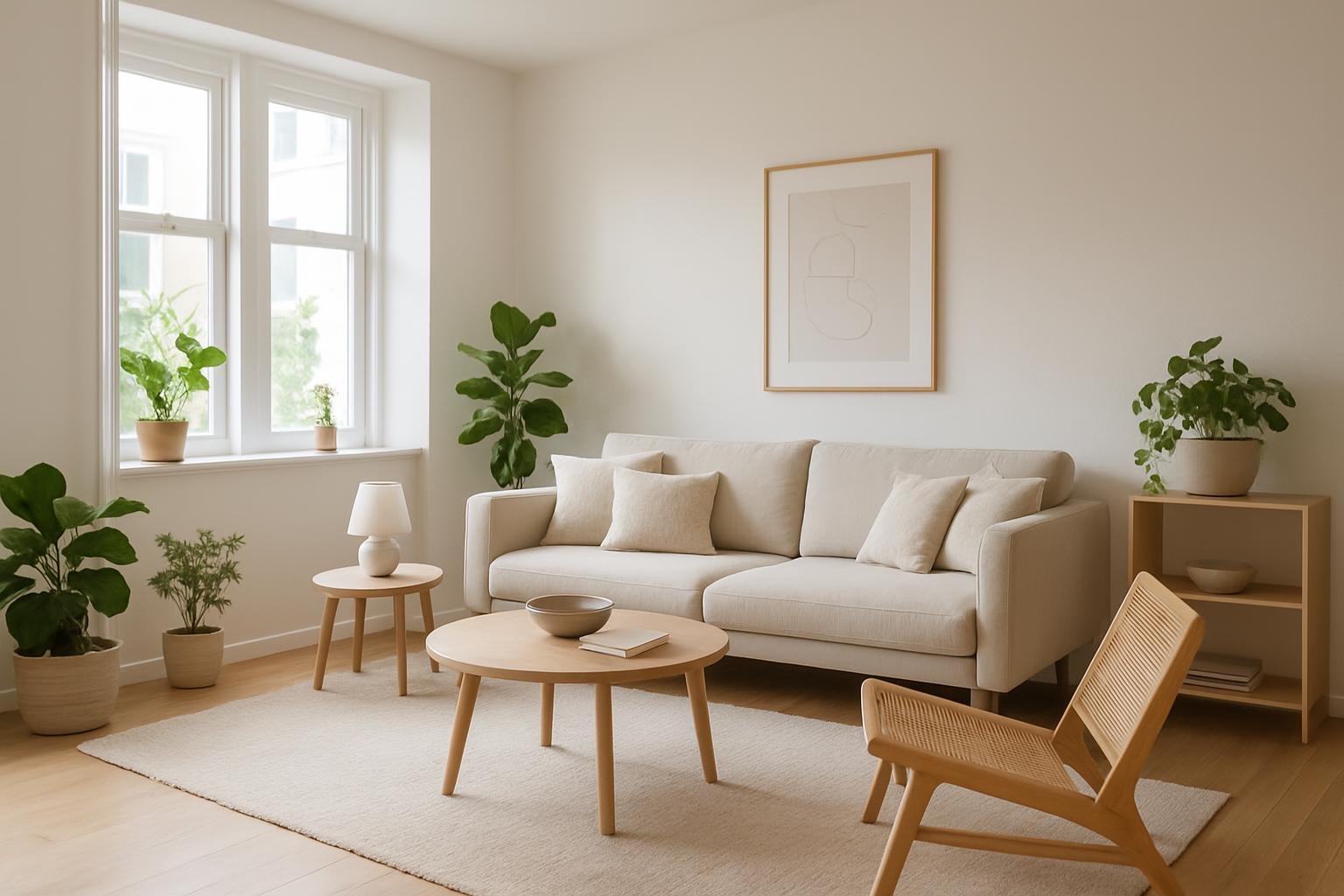
How to Transform Small Spaces into Stylish, Expansive Havens
Living in a small space has become more common, but it doesn’t mean you have to sacrifice style or comfort. In fact, with thoughtful design and savvy decorating, even the tiniest rooms can feel open, inviting, and chic. The challenge is striking a balance between functionality, aesthetics, and the illusion of spaciousness. Here’s a professional insight into turning limited square footage into a stylish sanctuary that feels larger than it is.
Understanding the Psychology of Space
Before diving into tactics, it’s crucial to grasp how we perceive space visually. Clutter blocks lines of sight, dark corners create heavy shadows, and oversized furniture can overwhelm a room. Each of these elements psychologically shrinks a space, no matter its actual dimensions. Conversely, light, open sightlines, and proportional furnishings make rooms feel airy and expansive. Interior design, therefore, is a form of spatial psychology that architects and stylists manipulate deliberately.
Choose a Cohesive Color Palette
Color is the simplest yet most effective tool for enlarging a room’s appearance. Prioritize lighter, neutral tones that reflect natural light. Whites, soft grays, and beiges act as a blank canvas, bouncing light across the room and creating the perception of openness. While bold colors can energize a room, limit them to accent pieces like cushions or artwork to avoid closing in the space.
Maximize Natural and Artificial Lighting
Lighting dramatically alters spatial perception. Natural light is ideal; keep windows unobstructed with sheer curtains or blinds that can be fully drawn. For artificial light, layer your sources: ambient lighting from ceiling fixtures complements task lighting such as table lamps, while accent lights highlight architectural features or art. Mirrors opposite windows amplify daylight and visually double the space, making lighting one of the most vital design investments.
Invest in Multi-Functional and Scaled Furniture
Furniture should fit both the room and the activities performed there. Avoid bulky pieces that consume floor space without purpose. Instead, opt for multi-functional furniture like ottomans with storage or foldaway tables. Leggy sofas and chairs leave visible floor space beneath them, enhancing a sense of openness. Proper scale fosters flow and encourages free movement, essential to making a space feel less cramped.
Minimize Clutter and Maximize Storage
Clutter instantly makes any room feel smaller. Adopt an intentional approach to belongings, choosing items that serve a purpose or bring joy. Built-in shelving and under-bed storage harness unused nooks without encroaching on living areas. Closed cabinets maintain a tidy, streamlined look, while open shelves require careful styling to avoid visual chaos. Minimalism here is less about having fewer possessions and more about organizing intelligently.
Incorporate Vertical Elements
Using vertical space draws eyes upward, expanding the perceived height of a room. Tall bookshelves, floor-to-ceiling curtains, or vertically striped wallpaper guide the gaze beyond the horizontal plane. This tactic not only adds storage but also strengthens design sophistication, lending a tailored and intentional atmosphere to the space.
Use Rugs and Art to Define Areas Within Rooms
In studio apartments or combined living areas, distinguishing functional zones helps organize space visually. Rugs can anchor seating areas or dining nooks, adding texture and warmth. Similarly, artwork placed strategically can segment walls and create focal points, diverting attention from space constraints. Thoughtful zoning prevents a room from feeling like a jumbled box.
Strong Finish: Small but Mighty
Small spaces don’t have to feel confining or bland. With deliberate design choices—from color and lighting to furniture and storage—you can craft a space that feels unexpectedly large yet profoundly stylish. The key is synergy, ensuring each element complements the others to foster an inviting and open environment. Ultimately, transforming small is not about expanding square footage but expanding perception and enhancing quality of life.