
Introduction
Eating healthy is often perceived as expensive and complicated, leaving many feeling overwhelmed or discouraged. However, maintaining a nutritious diet does not require extravagant spending or adherence to complex regimen. With thoughtful strategies, it is entirely possible to enjoy wholesome meals while staying within financial limits. This article explores practical approaches for eating well on a budget, making healthy nutrition accessible and sustainable for anyone.
Focus on Whole, Unprocessed Foods
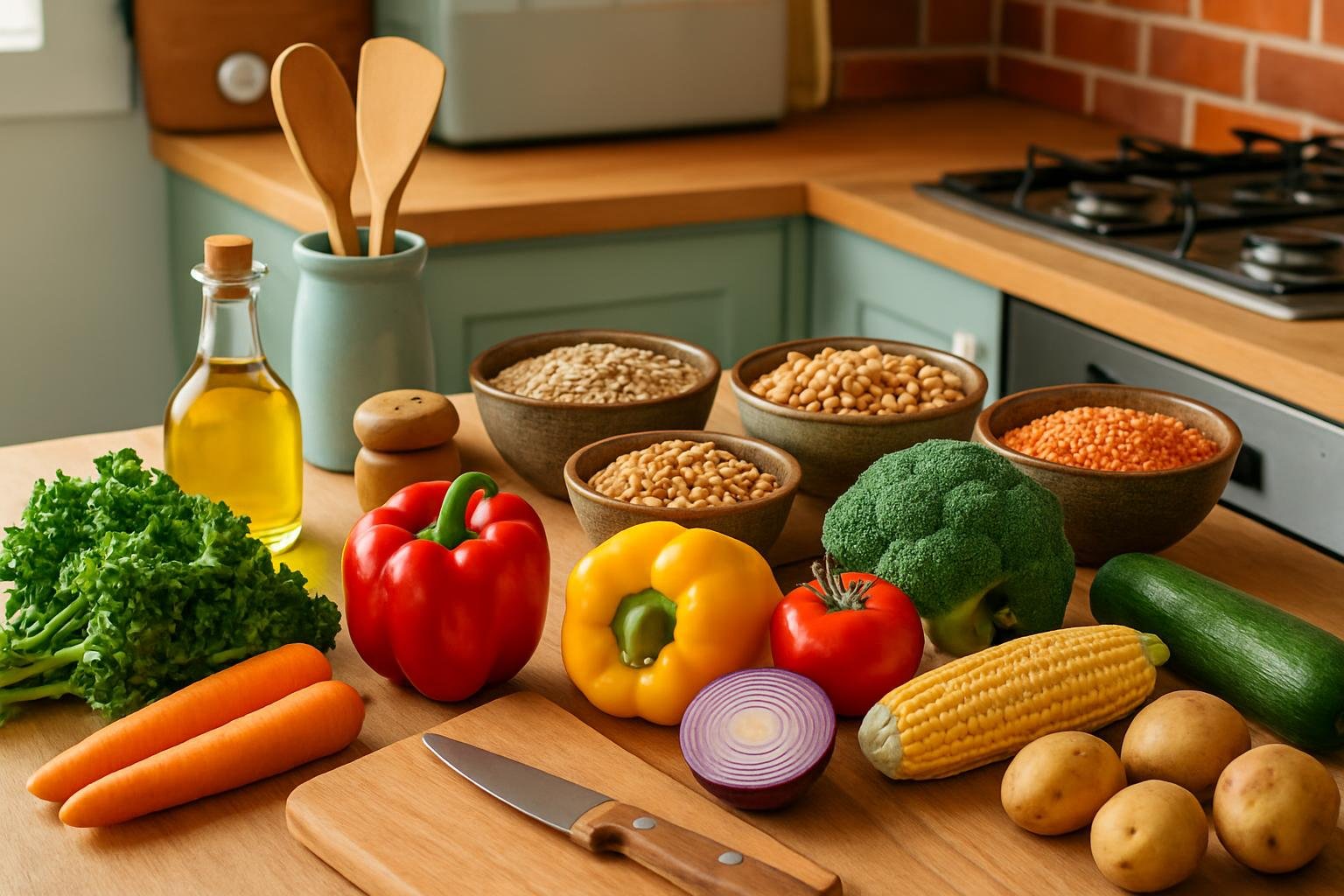
Processed and convenience foods frequently carry a premium price tag and added sugars, salts, and unhealthy fats. Prioritizing whole foods like vegetables, fruits, grains, legumes, and affordable protein sources (such as eggs and beans) can be both nourishing and cost-effective. Whole foods tend to be more filling and nutrient-dense, which supports overall health without breaking the bank.
Plan Meals and Shop Smart
Meal planning is an underrated tool for budget-conscious healthy eating. By creating a weekly plan based on sale items, seasonal produce, and staples you already have, you can reduce food waste and avoid impulse buys. Shopping with a list rooted in planned meals encourages disciplined spending and efficient grocery trips.
Embrace Simple Cooking Techniques
Healthy eating does not require complicated recipes or exotic ingredients. Steaming, roasting, sautéing, and slow cooking can transform basic ingredients into satisfying dishes. Simple seasonings like herbs, spices, and citrus provide flavor without additional cost or calories. Cooking at home also offers control over ingredients, improving both health and cost outcomes.
Buy in Bulk and Choose Seasonal Produce
Purchasing staples like rice, beans, oats, and frozen vegetables in bulk reduces costs per serving and provides convenience. Seasonal fruits and vegetables are not only fresher and tastier but also more affordable due to abundant local supply. Incorporating these items into daily meals maximizes nutritional value while minimizing expense.
Limit Expensive Protein Sources and Explore Plant-Based Options
Protein is essential, but some sources such as red meat and seafood can get expensive. Plant-based proteins like lentils, chickpeas, tofu, and peanut butter offer economical, nutrient-rich alternatives. Incorporating a variety of protein sources broadens nutritional intake and can reduce overall food costs.
Practical Takeaways
- Start small by replacing one processed item with a whole food each week.
- Dedicate time weekly to plan meals and build a shopping list tied to these plans.
- Explore simple recipes relying on minimal ingredients and cooking steps.
- Buy bulk staples and frozen produce to extend use and sidestep spoilage.
- Experiment with affordable plant-based proteins for variety and savings.
Conclusion
Eating healthy on a budget is less about rigid diets and more about informed choices and smart practices. By prioritizing whole foods, planning meals, and embracing simplicity, anyone can build a nutritious, cost-effective diet that fits their lifestyle. Removing the intimidation factor from healthy eating empowers long-term wellbeing without financial strain.