
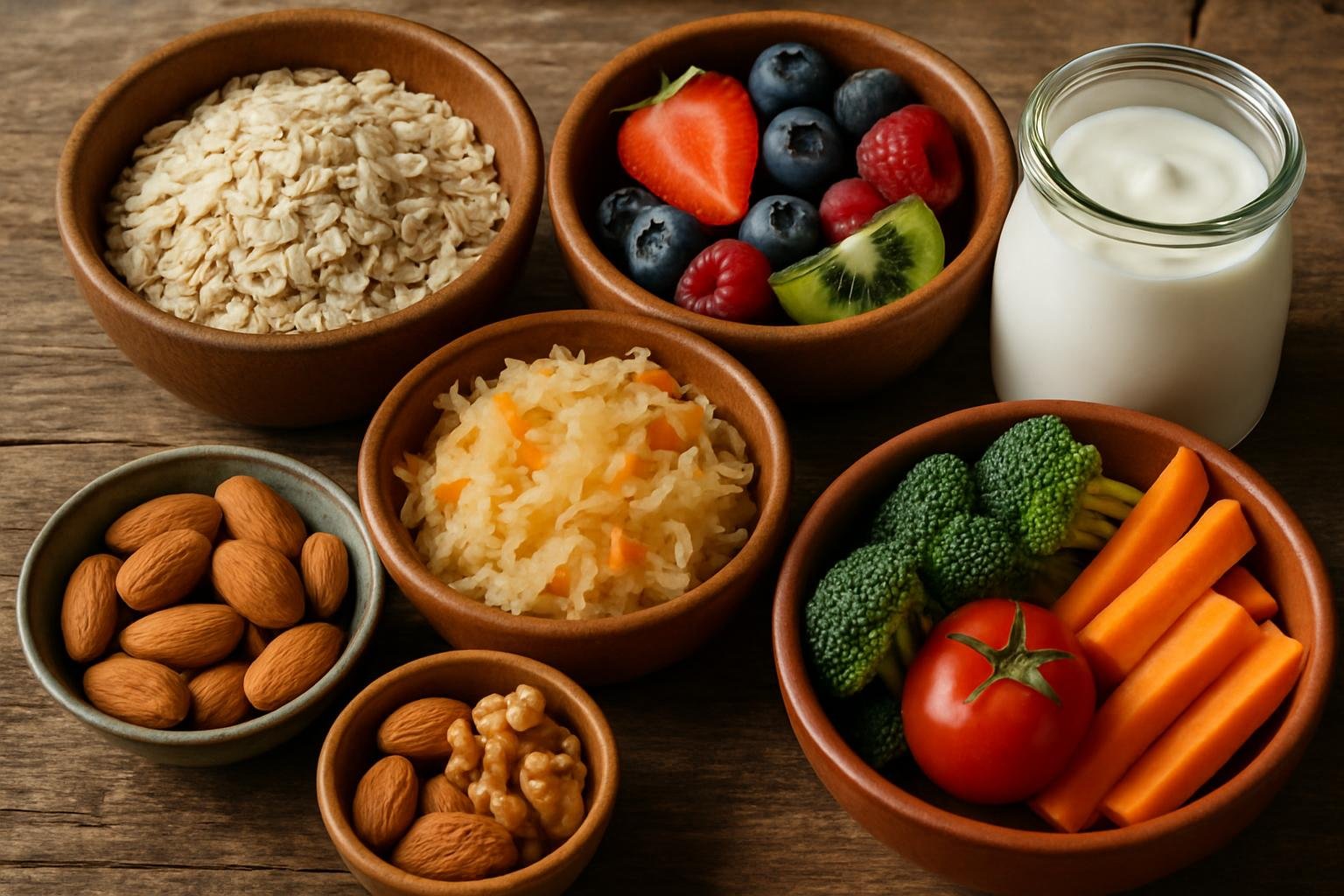
Simple Foods That Naturally Support a Healthy Gut
Gut health has transcended the realm of niche nutrition discourse to become a central consideration for those seeking overall wellness. The key to maintaining a robust digestive system doesn’t necessarily lie in complex supplements or exotic ingredients but rather in the simplicity of common, wholesome foods. This article unpacks how everyday natural foods can bolster your gut’s function and contribute to lasting health.
The Importance of Gut Health
Our gut is a complex ecosystem of trillions of microorganisms, pivotal not only for digestion but also for immunity and even mental well-being. Feeding this microbial community with the right foods fosters balance, which in turn supports efficient digestion, nutrient absorption, and a strengthened immune response. Understanding which foods naturally promote this balance is an invaluable tool in preventive health.
Whole Grains: More Than Just Fiber
Whole grains such as oats, barley, and quinoa serve as excellent sources of dietary fiber and prebiotics—the substances that feed beneficial gut bacteria. Unlike processed grains, their natural fiber content encourages regular bowel movements and helps maintain the integrity of the gut lining. Incorporating whole grains into your meals can subtly but effectively shift your gut microbiome toward a healthier composition.
Fermented Foods: Time-Tested Allies
The inclusion of fermented foods like yogurt, kefir, sauerkraut, and kimchi introduces live probiotics that can colonize and enrich the gut microbial environment. These natural fermentations have been used for centuries to preserve food and enhance digestibility, offering not only microbiological benefits but also unique flavors that diversify our palate.
Fruits and Vegetables: The Natural Powerhouses
A diet rich in diverse fruits and vegetables remains foundational in supporting gut health. These foods provide soluble and insoluble fibers, antioxidants, and polyphenols that contribute to a healthy gut flora. Particularly beneficial are apples for pectin, bananas for resistant starch, and leafy greens for natural alkalinity and micronutrients. Eating a colorful variety ensures a broad spectrum of these nutrients.
Legumes and Nuts: Solid Gut Supporters
Beans, lentils, and nuts offer a dual benefit—they contain fiber that serves as prebiotics, and they supply plant-based protein that supports overall nutrition. Their slow-digesting quality provides a sustained energy source and helps maintain healthy blood sugar levels, indirectly benefiting gut health by reducing inflammatory triggers.
Practical Takeaways for Everyday Living
Adopting gut-friendly foods doesn’t require an overhaul of your diet. Start by substituting refined grains with whole grain alternatives, incorporate a daily serving of fermented foods, and add an extra portion of vegetables or fruit to meals. Moderation and variety are key: a diverse diet nurtures a robust microbiome.
Also, be mindful of overconsuming processed and sugary foods that disrupt gut balance. Staying hydrated and engaging in regular physical activity complement the effect of dietary changes, supporting gut motility and overall digestive health.
Conclusion
The path to a healthier gut is accessible through the simple, natural foods we can find on any grocery list. By focusing on whole grains, fermented products, fresh produce, legumes, and nuts, we provide our gut microbiome with the essential compounds it needs to thrive. This approach, grounded in balance and simplicity, offers more than just digestive relief—it lays the foundation for lasting wellness.
It’s an invitation to rethink what nourishment really means: embracing foods that work harmoniously with our bodies rather than against them.