
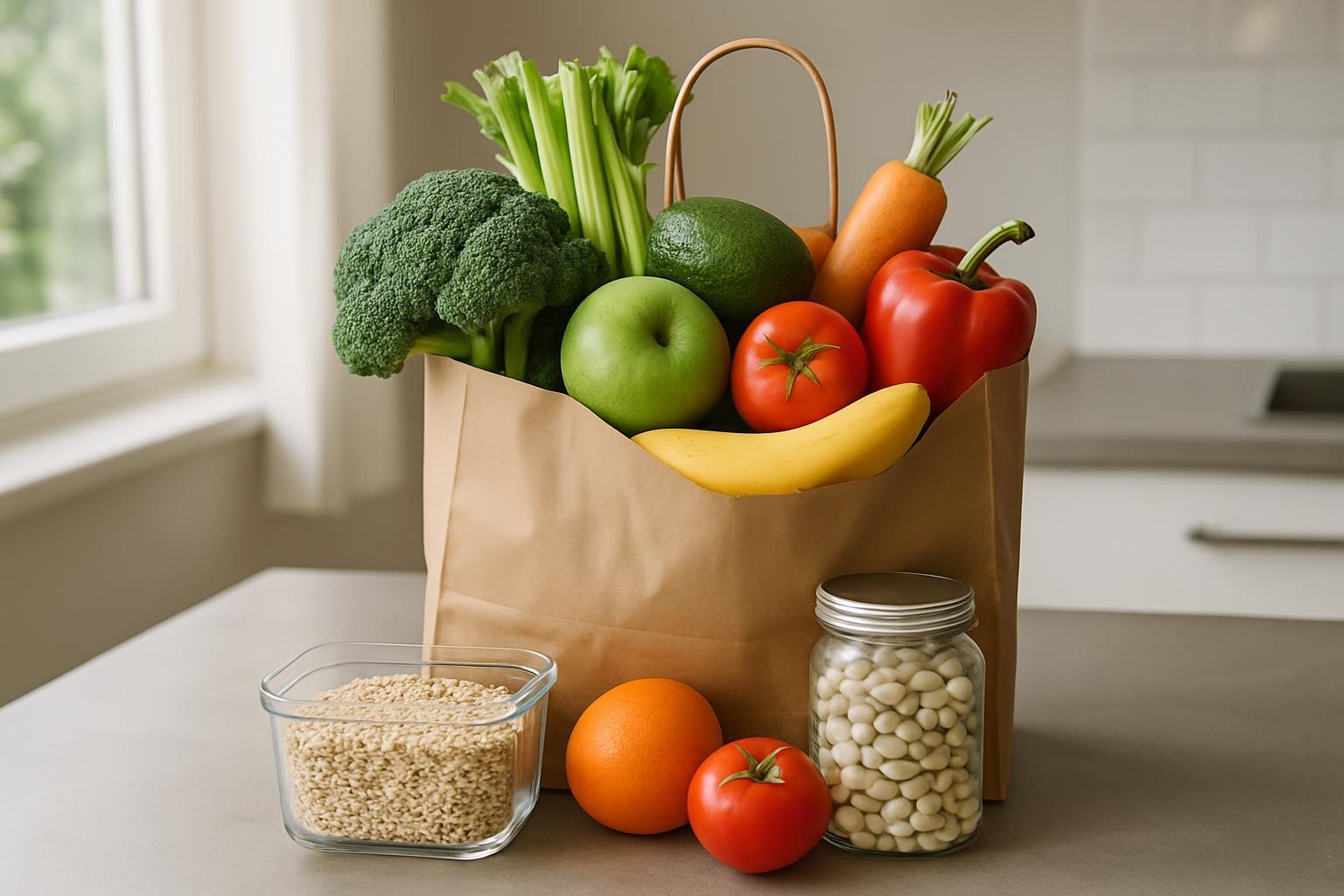
Introduction: The Power of a Thoughtful Grocery List
When it comes to adopting a healthier diet, the grocery list is your first line of defense. Yet, many find themselves overwhelmed by endless aisles and confusing food labels. A simple, well-planned grocery list not only streamlines your shopping experience but also ensures you bring home nutritious essentials that support your wellness goals.
Why Simplifying Your Grocery List Matters
Simplicity in grocery shopping reduces decision fatigue and impulse buys, which often sabotage healthy intentions. It allows you to focus on whole foods and nutrient density rather than processed options. Moreover, a concise list saves time and reduces food waste, creating benefits that extend beyond your plate.
Core Components of a Healthy Grocery List
1. Fresh Vegetables and Fruits
Prioritize seasonal, locally sourced produce where possible. Variety is key to ensure a broad spectrum of vitamins, minerals, and antioxidants. Aim for leafy greens, cruciferous vegetables like broccoli and cauliflower, berries, and citrus fruits, which offer both flavor and health benefits.
2. Whole Grains
Replacing refined grains with whole grains elevates fiber intake and aids digestion. Choose brown rice, quinoa, oats, and whole wheat products to keep your meals satisfying and balanced.
3. Lean Proteins
Protein is vital for muscle repair and satiety. Incorporate a mix of plant-based options like legumes, tofu, and nuts alongside lean animal proteins such as poultry, fish, and eggs. Diversifying protein sources can also improve heart health and reduce environmental impact.
4. Healthy Fats
Contrary to past misconceptions, fats are essential to a balanced diet. Include avocados, nuts, seeds, and olive oil for their heart-healthy monounsaturated and polyunsaturated fats.
5. Dairy or Alternatives
Calcium and vitamin D support bone health. Opt for low-fat dairy or fortified plant-based alternatives like almond or oat milk depending on your dietary preferences and tolerances.
Practical Tips for Building Your List
Start by planning meals for the week to know exactly what ingredients you need. Use apps or a simple notebook to track staples running low to avoid unnecessary purchases. When shopping, stick closely to your list to resist marketing traps that promote less healthy options.
Conclusion: Embrace Simplicity for Sustainable Healthy Eating
A well-curated grocery list is not a restrictive checklist but a strategic tool that supports your health journey. By focusing on whole, nutrient-rich foods and planning pragmatically, you can transform not only your shopping routine but your relationship with food itself. Simple, intentional choices made at the grocery store resonate through every meal, fostering lasting wellness.