
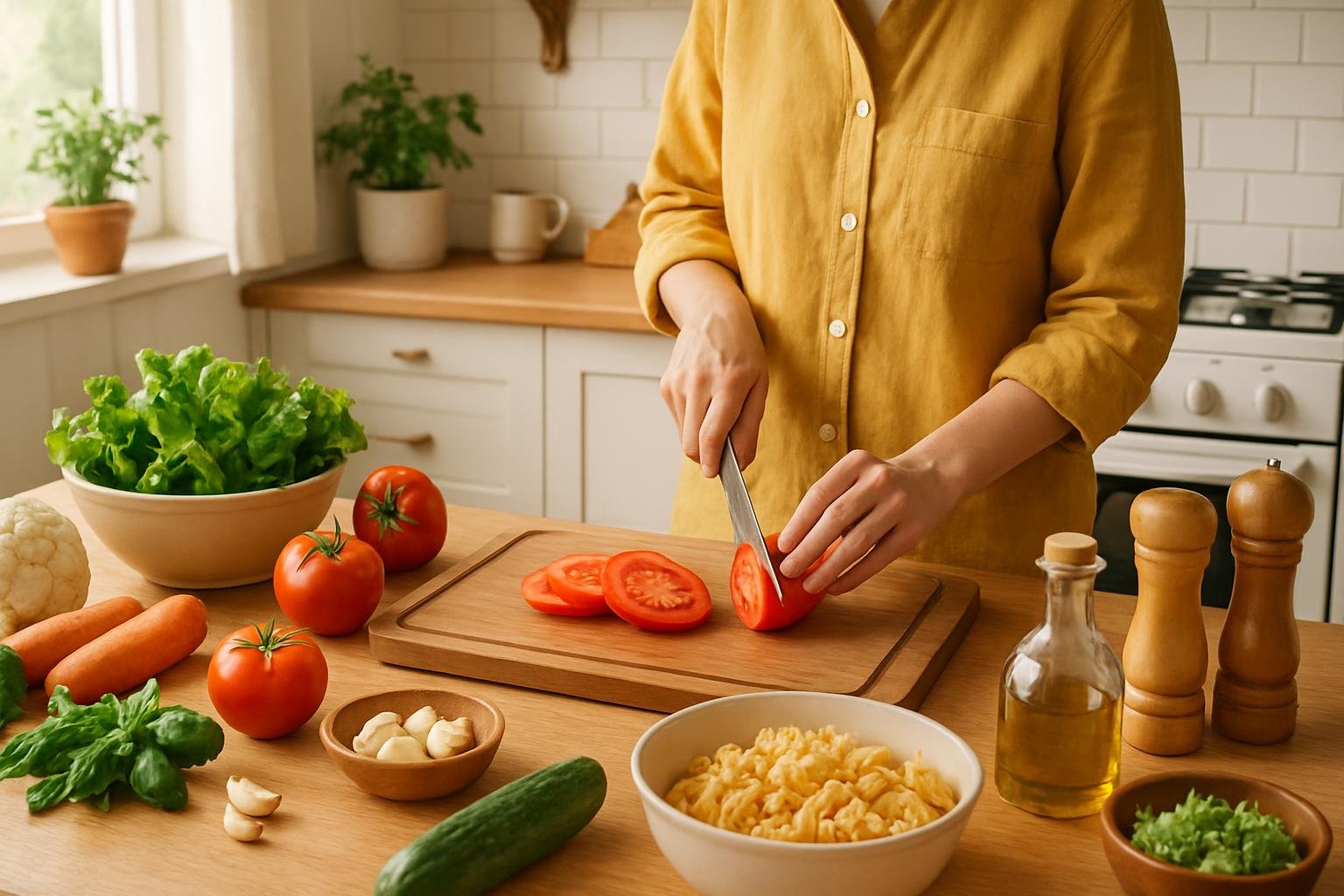
How to Cook More at Home and Spend Less
Cooking at home is one of the most effective ways to improve your diet and save money. Yet the demands of daily life often make dining out or ordering takeout seem like easier options. The reality is that with the right mindset and practical strategies, cooking more at home is both achievable and rewarding. This article explores expert insights and actionable tips on how to increase your home cooking frequency while reducing food costs.
Understand Your Spending Patterns
Before diving into meal prep and grocery runs, take a moment to analyze your current eating and spending habits. Are you frequently buying lunch out during workdays? Ordering delivery after a long day? By identifying where your food dollars go, you can prioritize shifts that offer the greatest financial impact. This awareness is the foundation for smarter meal planning and grocery shopping.
Plan Meals with Purpose
Meal planning is the linchpin to cooking more at home and spending less. Block out time weekly to draft menus balancing your taste preferences, nutritional goals, and time constraints. Use checklists to purchase only necessary ingredients, preventing impulse buys. Planning also helps leverage leftovers efficiently—transforming last night’s dinner into today’s lunch, for example.
Shop Smart and Buy Seasonal
Shopping habits can greatly influence costs. Opt for seasonal produce, which tends to be fresher and less expensive. Visit local markets or farmer stands when possible. Bulk buying staples such as rice, beans, and pasta can reduce unit costs, especially if you have adequate storage. Also, avoid shopping hungry to limit unplanned purchases.
Master Simple and Versatile Recipes
Cooking at home doesn’t require complex techniques or gourmet ingredients. Focus on recipes that are quick, use minimal components, and allow ingredient substitutions. Stir-fries, pasta dishes, and one-pot meals are excellent starting points. Mastering foundational techniques builds confidence and reduces reliance on processed or takeout food.
Batch Cook and Freeze for Convenience
One barrier to cooking more is limited time. A practical approach is batch cooking and freezing meals in portions. This method ensures you always have a homemade option ready, saving both time and money. Soups, stews, casseroles, and even homemade sauces freeze well and can dramatically reduce reliance on last-minute purchases.
Minimize Food Waste
Wasted food equals wasted money. Learn to store perishable items properly and use them before spoilage. Repurpose vegetable scraps for broths and keep track of expiration dates. Investing a little extra effort into waste reduction can translate into meaningful savings over time.
Embrace the Long-Term Benefits
Cooking more at home isn’t just about cutting costs—it’s a lifestyle adjustment that improves your relationship with food, health, and your wallet. With consistent practice, you’ll likely find increased satisfaction in your meals and a better understanding of nutrition. Preparing food at home also supports mindful eating and reduces reliance on unhealthy convenience foods.
Conclusion
Making the shift toward cooking more meals at home and spending less requires intention, planning, and a willingness to adopt new habits. By understanding your spending, planning meals, shopping smart, mastering simple recipes, and minimizing waste, you can enjoy delicious, cost-effective meals every day. This thoughtful approach not only benefits your budget but enriches your well-being in the long run.