
Introduction: The Rising Interest in Gut Health
In recent years, the focus on gut health has shifted from a niche wellness topic to a mainstream conversation. This surge in interest is not merely a health fad but a reflection of evolving scientific understanding and a broader cultural embrace of holistic well-being. Gut health foods—those that support the complex ecosystem residing within our digestive tract—are increasingly recognized as foundational to physical and mental health.
Understanding the Gut Microbiome and Its Influence
The human gut hosts trillions of microorganisms forming the microbiome, a sophisticated community crucial for digestion, immune function, and even mood regulation. Researchers have uncovered that a balanced, diverse gut microbiome correlates with better health outcomes across multiple domains. Consequently, consumers are seeking foods that nourish this internal ecosystem to maintain or restore gut balance.
Why Foods That Promote Gut Health Are Gaining Popularity
Several factors drive the popularity of gut health foods today. First, increased public awareness about the connection between diet and chronic conditions such as inflammatory diseases, obesity, and mental health issues has spotlighted the gut’s role. Second, advances in science have made microbiome research accessible and relevant to everyday choices. Third, the rise of clean eating and natural food movements perfectly complements the concept of nurturing the gut microbiota through whole, minimally processed foods.
Common Categories of Gut Health Foods
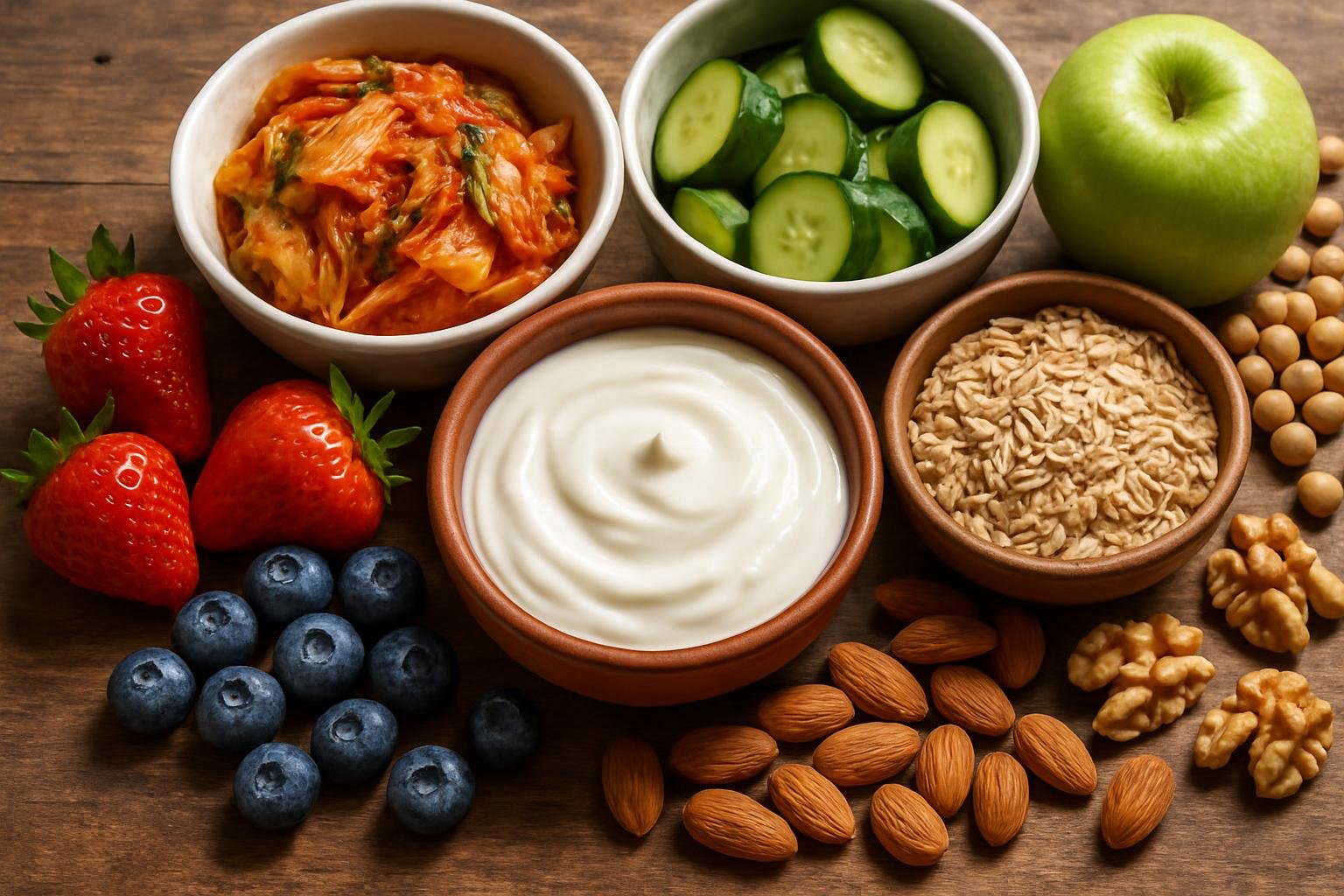
Gut health foods generally fall into two broad categories: probiotics and prebiotics. Probiotics are live beneficial bacteria found in fermented foods like yogurt, kefir, sauerkraut, and kimchi. Prebiotics, on the other hand, are nondigestible fibers found in foods such as garlic, onions, asparagus, and bananas that feed and encourage the growth of good bacteria. Incorporating a blend of both ensures a balanced approach to enhancing gut flora.
Practical Takeaways for Incorporating Gut Health Foods
To truly benefit from gut-friendly foods, it’s important to think beyond isolated products and adopt sustainable dietary habits. Start slowly by introducing fermented foods into meals, diversifying your fiber intake, and reducing ultra-processed foods that may disrupt microbial diversity. Consulting with a nutrition expert can further help tailor choices to individual health needs, optimizing digestive wellness for the long term.
Conclusion: The Enduring Appeal of Gut Health Foods
The popularity of gut health foods reveals a deeper trend toward personalized, science-informed nutrition. As we continue to unravel the complexities of the microbiome, aligning our diets with natural, microbiome-supportive ingredients promises a durable path to improved health and vitality. Their appeal, therefore, transcends hype—rooted instead in a compelling narrative of balance, prevention, and holistic care.