
Understanding the Surge in High-Fiber Meals
In recent years, high-fiber meals have shifted from a niche dietary preference to a mainstream health priority. This change reflects growing awareness about fiber’s critical role in digestive health, blood sugar regulation, and long-term disease prevention. But what exactly is driving this rise, and what should you consider when embracing a fiber-rich diet?
Why Fiber Matters: A Closer Look
Dietary fiber encompasses the parts of plant foods your body can’t digest. Unlike other nutrients, fiber passes relatively intact through your digestive system, offering a suite of health benefits along the way. Soluble fiber can help moderate blood glucose levels and lower cholesterol, while insoluble fiber supports bowel health.
Beyond digestion, research increasingly links good fiber intake to reduced risks of heart disease, certain cancers, and even weight management. Despite these advantages, many diets fall short of recommended fiber targets, making high-fiber meals an attractive and necessary dietary strategy.
The Practical Appeal of High-Fiber Meals
The surge in high-fiber meal popularity isn’t just about health trends—it’s about practicality and taste too. From hearty whole grain bowls and legume-based stews to fiber-packed smoothies and snack bars, these meals fit seamlessly into modern lifestyles. They offer satiety, meaning you feel fuller longer, which can aid in preventing overeating. This effect makes fiber-rich meals a smart choice for anyone looking to maintain or lose weight without sacrificing flavor or satisfaction.
Navigating Fiber Sources: Quality Over Quantity
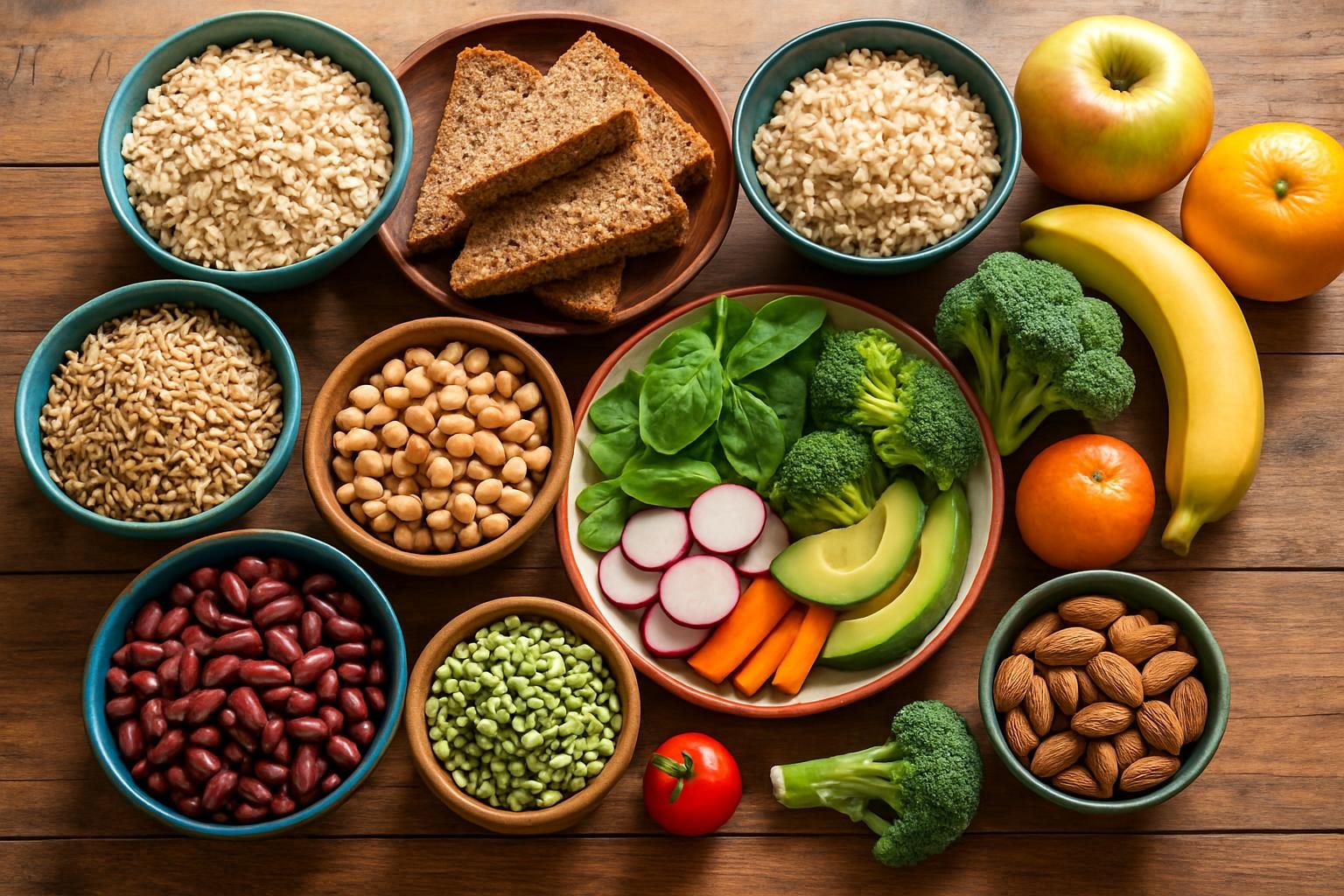
Not all fiber sources deliver identical benefits. Whole, unprocessed foods such as vegetables, fruits, beans, nuts, and whole grains should form the foundation of your fiber intake. While supplements can assist, they are no substitute for the complex nutrients and phytochemicals present in natural foods. Emphasizing diversity in your fiber sources also promotes a more resilient gut microbiome, which is increasingly recognized as a cornerstone of overall health.
Implementing High-Fiber Meals Into Your Daily Routine
Incorporating more fiber doesn’t demand a complete dietary overhaul. Start with simple swaps: choose oatmeal over refined cereal, snack on raw veggies instead of processed chips, or add legumes to salads and soups. Gradually increasing fiber intake also helps minimize potential digestive discomfort, such as bloating or gas.
Cooking methods matter as well. Minimal processing and pairing fiber with adequate hydration ensure optimal benefits. Remember, fiber works best in concert with a balanced diet, regular physical activity, and mindful eating habits.
Conclusion: Embracing Fiber for Sustainable Wellness
The rise of high-fiber meals reflects a deeper understanding of nutrition’s impact on long-term health. By prioritizing a variety of natural fiber-rich foods, you are investing in digestive health, disease prevention, and sustained energy. This trend is more than a fleeting fad—it’s an essential component of modern, mindful eating. The key is accessibility and enjoyment, transforming fiber from a nutritional obligation into a delicious and empowering element of everyday meals.