
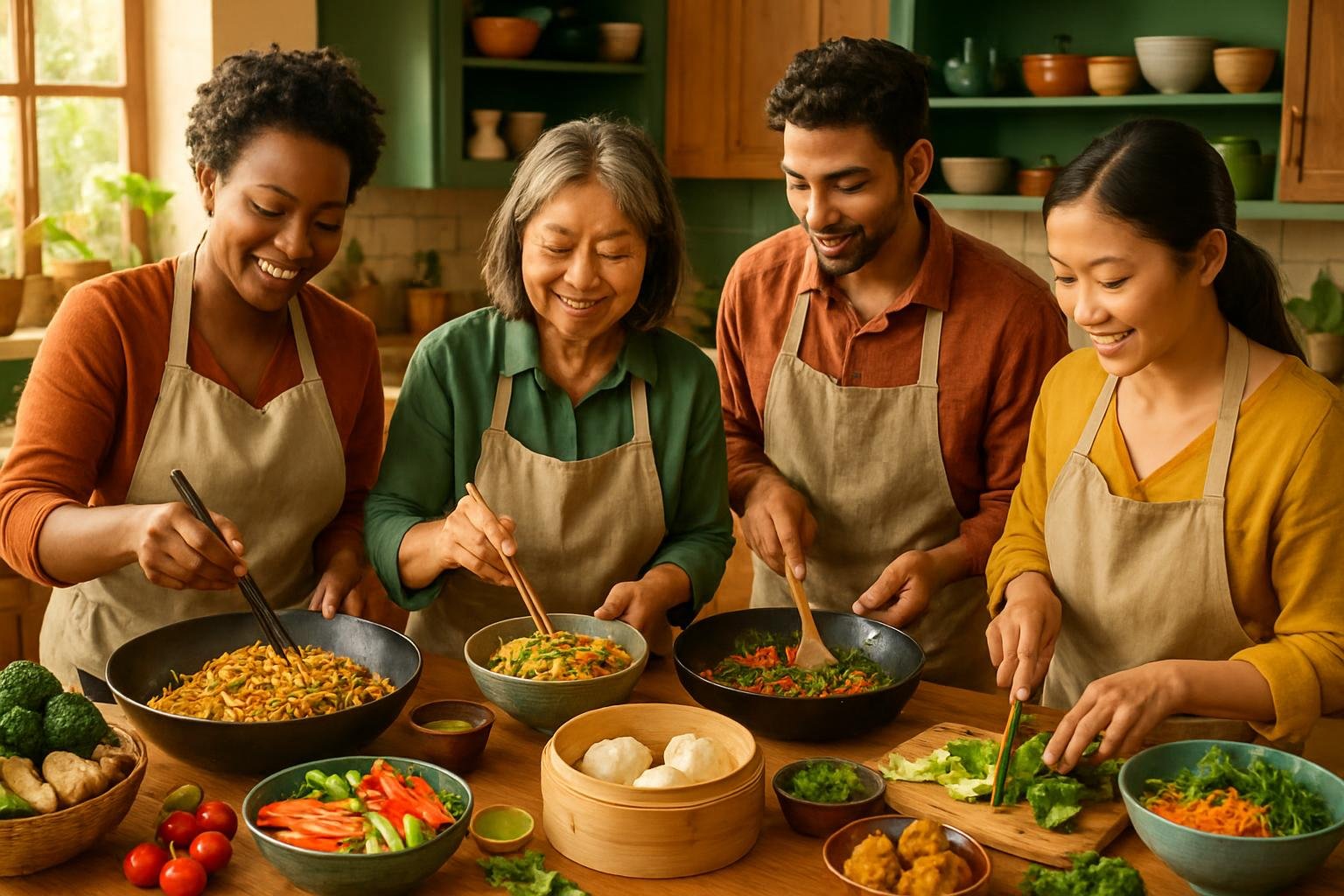
How Asian Food Trends Are Transforming Home Cooking Today
In recent years, Asian food has transcended restaurant menus and fused deeply into the home kitchen landscape. What started as exotic cuisine admired from afar is becoming an accessible, everyday source of culinary inspiration for home cooks worldwide. From bold umami flavors to innovative cooking techniques and an increasing availability of authentic ingredients, Asian food trends are reshaping how people approach cooking at home.
Bold, Balanced Flavors Inviting Experimentation
One key element driving the shift is the embrace of Asian flavor profiles that blend umami, spice, sour, and sweet in harmonious balance. Ingredients like miso, gochujang, tamarind, and yuzu are no longer limited to Asian specialty stores. They’ve entered mainstream supermarkets, inviting more home cooks to experiment with these vibrant tastes that are both familiar yet excitingly new.
This accessibility encourages culinary exploration. Home chefs are learning to temper the heat of chili pastes with citrusy brightness or deepen savory stews using fermented components. The result is more nuanced dishes inspired by Asian traditions but personalized for the modern palate.
Techniques That Elevate Home Cooking Skills
Asian food is renowned for its diverse and precise cooking techniques, many of which are gaining traction in everyday kitchens. Methods such as stir-frying, steaming, and slow braising provide flexible options for creating flavorful, texture-rich dishes with minimal effort.
Take stir-frying, for example: a simple yet skillful technique that maximizes flavor retention and speed. Its rising popularity reflects a desire for quick, healthy meals without sacrificing taste—ideal for busy home cooks. Meanwhile, steaming offers a gentle alternative that preserves nutrients and flavor, aligning with current health-conscious trends.
Ingredient Accessibility Fuels Authenticity at Home
Once a barrier to recreating authentic Asian dishes, ingredient availability is improving markedly. Globalization and e-commerce have brought pantry staples like rice noodles, sesame oil, soy sauce varieties, and fresh produce such as bok choy and daikon radish closer to home cooks everywhere.
This expanded access empowers cooks to make more genuine versions of their favorite dishes rather than simplified approximations. It also enables continuous learning and appreciation of the diverse regional cuisines within Asia—whether it’s the fermented richness of Korean kimchi or the delicate balance of Thai curries.
Health and Sustainability Trends Align with Asian Foods
Asian cuisines often emphasize fresh vegetables, balanced use of proteins, and lighter cooking methods, which align well with contemporary health and sustainability priorities. The concept of sharing small plates, a common practice across many Asian cultures, encourages mindful eating and variety rather than overindulgence.
Additionally, plant-forward dishes from Asian traditions are increasingly appealing. Lentils, tofu, tempeh, and seaweed offer nutritious, sustainable protein alternatives embraced within these cuisines, making Asian food trends a fertile ground for evolving dietary preferences.
Conclusion: Embracing Asian Inspirations to Enrich Home Cooking
The convergence of flavor, technique, ingredient availability, and wellness considerations has made Asian food trends highly influential in home kitchens today. For cooks eager to diversify their repertoire, these trends offer practical inspiration to craft dishes that are flavorful, healthy, and mindful of culinary heritage.
By exploring Asian culinary techniques and ingredients with authenticity and openness, home cooks can enrich their everyday meals—injecting creativity, balance, and global perspective into their cooking that resonates far beyond the dinner table.