
How to Build a Capsule Wardrobe from Scratch
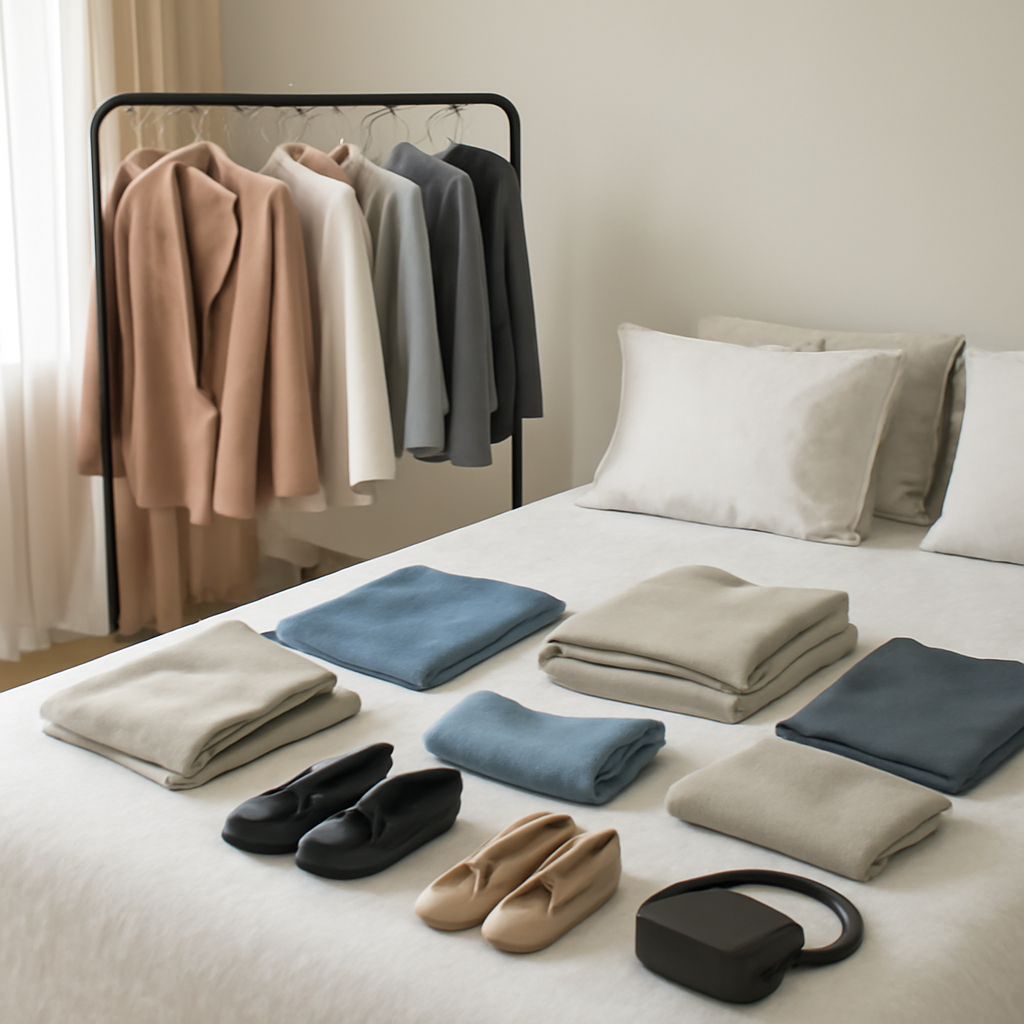
How to Build a Capsule Wardrobe from Scratch
A capsule wardrobe is a small, carefully chosen collection of clothing that works together easily. Instead of a crowded closet full of pieces you rarely wear, you build a set of items you truly like, wear often, and can mix into many outfits. The result is less stress, faster dressing, and better value from everything you own.
If you are starting from zero, the process can feel overwhelming at first. The good news is that building a capsule wardrobe does not require a perfect sense of style or a big budget. It only requires a clear plan, a realistic look at your lifestyle, and a willingness to choose quality over quantity.
Start with Your Real Life
Before buying anything, think about how you spend your week. A good capsule wardrobe should fit your actual routine, not an ideal one. Consider whether you need office clothing, casual weekend outfits, travel pieces, gym wear, or clothes for a warm or cold climate.
Make a quick list of your daily activities and the types of outfits each one requires. Someone who works from home will need a very different wardrobe from someone who commutes to an office every day. This step helps you avoid filling your closet with clothes that look good in theory but never get worn.
Choose a Color Palette
A simple color palette is one of the easiest ways to make clothes work together. Start with a few neutral colors such as black, white, navy, gray, beige, or olive. Then add one to three accent colors that you enjoy wearing and that suit your skin tone.
The goal is coordination. When most of your pieces share the same palette, you can combine tops, bottoms, layers, and shoes without much effort. If you love color, you do not have to avoid it. Just keep the palette focused so your wardrobe stays flexible.
Pick Your Core Categories
Once you know your lifestyle and colors, build around key clothing categories. A practical capsule wardrobe usually includes:
- Tops: basic tees, button-downs, blouses, or knit tops
- Bottoms: jeans, trousers, skirts, or casual pants
- Layers: cardigans, blazers, jackets, or sweaters
- Shoes: one or two everyday pairs plus one dressier option
- Outerwear: a coat or weather-appropriate jacket
- Special pieces: items for work, events, or specific seasons
You do not need the same number of items in every category. The right balance depends on your needs. For example, if you wear jeans almost daily, you may want more bottom options than dresses.
Focus on Fit and Fabric
A smaller wardrobe depends on each piece performing well. That means fit matters more than ever. Clothes that are too tight, too loose, or uncomfortable will sit unworn no matter how stylish they look on the hanger.
Pay attention to fabric too. Natural fibers, structured knits, and durable blends often hold up better than flimsy materials. Choose items that feel good, keep their shape, and can survive repeated wear and washing. A well-made basic in a classic cut will usually serve you longer than a trendy piece you need to replace quickly.
Build It in Stages
You do not have to create the whole wardrobe in one shopping trip. In fact, building it slowly is often the smartest approach. Start by sorting what you already own. Keep the pieces you wear often and that fit your color palette and lifestyle. Set aside items that need tailoring, repair, or replacement.
Then identify the biggest gaps. Maybe you have enough tops but not enough pants. Maybe you need a better jacket, more work shoes, or one reliable dress. Buy only what solves a real problem, and try to choose pieces that work with at least three other items in your wardrobe.
Create Simple Outfit Formulas
Outfit formulas make a capsule wardrobe even more useful. Instead of starting from scratch every morning, you can rely on a few combinations that always work. For example: fitted top + straight-leg jeans + blazer, or knit top + tailored pants + loafers.
Try to build several formulas for different settings, such as casual, polished, and weekend wear. Once you know which combinations feel best, getting dressed becomes much easier. You can also take quick photos of your favorite outfits to use as a reference later.
Avoid Common Mistakes
Many people make a capsule wardrobe too strict or too small. A wardrobe that is overly minimal may not fit your life, especially if you have a varied schedule or live in a place with changing weather. The best capsule wardrobe is not about owning as little as possible. It is about owning the right amount.
Another common mistake is buying pieces that are beautiful but hard to pair. Before purchasing something new, ask whether it works with the items you already own. If the answer is no, it may not be a true capsule piece.
Keep It Flexible Over Time
A capsule wardrobe should evolve with your life. Seasons change, jobs change, sizes change, and personal style changes too. Review your wardrobe a few times a year and adjust it as needed. Replace worn-out basics, remove items that no longer fit your routine, and add pieces only when they serve a clear purpose.
When done well, a capsule wardrobe saves time, reduces clutter, and helps you dress with more confidence. The key is to start with your real needs, keep your palette cohesive, and choose versatile clothes you genuinely enjoy wearing. From there, a smaller closet can still give you more outfit options than you might expect.