
Best Sports Training Tips for Young Athletes
Best Sports Training Tips for Young Athletes
Young athletes do their best when training builds skill, confidence, and healthy habits at the same time. The goal is not just to work harder, but to train smarter. With the right approach, children and teens can improve performance, reduce injury risk, and enjoy their sport for years to come.
Good training for young athletes should match their age, support growth and recovery, and focus on fundamentals before specialization. Whether a child plays soccer, basketball, swimming, tennis, or another sport, these tips can help create a safer and more effective routine.
1. Focus on movement basics first
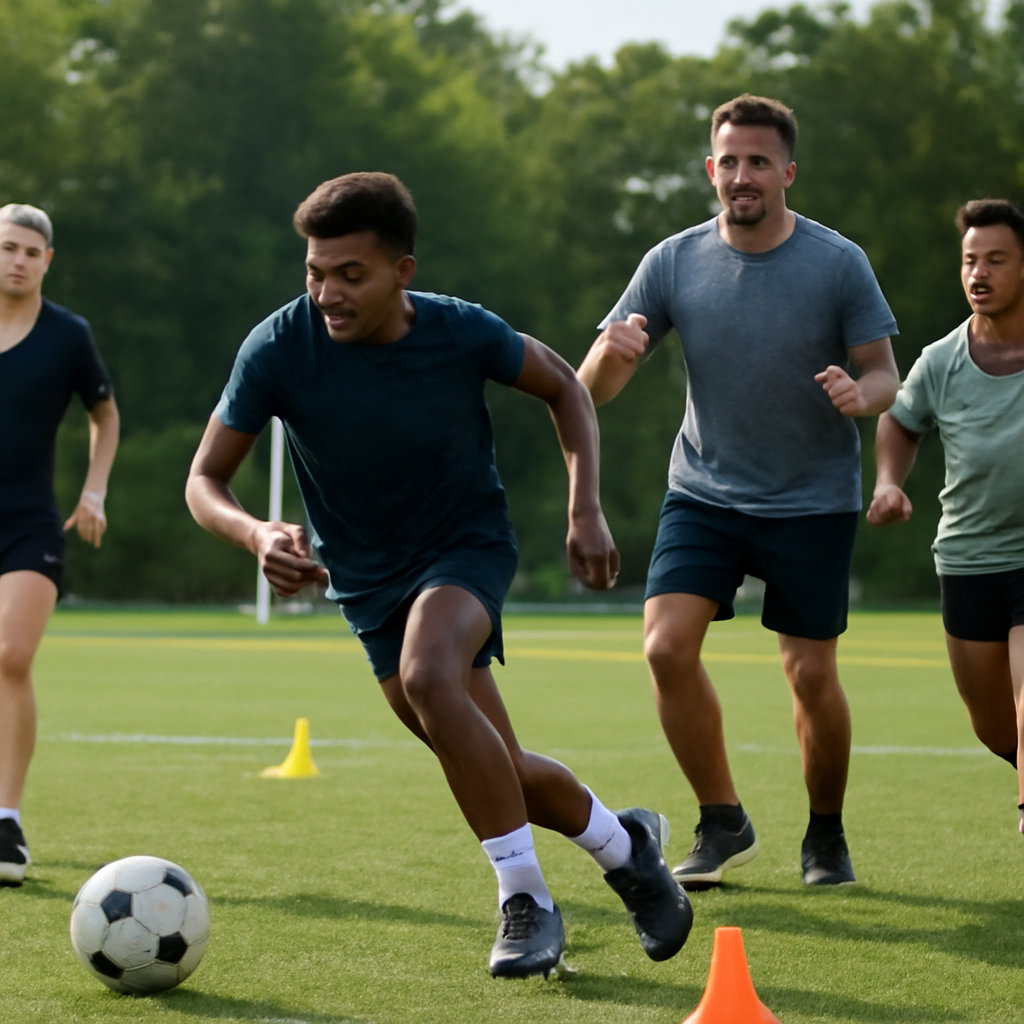
Before worrying about advanced techniques, young athletes need strong movement skills. Running, jumping, landing, balancing, changing direction, and throwing or catching are the foundation of nearly every sport. Better movement means better control, faster learning, and fewer injuries.
Coaches and parents should look for simple drills that improve body awareness and coordination. For younger children especially, training should feel like skill-building play rather than strict repetition. The more confident an athlete feels in movement, the easier it becomes to learn sport-specific skills later.
2. Use age-appropriate training loads
Young bodies are still growing, so training volume and intensity should be adjusted carefully. Too much too soon can lead to burnout, fatigue, and overuse injuries. A smart program increases effort gradually and includes enough time for rest.
- Keep practices structured but not overly long.
- Limit high-intensity sessions on consecutive days.
- Rotate drills to avoid repetitive strain.
- Watch for signs of exhaustion, pain, or loss of motivation.
A helpful rule is to increase training slowly over time instead of making large jumps in workload. Consistency matters more than extreme workouts.
3. Build strength safely
Strength training can be beneficial for young athletes when it is supervised and properly designed. It does not mean lifting heavy weights as soon as possible. Instead, it should begin with bodyweight exercises, resistance bands, medicine balls, or light equipment focused on technique.
Exercises like squats, lunges, push-ups, planks, and glute bridges can improve control and stability. Stronger muscles help support joints, improve power, and protect against injury. The key is form. Quality always matters more than quantity.
4. Don’t skip warm-ups and mobility work
A proper warm-up prepares the body for practice and competition. It increases blood flow, activates muscles, and improves reaction time. Dynamic movements are especially useful because they mimic sport actions more closely than static stretching alone.
A good warm-up may include light jogging, skipping, arm circles, leg swings, and sport-specific drills. After training, gentle stretching and mobility work can help athletes recover and maintain flexibility.
5. Prioritize rest and recovery
Recovery is just as important as training. Young athletes need sleep, nutrition, hydration, and downtime to adapt to practice and games. Without recovery, performance drops and injury risk rises.
- Aim for regular, age-appropriate sleep schedules.
- Drink water before, during, and after activity.
- Eat balanced meals with protein, carbohydrates, fruits, and vegetables.
- Schedule at least some free time away from sport.
Rest days are not a sign of weakness. They are part of getting stronger and staying healthy.
6. Encourage multi-sport participation
Specializing in one sport too early can increase overuse injuries and reduce overall athletic development. Playing multiple sports helps young athletes develop different movement patterns, stay mentally fresh, and build broader skills.
For many children, the best long-term path is a balance of structured practice and varied activity. Even if an athlete has a favorite sport, cross-training through other sports or active play can support performance.
7. Keep the focus on confidence and enjoyment
Young athletes improve faster when they feel supported. Positive coaching, realistic goals, and encouragement after mistakes help build resilience. Training should challenge athletes, but it should also keep the sport enjoyable.
Parents and coaches can help by praising effort, progress, and good habits rather than only results. Confidence grows when young athletes learn that mistakes are part of improvement.
8. Watch for warning signs
Sometimes young athletes push through discomfort when they should stop. Pain that lasts, recurring soreness in the same area, major fatigue, sleep problems, or a sudden drop in performance can signal that something is wrong. Early attention to these signs can prevent more serious problems.
If pain changes how an athlete moves or continues beyond normal soreness, it is wise to consult a qualified healthcare professional or sports specialist.
Train for the long game
The best sports training tips for young athletes are the ones that support lifelong health, not just short-term wins. Build movement quality, use age-appropriate workouts, strengthen safely, and make recovery a priority. Most importantly, keep the experience positive. When young athletes develop good habits early, they are more likely to stay active, confident, and successful as they grow.