
Introduction: Why Your Night Routine Matters
In our fast-paced world, sleep often becomes a casualty of endless to-do lists and digital distractions. Yet, the foundation of our daily vitality lies in the quality of rest we achieve each night. A well-constructed night routine is not merely about going to bed earlier; it is an intentional sequence of habits designed to prepare your mind and body for deep, restorative sleep and, subsequently, vibrant energy the next day.
Understanding the Science Behind Sleep and Energy
Sleep is a complex biological process regulated by our circadian rhythms—the internal clock responding primarily to light and darkness. Disruptions to this rhythm, whether through erratic bedtimes or blue-light exposure, can decrease sleep quality and impair daytime alertness. To optimize your sleep, your evening habits must align with the body’s natural cues for winding down.
Curating Your Ideal Night Routine
While sleep needs vary individually, key elements consistently contribute to improved rest and energy:
- Consistent Sleep Schedule: Going to bed and waking up at the same time daily stabilizes your circadian rhythm and enhances sleep depth.
- Screen-Free Wind-Down Period: Avoiding electronic devices at least 30-60 minutes before bed minimizes blue light exposure that inhibits melatonin production.
- Relaxing Activities: Engage in calming practices such as reading, gentle stretching, or meditation to ease mental tension.
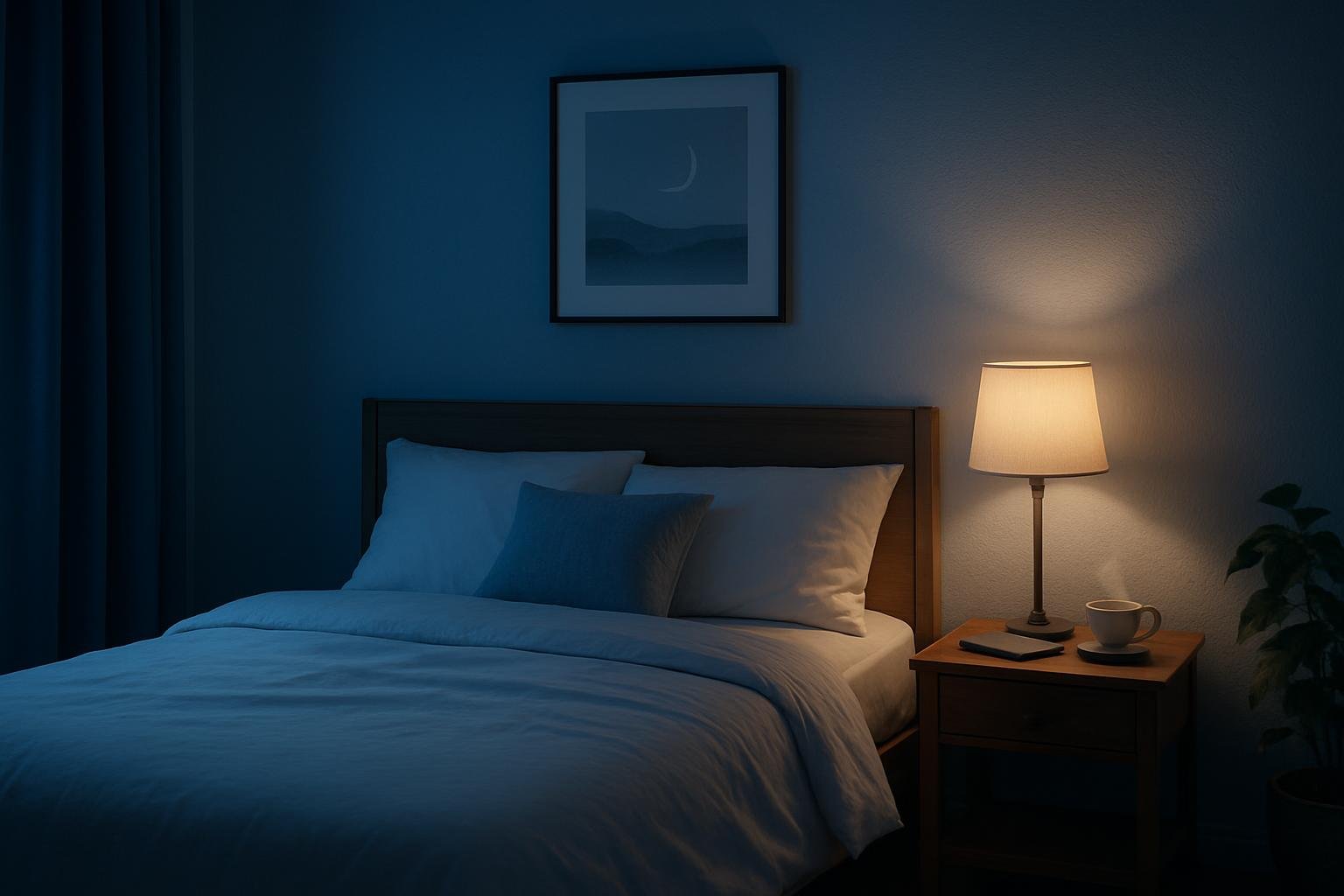
- Optimal Sleep Environment: Ensure your bedroom is cool, dark, and quiet. Consider blackout curtains and white noise machines if necessary.
- Mindful Nutrition and Hydration: Limit caffeine and heavy meals late in the day; hydrate earlier to avoid nighttime awakenings.
Practical Steps to Get Started Tonight
1. Set an Alarm for Your Wind-Down: Treat your pre-bedtime routine like an appointment you cannot miss. When you hear that alarm, dim lights and disengage from stimulating activities.
2. Prepare Your Bedroom: Adjust room temperature to between 60-67°F (15-19°C), and remove clutter to create a sense of calm.
3. Create a Relaxation Ritual: Whether it’s journaling your thoughts, deep breathing exercises, or sipping herbal tea, find what calms your mind effectively.
4. Limit Fluid Intake: Avoid excessive liquids within 1-2 hours of bedtime to minimize bathroom trips disrupting your sleep cycle.
Monitoring and Adjusting Your Routine
As you implement your night routine, track your sleep quality and daytime energy levels with a journal or sleep app. Notice patterns and adjust elements as needed—perhaps you may find reading a physical book more relaxing than meditation, or an earlier start to your wind-down period improves results.
Conclusion: The Lasting Impact of a Thoughtful Night Routine
In essence, designing a night routine tailored to your lifestyle cultivates not only better sleep but a ripple effect of heightened energy, improved focus, and emotional balance during waking hours. It’s an act of self-respect and a strategic investment in your wellbeing. Begin with small, purposeful changes tonight, and watch how your days brighten as your nights deepen.