
Top Energizing Foods That Sustain Your Vitality All Day
Top Energizing Foods That Sustain Your Vitality All Day
Energy is the currency of productivity, creativity, and well-being. How we fuel our bodies profoundly influences how we feel and perform from the moment we wake up until we retire for the night. While caffeine can offer a temporary lift, the foundation of sustained energy lies in the foods we choose to eat. Navigating the crowded marketplace of health advice can be challenging, so it’s essential to distill what really works at a physiological level and how you can integrate those foods into your daily routine.
Why Food Choices Matter for Energy
Energy is produced when your body converts carbohydrates, proteins, and fats into fuel through metabolic processes. The quality and composition of these macronutrients, along with micronutrients, determine whether this energy is released rapidly or steadily over time. Simple sugars might spike blood sugar, offering a quick jolt but followed by fatigue, while complex carbohydrates and balanced nutrients provide a measured supply that avoids energy crashes.
Complex Carbohydrates: The Backbone of Steady Energy
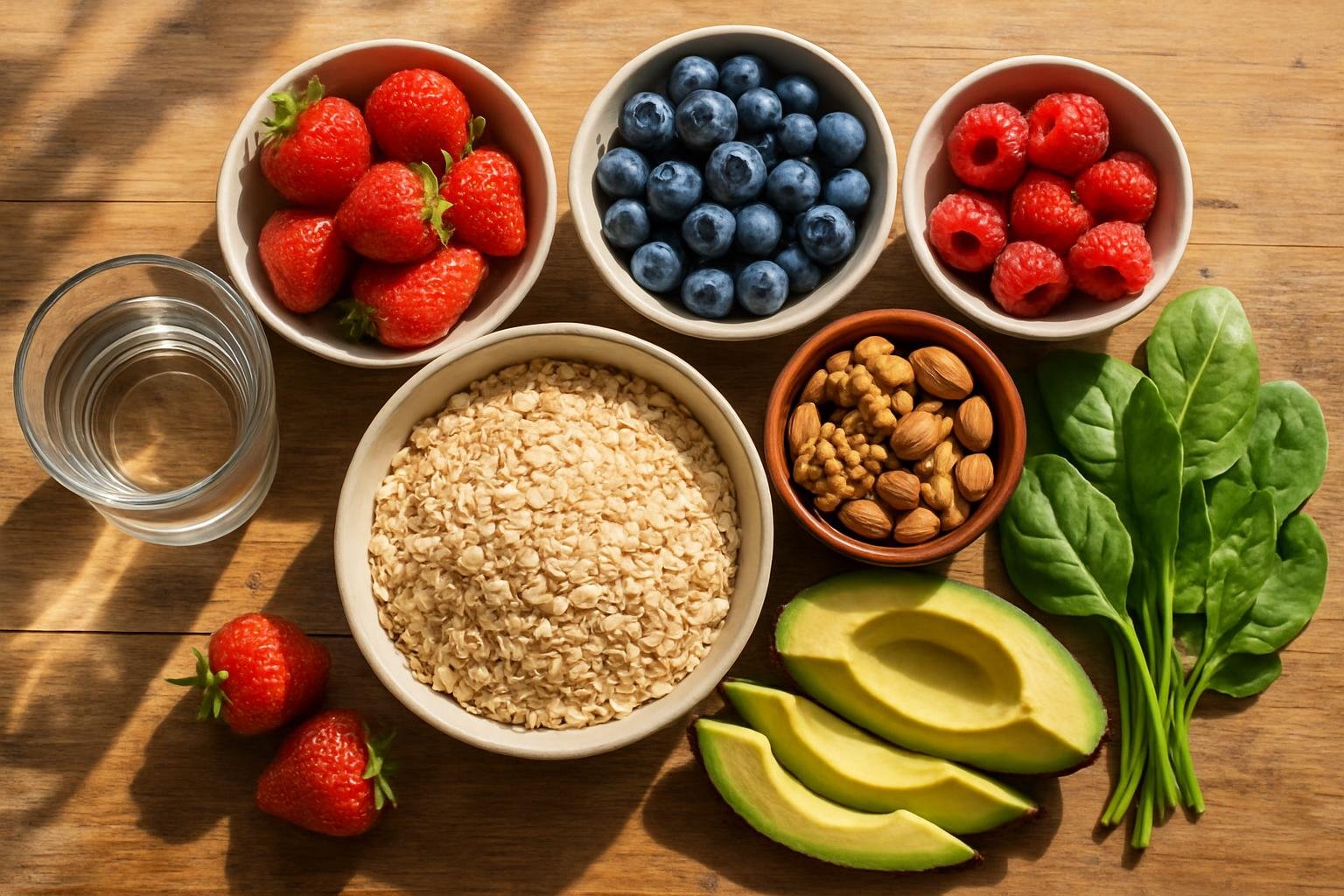
Complex carbohydrates found in whole grains like oats, quinoa, and brown rice digest slowly, leading to steady blood sugar levels and prolonged energy. Unlike refined grains, these foods retain fiber, which not only stabilizes glucose absorption but also supports digestive health. Incorporating whole grains into meals ensures that energy remains balanced and available throughout the day.
Protein: The Unsung Energy Stabilizer
Protein doesn’t just build muscle—it also plays a pivotal role in maintaining steady energy. Foods such as eggs, lean meats, legumes, and dairy provide amino acids that support neurotransmitter production, influencing alertness and mood. Protein slows carbohydrate absorption, preventing blood sugar spikes and dips. Strategic inclusion of protein in meals, especially breakfast and snacks, can sustain energy and improve focus.
Healthy Fats: Long-Lasting Fuel for the Brain and Body
Often misunderstood, fats are vital for sustained energy. Omega-3 and monounsaturated fats found in foods like avocados, nuts, seeds, and olive oil nourish brain function and support hormone balance. These fats digest slowly, providing a slow-burning fuel that keeps you satiated and energized over long periods. Avoid trans fats and overly processed options that can impair energy and health.
Micronutrients That Enhance Energy Production
Beyond macronutrients, vitamins and minerals are essential for optimal energy metabolism. Iron supports oxygen transport in the blood, while magnesium is involved in cellular energy production. Leafy greens, nuts, seeds, and lean meats are excellent sources of these micronutrients. A deficiency in any can lead to fatigue, underscoring the importance of diverse and nutrient-dense foods.
Hydration and Its Role in Energy
Never underestimate water’s role in maintaining energy levels. Even mild dehydration can sap concentration and vitality. Regular fluid intake alongside energizing foods enhances digestion, nutrient absorption, and cognitive function.
Practical Tips for Daily Energy Nutrition
- Start with a Balanced Breakfast: Combine complex carbs, protein, and healthy fats to set the tone for steady energy.
- Snack Smart: Opt for nuts, seeds, or fruit paired with protein to avoid sugar crashes.
- Include Variety: Rotate different sources of proteins, grains, and fats to cover a broad nutrient spectrum.
- Watch Portion Sizes: Overeating can cause sluggishness—moderation sustains energy without overload.
- Limit Processed Sugars and Empty Calories: They provide fleeting energy spikes that undermine endurance.
- Stay Hydrated: Pair meals with water and consider herbal teas for added hydration without stimulants.
Conclusion: Nourish Your Energy for the Long Haul
Fueling your body thoughtfully with energizing foods is an investment in consistent vitality. Prioritizing complex carbohydrates, quality proteins, healthy fats, and micronutrient-rich foods creates a stable energy foundation. Coupled with mindful hydration and attention to portion control, these practices transform eating from a routine task into a strategic tool for performance and wellbeing. Sustainable energy is not about quick fixes but about creating lasting dietary habits that respect your body’s needs throughout the day.