
Foods That Naturally Boost Heart Health: An Expert’s Perspective
The heart, a resilient organ tirelessly working to sustain life, demands more than just medical intervention for optimal function. Nutrition plays a pivotal role in cardiovascular health, and adopting a diet rich in natural, heart-friendly foods can be a foundational step toward long-term wellbeing. This article delves into the science-backed foods that support heart health and offers practical guidance on integrating them into everyday meals.
Why Heart Health Demands Focused Nutrition
Cardiovascular diseases remain a leading cause of mortality worldwide. While genetics and lifestyle factors like exercise and smoking influence heart health, the impact of diet is profound and modifiable. Certain foods carry nutrients that influence blood pressure, cholesterol levels, inflammation, and arterial function—key elements in maintaining a healthy cardiovascular system.
Top Heart-Healthy Foods and Their Benefits
Fatty Fish Rich in Omega-3 Fatty Acids
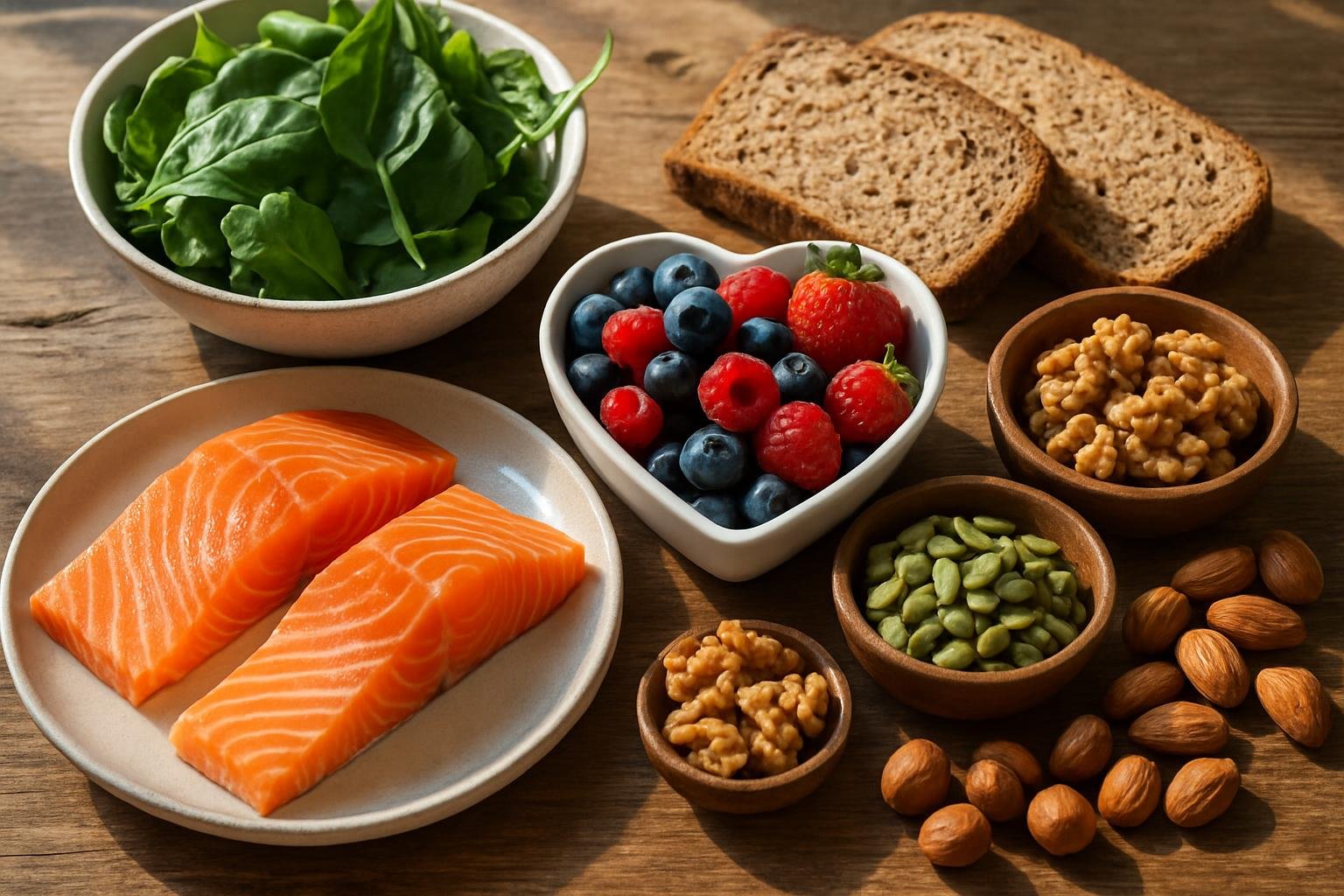
Fatty fish such as salmon, mackerel, and sardines are rich sources of omega-3 fatty acids EPA and DHA. These compounds are known to reduce triglyceride levels, decrease inflammation, and may lower the risk of arrhythmias. Including fatty fish in your diet twice a week aligns with heart health recommendations and supports vascular function.
Whole Grains for Cholesterol Control
Whole grains like oats, quinoa, and brown rice provide soluble fiber, which binds cholesterol in the digestive system and helps reduce LDL (bad cholesterol). Additionally, they stabilize blood sugar and provide sustained energy, creating a balanced foundation for heart health.
Nuts and Seeds: Nutrient-Dense Powerhouses
Almonds, walnuts, flaxseeds, and chia seeds are rich in unsaturated fats, fiber, and plant sterols, all known to enhance arterial health by lowering LDL cholesterol and supporting endothelial function. Despite being calorie-dense, moderate nut consumption correlates with reduced cardiovascular risk.
Leafy Greens and Colorful Vegetables
Spinach, kale, and broccoli provide a mix of antioxidants, vitamins, and minerals like potassium and magnesium that regulate blood pressure and combat oxidative stress. These vegetables also contribute nitrates, which help improve arterial dilation and blood flow.
Fruits High in Fiber and Antioxidants
Berries, oranges, and apples contain polyphenols and soluble fiber that have anti-inflammatory effects and promote healthy lipid profiles. Their natural sweetness also offers a nutrient-rich alternative to processed sugars.
Applying Knowledge: Practical Tips for Incorporation
Transitioning to a heart-healthy diet doesn’t require drastic measures. Start by swapping refined grains for whole grains in daily meals and adding a handful of nuts or seeds as snacks. Aim to incorporate at least one serving of fatty fish each week and fill half your plate with colorful vegetables during dinner. Experiment with fruit-based desserts to satisfy sweet cravings naturally.
Mindful cooking techniques such as steaming, grilling, or sautéing with heart-healthy oils like olive oil help preserve nutrient quality. Avoid excessive salt and processed foods, which undermine cardiovascular benefits.
Conclusion: Nourishing the Heart Through Food
Heart health is a multifaceted endeavor, yet diet stands as an accessible and impactful pillar. Emphasizing natural foods rich in omega-3 fatty acids, fiber, antioxidants, and essential minerals can fortify cardiovascular resilience. By thoughtfully integrating these foods, individuals empower themselves to reduce risk factors and promote holistic health. Ultimately, a sustained commitment to nutritious choices translates into a stronger heart and a longer, vibrant life.