
Transform Your Living Space: Expert Tips for Creating a Healthier Home Environment
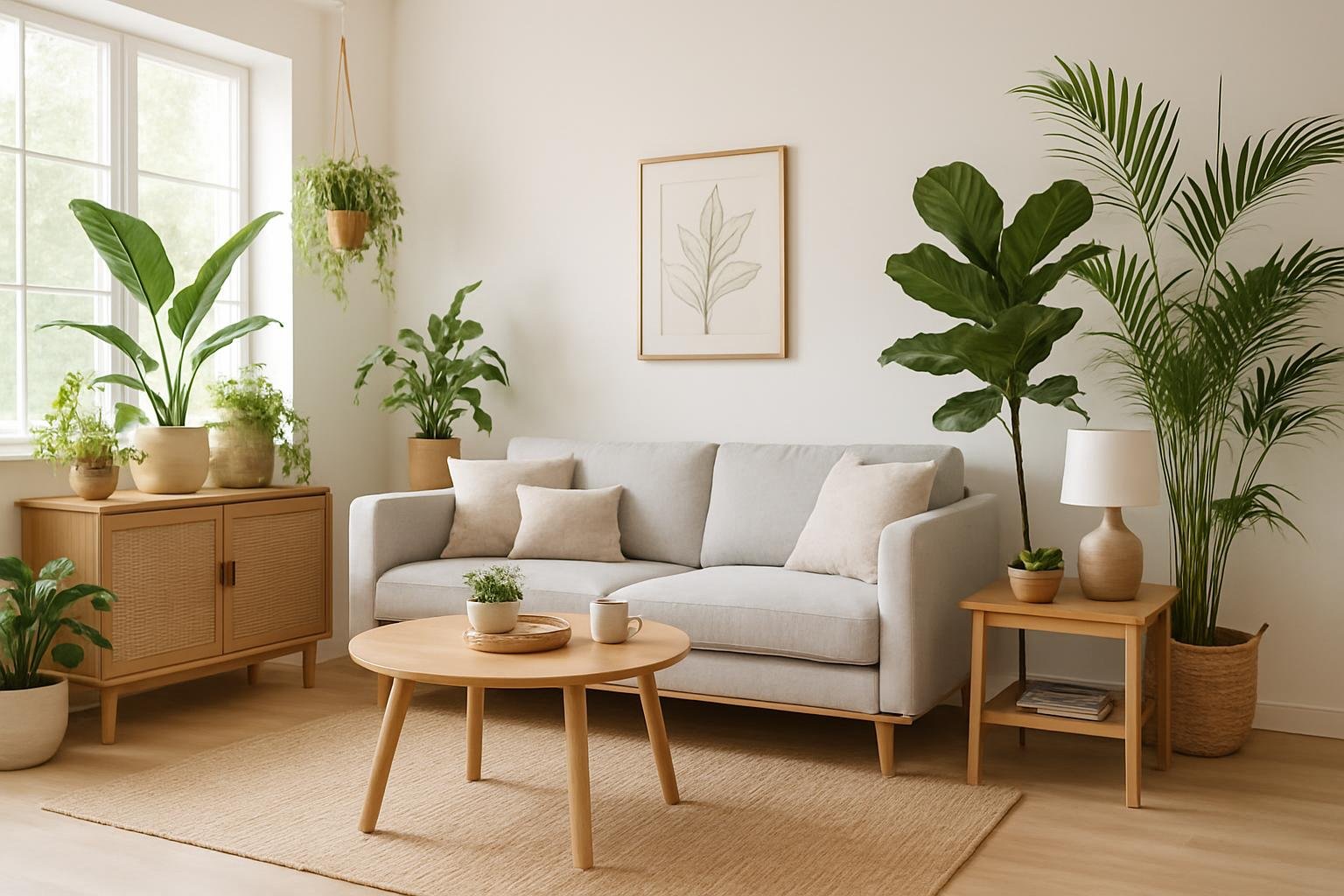
Transform Your Living Space: Expert Tips for Creating a Healthier Home Environment
In today’s fast-paced world, our homes must evolve from mere shelters into intentional sanctuaries that support our physical and mental wellbeing. The concept of home wellness goes beyond aesthetics; it’s about crafting spaces that promote health, comfort, and balance. As an expert analyst observing lifestyle trends, I present a curated approach to optimizing the wellness quotient of your living environment.
Start with Air Quality: The Foundation of Healthy Living
Clean, breathable air is indispensable for a healthy home. Whether due to urban pollution or indoor pollutants such as volatile organic compounds (VOCs), poor air quality undermines our wellbeing more than we often realize. Investing in air purifiers fitted with HEPA filters can make a tangible difference. Moreover, simple habits like regularly opening windows and incorporating houseplants known for air purification—such as spider plants and peace lilies—further enhance indoor air quality naturally.
Embrace Natural Light and Mindful Lighting Design
Exposure to natural light influences mood, circadian rhythms, and overall vitality. Strategically positioning furniture near windows and using sheer curtains can maximize sunlight without sacrificing privacy. In areas lacking natural light, opting for full-spectrum LED bulbs that mimic daylight helps maintain energy levels and focus. Dimmer switches provide flexibility, allowing residents to adjust lighting according to activity and time of day, fostering an environment attuned to human biology.
Incorporate Natural Materials and Textures
The materials used in home furnishings and finishes play an integral role in wellness. Natural woods, stone, bamboo, and organic textiles introduce tactile warmth and reduce chemical exposure. Avoiding synthetic finishes laden with harmful chemicals benefits both physical health and environmental sustainability. Additionally, these materials connect occupants to nature—a principle increasingly valued in wellness-centric design known as biophilia.
Create Zones for Relaxation and Mindfulness
A home designed for wellness includes spaces dedicated solely to relaxation and mental clarity. Even compact homes can benefit from a small meditation nook, reading corner, or yoga area that invites pause and presence. Incorporating calming colors—soft blues, greens, and neutrals—and decluttering these zones creates an atmosphere conducive to stress reduction and mindfulness practices.
Enhance Functionality with Thoughtful Organization
Wellness is supported when daily routines flow smoothly without friction. Adequate storage solutions and intentional organization prevent clutter, which psychological research consistently links to increased anxiety and distraction. Emphasizing multi-purpose furniture and clearly defined spaces streamlines activities and optimizes comfort.
Prioritize Water Quality and Hydration Stations
Access to clean water is fundamental for health. Installing water filtration systems ensures contaminant-free drinking water, encouraging proper hydration. Designating inviting hydration stations with reusable bottles or glass dispensers encourages regular water intake, reinforcing a wellness-oriented lifestyle.
Incorporate Technology Wisely
While technology can sometimes detract from wellness, smart home devices offer valuable opportunities for healthier living. Thermostats that regulate temperature for better sleep, air quality monitors providing real-time feedback, and circadian lighting systems that adjust throughout the day are examples of technology serving wellness rather than distracting from it. However, moderation is key—technology should enhance, not dominate, the home environment.
Conclusion: Wellness as an Ongoing Dialogue with Your Space
Creating a healthier living space is not a one-time project but an evolving practice of aligning your home environment with personal health goals and changing needs. By prioritizing air quality, natural elements, mindful lighting, and intentional organization, you cultivate a sanctuary where wellbeing flourishes. Ultimately, a wellness-focused home reflects a deeper respect for lifestyle choices, emphasizing that where we live profoundly shapes how we live.