
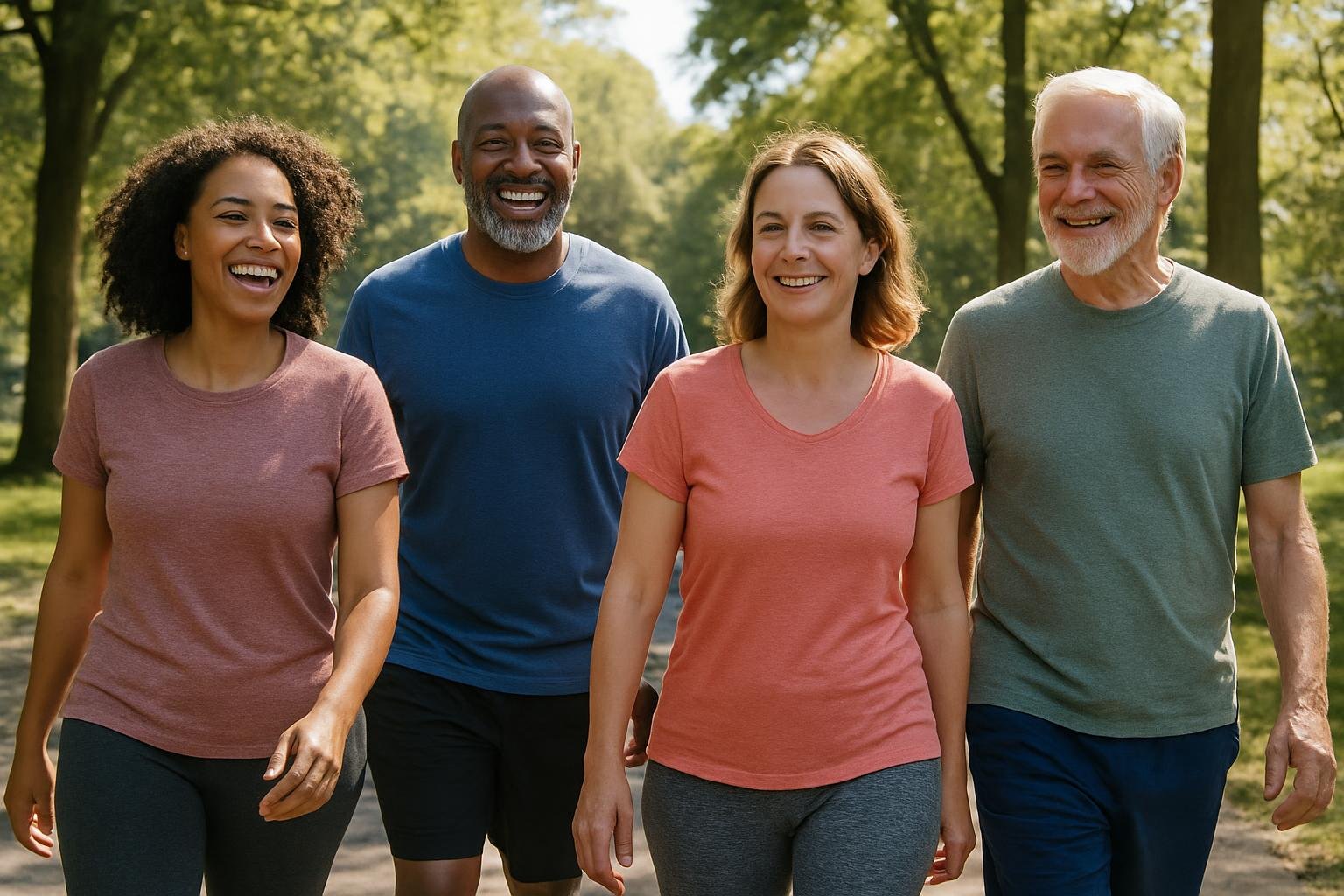
Walking for Health: Why This Simple Activity Matters
In an era dominated by high-intensity workouts and fitness gadgets, walking often doesn’t get the credit it deserves. Yet this low-impact, accessible activity remains one of the most effective ways to improve overall health. Unlike many fitness trends that can feel daunting, walking requires no special equipment or gym membership. It’s a natural, straightforward way to boost physical, mental, and emotional well-being.
The Multifaceted Benefits of Walking
Walking isn’t just a form of exercise; it’s a powerful health intervention. Regular walks have been linked to improved cardiovascular health by strengthening the heart and enhancing circulation. It aids in weight management, increases muscular endurance, and promotes joint flexibility. Beyond the physical benefits, walking also supports mental clarity and emotional balance. Research suggests that walking in natural settings reduces stress, improves mood, and fosters creative thinking.
Moreover, walking can be integrated seamlessly into daily routines, making it sustainable over the long term — a key factor in maintaining health.
Practical Tips to Maximize Walking’s Health Impact
To truly reap the benefits of walking, it’s important to approach it with intention rather than treating it as mere movement. Here are practical recommendations:
- Consistency over intensity: Aim for a moderate pace most days of the week rather than occasional intense bursts. Consistency builds cardiovascular and muscular benefits.
- Choose varied routes: Walking in different environments—urban parks, nature trails, quieter neighborhoods—can enhance mental engagement and prevent boredom.
- Focus on posture and stride: Maintaining an upright stance with a purposeful stride enhances efficiency and reduces injury risk.
- Incorporate intervals: Periodically increase your walking speed for 30 seconds to a minute during a session to elevate heart rate and calorie burn.
- Use technology wisely: While gadgets can motivate, avoid obsessing over step counts; listen to your body’s signals instead.
Simple Walking Routines for Any Lifestyle
Starting a walking habit doesn’t require sweeping schedule changes. Below are approachable routines crafted to fit varied lifestyles:
- The Morning Energizer: A 15-20 minute brisk walk after waking stimulates circulation and primes your mind and body for the day.
- Lunch Break Stroll: Stepping out for a 10-15 minute walk after eating can aid digestion and break the monotony of the workday.
- Evening Wind Down: A gentle 20-30 minute walk outdoors can lower stress hormones and promote more restful sleep.
- Walking Meetings: Replace seated meetings with walking discussions to combine movement with productivity.
- Weekend Wander: Dedicate time for longer weekend walks to explore local parks or trails and connect with nature.
Walking as a Lifelong Health Strategy
What makes walking especially compelling is its adaptability to different ages, fitness levels, and health conditions. Unlike high-impact exercises that require recovery or specialized skills, walking fosters empowerment across the lifespan.
When adopted as a regular practice, walking acts not just as physical fitness but as a form of mindful self-care, reinforcing the mind-body connection. It invites reflection, creativity, and presence in ways few other activities do.
Conclusion: Embrace Walking to Elevate Your Health
Walking remains a foundational pillar of healthy living precisely because it is simple yet profoundly effective. Its broad benefits extend beyond calories burned to encompass mental health, social interaction, and holistic well-being. By approaching walking with mindful consistency, varying your environments, and fitting it thoughtfully into daily life, you unlock a sustainable health strategy that supports longevity and vitality.
Whether you are just embarking on a wellness journey or seeking sustainable habits to maintain your health, walking offers unparalleled accessibility and returns. Step outside, move with purpose, and give yourself the gift of walking for health.