
How to Build a Balanced Plate for Everyday Eating: Expert Tips for Lasting Wellness
How to Build a Balanced Plate for Everyday Eating: Expert Tips for Lasting Wellness
In a world saturated with diverse dietary advice and ever-evolving nutrition trends, the basics of crafting a balanced plate remain foundational to sustained health. Building a balanced plate isn’t about rigid rules or complicated meal plans; it’s about understanding the core principles that foster nutrient diversity and promote lasting wellness. As an expert analyst in lifestyle and nutrition, I want to strip away the noise and focus on how everyday individuals can approach their meals with simplicity, clarity, and effectiveness.
Understanding the Balanced Plate Concept
The balanced plate concept is an intuitive framework designed to help people visualize and organize their meals. It emphasizes a thoughtful combination of macronutrients—carbohydrates, proteins, and fats—paired with a robust variety of micronutrients from fruits, vegetables, and whole foods. Rather than calorie counting or chasing fad diets, this approach centers on quality and proportion, which simultaneously supports energy levels, nutrient intake, and long-term health goals.
Focus on Portion Control with Nutrient-Dense Foods
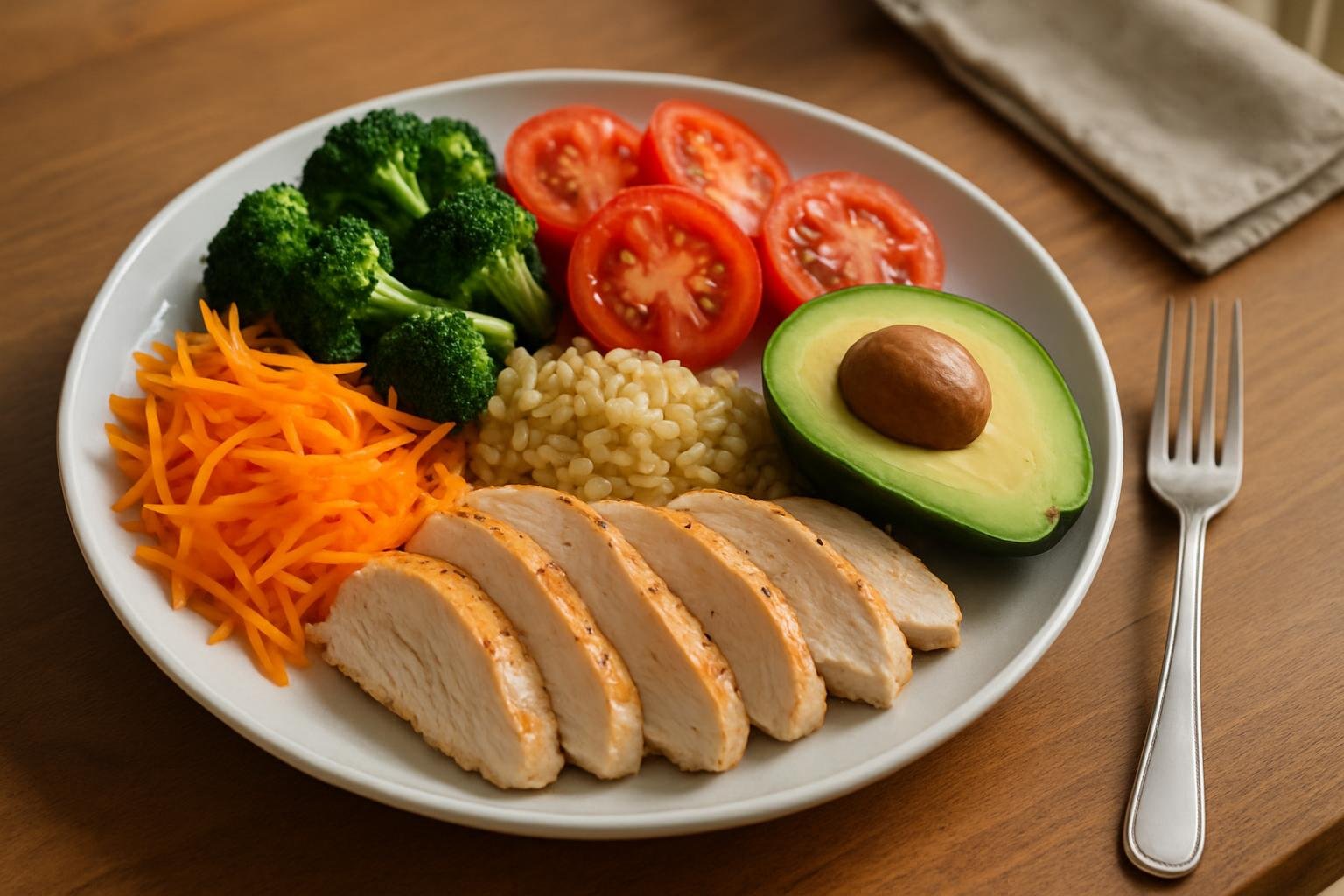
One of the key challenges in everyday eating is portion control. Oversized portions can dilute the nutritional impact of a meal and contribute to excess calorie intake without added benefit. To build a balanced plate, consider splitting your plate roughly into three sections: half for vegetables and fruits, a quarter for lean proteins, and a quarter for whole grains or other complex carbohydrates.
Vegetables and fruits should be the dominant component—packed with vitamins, minerals, fiber, and antioxidants. Proteins can come from both animal and plant sources including fish, poultry, beans, legumes, tofu, or nuts. For carbohydrates, prioritize whole grains like brown rice, quinoa, or whole wheat products that promote steady energy and improved digestion.
Incorporate Healthy Fats Moderately
Fats have often been misunderstood, yet they are crucial for hormone production, brain health, and nutrient absorption. Incorporate healthy fats such as olive oil, avocado, nuts, and seeds in moderation. These fats not only add flavor but also help you feel satisfied and maintain blood sugar balance. Avoid excessive consumption of saturated and trans fats typically found in processed foods.
Practical Tips for Everyday Balanced Eating
- Plan Ahead: Prepare meals or components in advance to ensure availability of balanced options, especially during busy days.
- Mindful Eating: Take time to enjoy your meal without distractions, which helps with digestion and recognizing fullness cues.
- Hydrate Wisely: Drink water throughout the day and with meals instead of sugary drinks or excessive caffeine.
- Variety is Vital: Rotate your food choices to expose your body to a broad spectrum of nutrients and prevent monotony.
- Adapt Portions: Adjust based on activity level, age, and specific health needs without overcomplicating your routine.
Why Building a Balanced Plate Matters for Wellness
Adopting a balanced plate approach allows individuals to make thoughtful food choices without feeling deprived or overwhelmed. This method supports metabolic health, weight management, and reduces the risk of chronic diseases over time. Furthermore, it empowers people to reconnect with their natural hunger signals, appreciate the diversity of flavors, and develop a sustainable and enjoyable relationship with food.
Conclusion: Cultivating Balance for Everyday Success
Ultimately, building a balanced plate goes beyond dietary prescriptions—it’s about cultivating a lifestyle where nutrition is approachable, enjoyable, and tailored to individual needs. By focusing on variety, appropriate portions, and nutrient-rich foods, anyone can construct meals that nourish body and mind. The journey toward wellness is ongoing, but with each balanced plate, you invest in a healthier future that honors your well-being every day.