
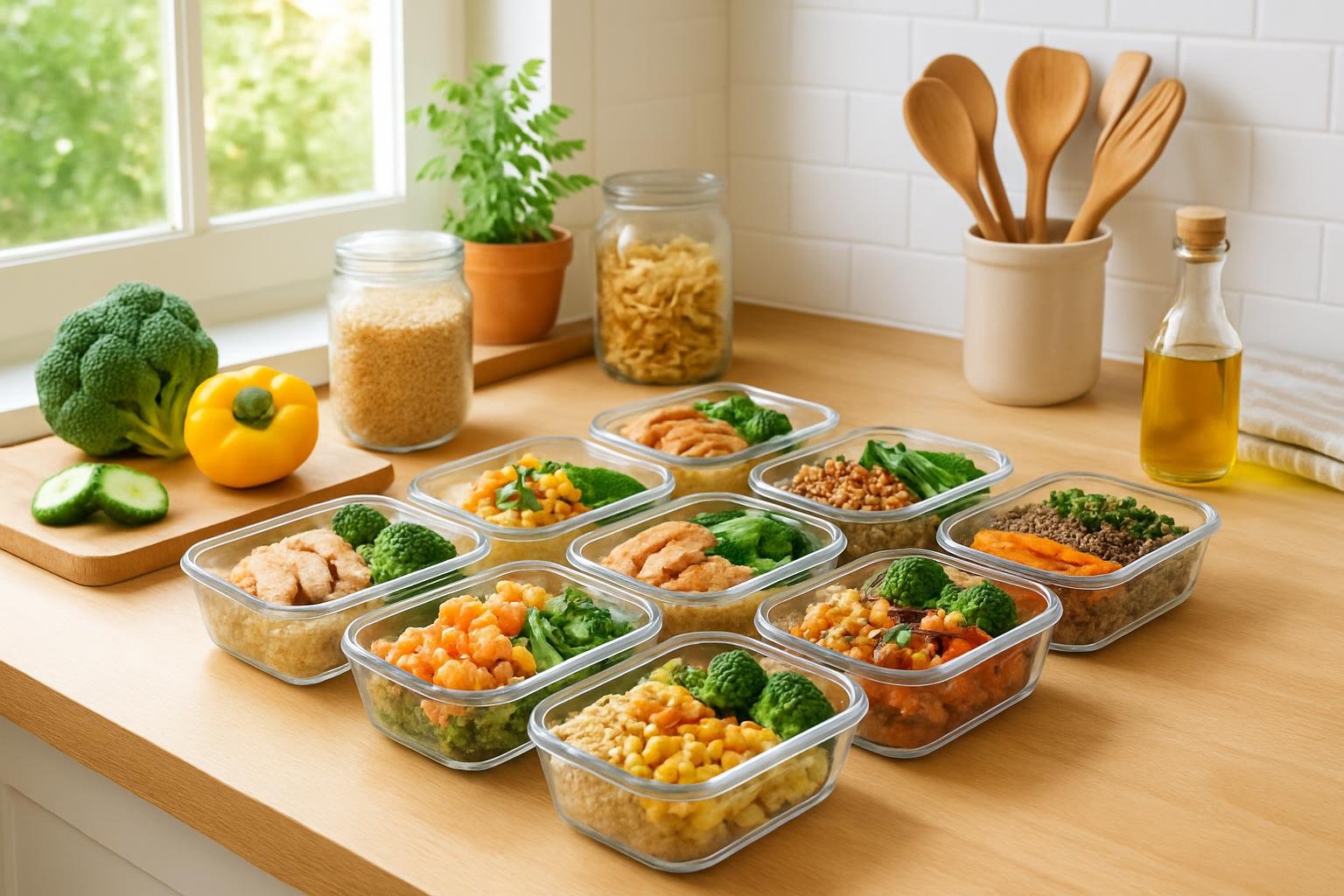
Mastering Meal Prep: Easy and Effective Ideas for Beginners
In a world where time is often the scarcest resource, meal prepping emerges as a pragmatic solution to maintain a healthy diet without daily cooking stress. For beginners, the concept might seem daunting — a chore reserved for seasoned cooks or trend enthusiasts. However, with a few simple principles and smart strategies, meal prep can become an accessible, enjoyable habit that not only saves time but enhances well-being.
Why Start Meal Prepping?
Meal prepping offers several advantages beyond mere convenience. It reduces the temptation to opt for less nutritious fast food, controls portion sizes, and helps manage grocery expenses by limiting spontaneous purchases. For those new to cooking, it provides a structured framework to develop kitchen confidence and explore balanced nutrition systematically.
Choosing the Right Meals to Prep
Starting small is key. Focus on dishes that rely on versatile ingredients and simple cooking techniques. Grains like rice, quinoa, or pasta serve as reliable bases, combined with proteins such as chicken, beans, or tofu, and a variety of fresh or roasted vegetables. These components are easy to batch-cook, store, and recombine for diverse meals.
Begin with recipes that can be prepared in under an hour. For example, roasted vegetables paired with quinoa and grilled chicken breast offer both flavor and nutritional balance. Incorporating sauces or dressings separately nullifies sogginess, keeping meals fresh throughout the week.
Essential Tools and Tips for Beginners
Investing in a few quality containers can make a significant difference. Airtight, BPA-free containers with compartments help keep food organized and fresh. Labeling meals by date can ensure rotation and reduce waste.
Batch cooking on weekends or your less busy days maximizes efficiency. Setting a timer and multitasking in the kitchen, like simmering grains while roasting vegetables, optimizes time spent. Additionally, prep ingredients rather than full meals when short on time—pre-chopped veggies and pre-cooked proteins can be mixed daily for variety.
Overcoming Common Challenges
Monotony is a frequent obstacle; rotating recipes weekly or changing seasoning profiles can maintain interest. Another hurdle is the upfront time investment. However, viewing prep days as an investment in ease and health pays off through stress relief and improved dietary consistency.
Storage space can also be a limitation. Utilizing stackable containers and planning meals around available fridge/freezer capacity mitigates this issue. Remember, meal prep is a flexible tool rather than a rigid mandate—adapting methods to personal lifestyle increases sustainability.
Conclusion: Building Sustainable Meal Prep Habits
For beginners, meal prepping need not be overwhelming or restrictive. It is less about rigid schedules or complicated recipes and more about thoughtful planning, simplicity, and incremental progress. Starting with manageable steps, focusing on balanced meals, and embracing kitchen organization can transform how you approach food preparation. Ultimately, this practice empowers greater control over health, time, and budget with lasting benefits that extend well beyond the kitchen.