
Effective Low-Impact Exercises to Enhance Everyday Health
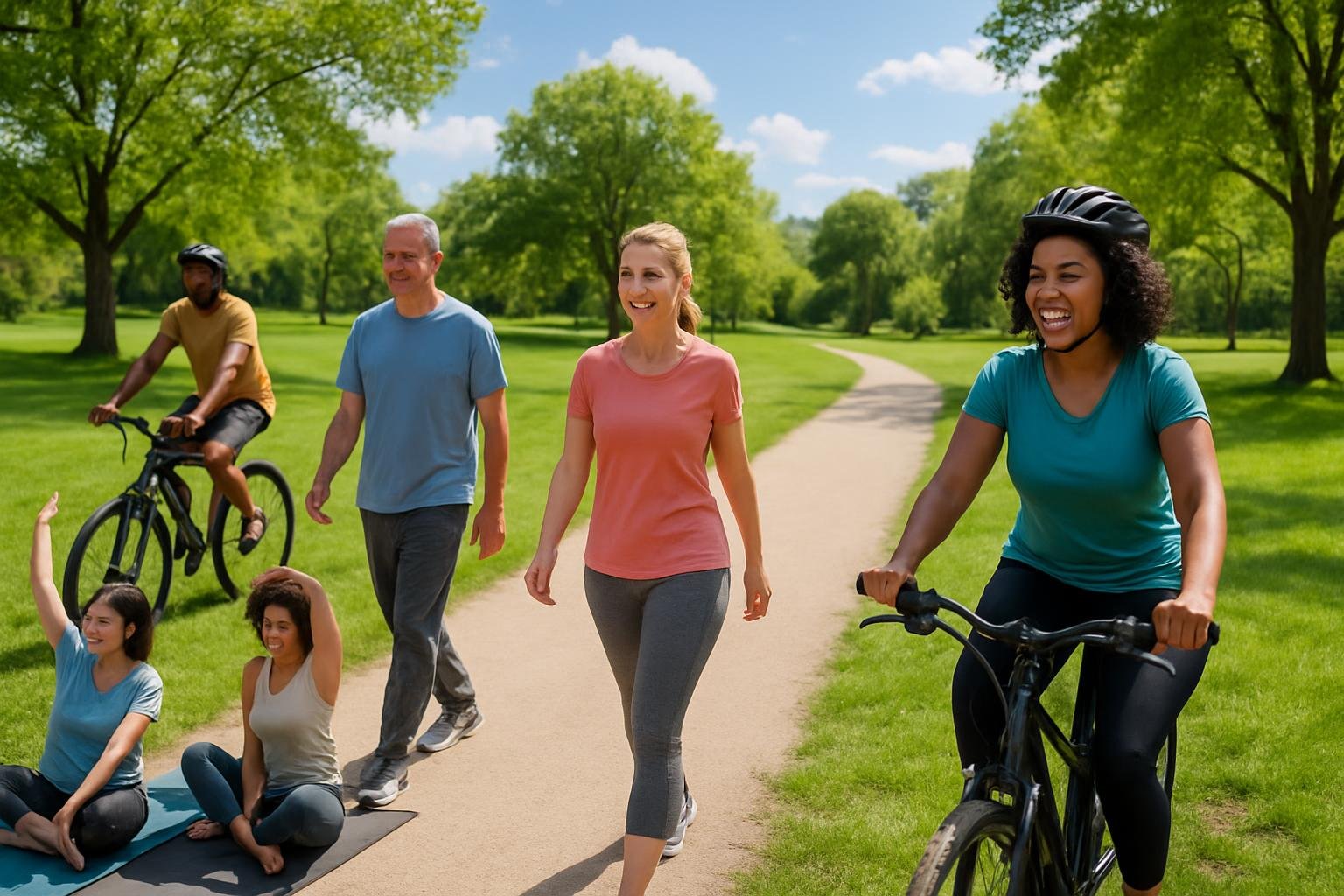
Effective Low-Impact Exercises to Enhance Everyday Health
Maintaining physical activity is essential for long-term health, but not everyone can engage in high-intensity workouts due to joint sensitivity, injuries, or lifestyle constraints. Low-impact exercises offer a sustainable path to improving fitness, enhancing mobility, and supporting cardiovascular health without the risks associated with high-impact movements.
Why Choose Low-Impact Exercise?
Low-impact exercises are characterized by movements where at least one foot remains in contact with the ground or the activity minimizes stress on joints. This approach is especially beneficial for older adults, individuals managing chronic conditions such as arthritis, or those recovering from injury. Besides reducing injury risk, these exercises promote consistency—a crucial factor for long-term health benefits.
Key Low-Impact Exercises for Daily Health
1. Walking
Walking remains one of the most accessible and effective low-impact exercises. It improves cardiovascular health, aids weight management, and supports mental well-being. Incorporating brisk walking into daily routines can be transformative, with minimal equipment or preparation needed.
2. Swimming and Water Aerobics
Water-based activities reduce the load on joints due to buoyancy, making them ideal for individuals with joint pain or mobility issues. Swimming enhances cardiovascular fitness, muscle strength, and flexibility, while water aerobics adds a social and motivational component.
3. Cycling
Cycling, whether on a stationary bike or outdoors, provides cardiovascular benefits and strengthens lower-body muscles. The smooth, repetitive motion is gentle on knees and hips, supporting joint function without intense impact.
4. Yoga
Yoga combines gentle stretching, balance, and strength training. Its low-impact nature enhances flexibility, reduces stress, and promotes body awareness. Numerous variations cater to all fitness levels and mobility ranges.
5. Pilates
Pilates focuses on core strength, posture, and controlled movements. This form of exercise supports injury prevention and prolongs mobility by targeting stabilizing muscles critical for everyday movement.
Practical Tips for Incorporating Low-Impact Exercise
Consistency and enjoyment are key to maintaining an active lifestyle. Start with small, manageable sessions and increase duration gradually. Mixing different low-impact exercises can prevent monotony and promote balanced fitness.
Listening to your body is crucial. Mild discomfort may be normal, but persistent pain is a signal to modify your activity. Consulting healthcare professionals before starting new routines ensures safety, especially if health concerns exist.
Conclusion
Low-impact exercises offer a practical, effective approach to daily fitness that preserves joint health and promotes overall well-being. By choosing activities that balance movement with care, individuals can sustain physical activity throughout their lives, gaining numerous physical and mental benefits. The path to better health is not about intensity but consistency and thoughtful movement.