
Top Food Trends to Watch in 2026: Expert Insights on What’s Cooking Next
As the culinary world continues its dynamic evolution, 2026 promises to be a year of transformative food trends that reflect broader shifts in culture, technology, and environmental awareness. From sustainable sourcing to cutting-edge dining experiences, these trends are reshaping what, how, and why we eat. Understanding these emerging currents offers both consumers and industry players crucial insights into the future of food.
Sustainability Moves Beyond Buzzword Status
Sustainability isn’t new, but in 2026 it solidifies as an imperative rather than a choice. This transcends the simple narrative of organic labels or local ingredients. Expect an emphasis on circular food systems, where waste is minimized and repurposed. Innovations such as regenerative agriculture will likely gain traction, focusing on soil health and biodiversity to secure long-term food supply rather than short-term yield gains.
Consumers will increasingly demand transparency—not just in sourcing but across the entire production chain. From seed to table, the full ecological and social footprint of food will be under scrutiny. This means brands and producers who embed sustainability authentically will stand out, while greenwashing will face sharper consumer and regulatory backlash.
The Rise of Tech-Driven Dining Experiences
Technology’s role in food is expanding from production to consumption. 2026 will see growth in AI-curated menus, personalized nutrition plans integrated into restaurant experiences, and augmented reality dining that layers sensory depth onto the meal itself. These innovations cater to an increasingly experience-driven consumer base that values customization and interactivity.
Automation in food delivery and preparation will not only improve speed but also reshape labor dynamics within the industry. Yet, the challenge will be balancing these advances with the desire for human connection in dining, ensuring technology enhances rather than replaces culinary artistry and hospitality.
Bold Flavors and Fusion Continue to Evolve
Global connectivity and adventurous palates are propelling a wave of bold flavors and inventive fusion cuisines. In 2026, expect more nuanced hybrid dishes that respect traditional culinary roots while innovating with new ingredients and techniques. For instance, fermentations from different cultures might merge or lesser-known spices will be spotlighted, reflecting a deeper gastronomic curiosity.
Health-consciousness will guide flavor innovation as well. Spices and botanicals with purported wellness benefits will become mainstream, adding complexity and purpose to dishes beyond taste alone.
Plant-Based Eating Enters a New Phase
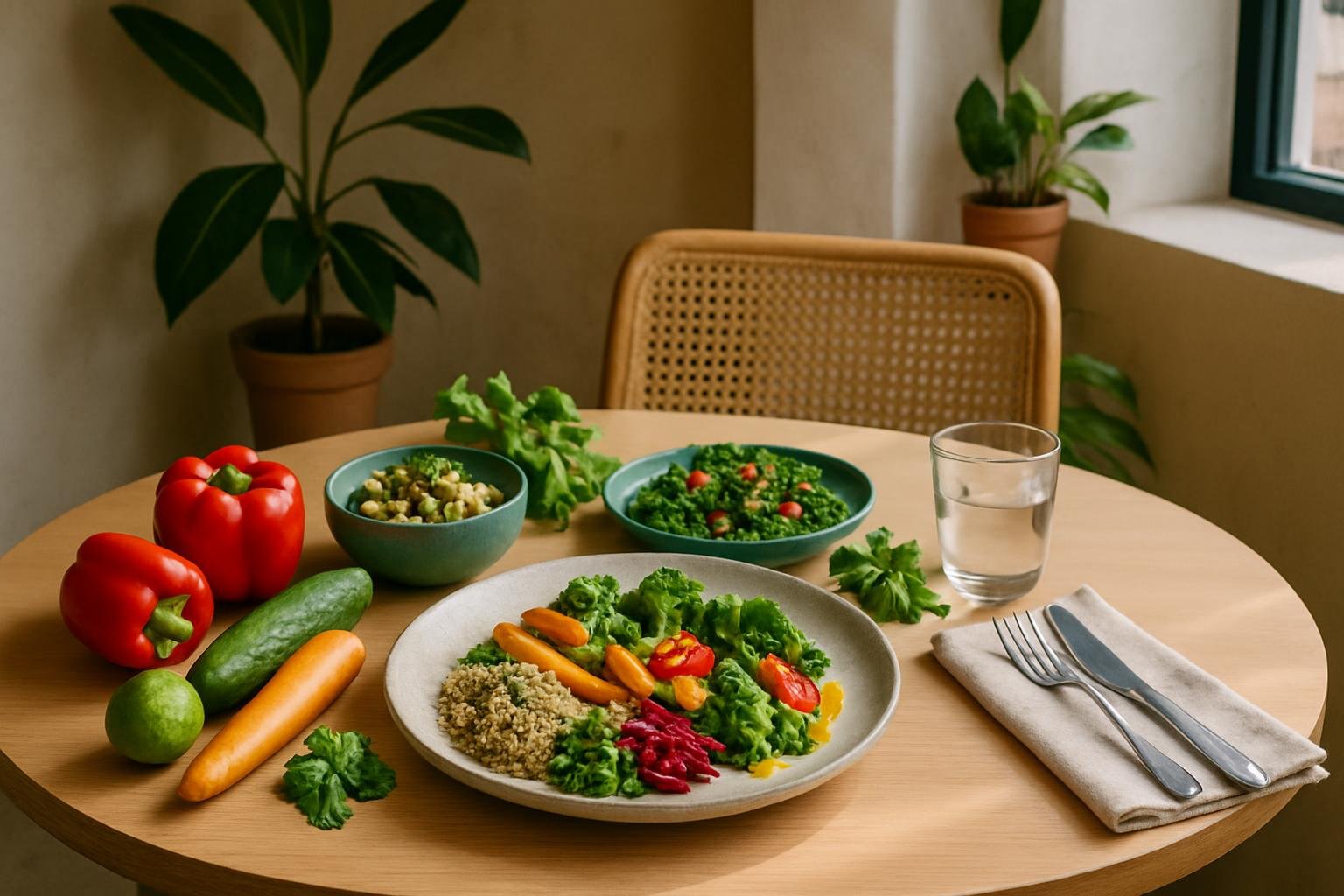
While plant-based eating is far from novel, 2026 marks its maturation into a mainstream lifestyle choice rather than a niche trend. What stands out is the increasing emphasis on whole-food plant-based options—moving away from highly processed meat alternatives toward foods that celebrate plants in their natural complexity and diversity.
We will also see continued innovation in plant-based dairy and seafood, alongside fresh ingredient-forward cooking that honors seasonal availability. For producers, transparency about sourcing and nutritional profiles will be vital in winning consumer trust.
Conclusion: Navigating the Future of Food with Intention
The food trends emerging in 2026 illustrate a profound shift toward intentional, thoughtful eating. This is not just about flavor or convenience—it’s about embedding values like sustainability, health, and authenticity into our food choices. Consumers, restaurateurs, and producers alike would do well to align with these undercurrents, emphasizing transparency, innovation, and environmental stewardship.
Ultimately, the trends of 2026 signal a culinary landscape that is as complex as the global challenges it faces. Embracing these changes with a mindful approach will not only enhance dining experiences but also contribute to building a more resilient and equitable food system.