
Daily Movement Habits That Keep Your Body Strong: An Expert Perspective
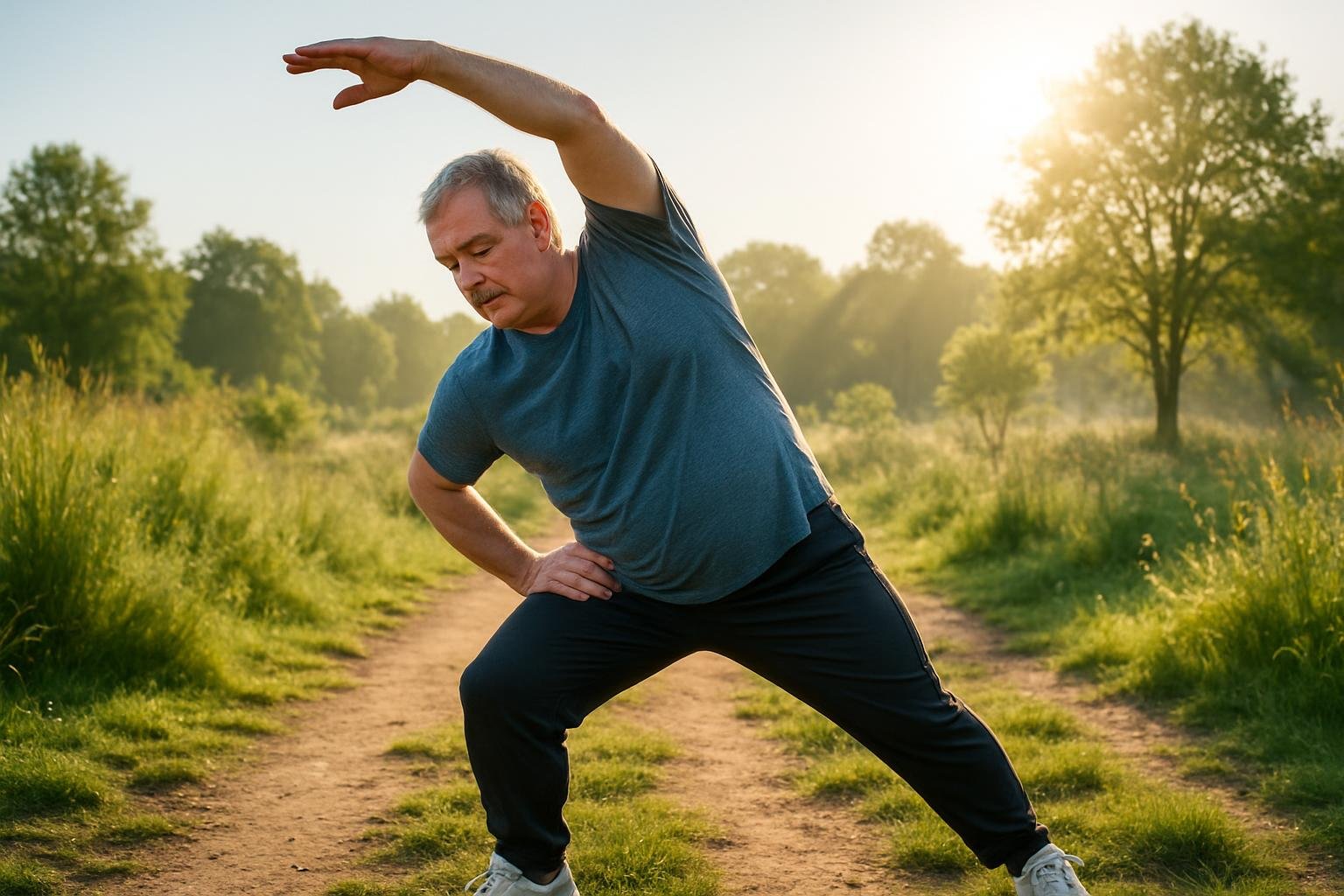
In a world dominated by sedentary routines, the importance of daily movement habits to maintain a strong and resilient body cannot be overstated. While structured workouts have their place, it is the subtle, consistent incorporation of movement into everyday life that often dictates long-term physical robustness. This article offers a nuanced exploration of how daily habits shape body strength and provides practical approaches to foster mobility and durability without overwhelming complexity.
Why Daily Movement Matters Beyond the Gym
Strength encompasses more than lifting heavy weights or intense training sessions. It is also about the body’s ability to move with ease, resist injury, and recover effectively. Daily movement habits play a pivotal role in maintaining muscle tone, joint flexibility, and cardiovascular health. Neglecting these can lead to stiffness, weakness, and a heightened risk of chronic conditions. Thus, cultivating habitual movement is foundational for sustaining an active lifestyle throughout one’s life.
Small Movements, Big Impact: Habitual Practices to Embrace
Integrating manageable yet consistent movement practices during the day accumulates in substantial benefits. Consider these core habits:
- Micro-break stretches: Standing or sitting for extended periods compresses muscles and joints. Taking brief stretch breaks every hour reactivates circulation and enhances flexibility.
- Walking as a cornerstone: Walking remains one of the most accessible, low-impact ways to engage muscles and promote cardiovascular endurance. Aim for regular short walks rather than sporadic long sessions.
- Functional bodyweight movements: Incorporating squats, lunges, or wall push-ups into daily routines supports muscle recruitment patterns essential for real-life movements.
- Postural mindfulness: Maintaining an upright, balanced posture reduces undue stress on muscles and ligaments, preventing compensatory strain and weakness over time.
Creating Sustainable Movement Routines in a Busy Life
The challenge lies not in knowledge but in consistent application amid modern life’s demands. Developing sustainable movement habits requires a blend of intentionality and flexibility. Techniques such as setting reminders, using activity trackers, or pairing movement with daily tasks—like calf raises while brushing teeth—can seamlessly integrate these practices without feeling burdensome.
Furthermore, embracing a mindset that values incremental progress and movement variety is vital. The myth that only vigorous exercise matter obscures the profound cumulative effects of these modest, frequent activities. Recognizing every movement as a building block toward strength fosters motivation and long-term adherence.
The Synergy Between Movement and Holistic Health
Strength is intricately linked with other health domains, including nutrition, sleep, and mental well-being. Daily movement positively impacts mood regulation, stress management, and cognitive function, creating a virtuous cycle that reinforces physical resilience. Conversely, neglecting movement can contribute to downward spirals in energy and health.
Therefore, viewing movement as an integral component—not merely a physical task but a holistic health practice—enables a more sustainable, enriching approach to wellness.
Conclusion: Moving Toward a Stronger Tomorrow
Strength is not an endpoint but a continuous journey sustained through daily choices. By embracing simple yet effective movement habits—breaking up sedentary time, prioritizing functional exercises, and cultivating body awareness—you lay the groundwork for a strong, agile body that serves you well into the future. The challenge and opportunity lie in transforming movement from an occasional activity into a dependable daily companion. In doing so, you honor the body’s design and support its enduring vitality.