
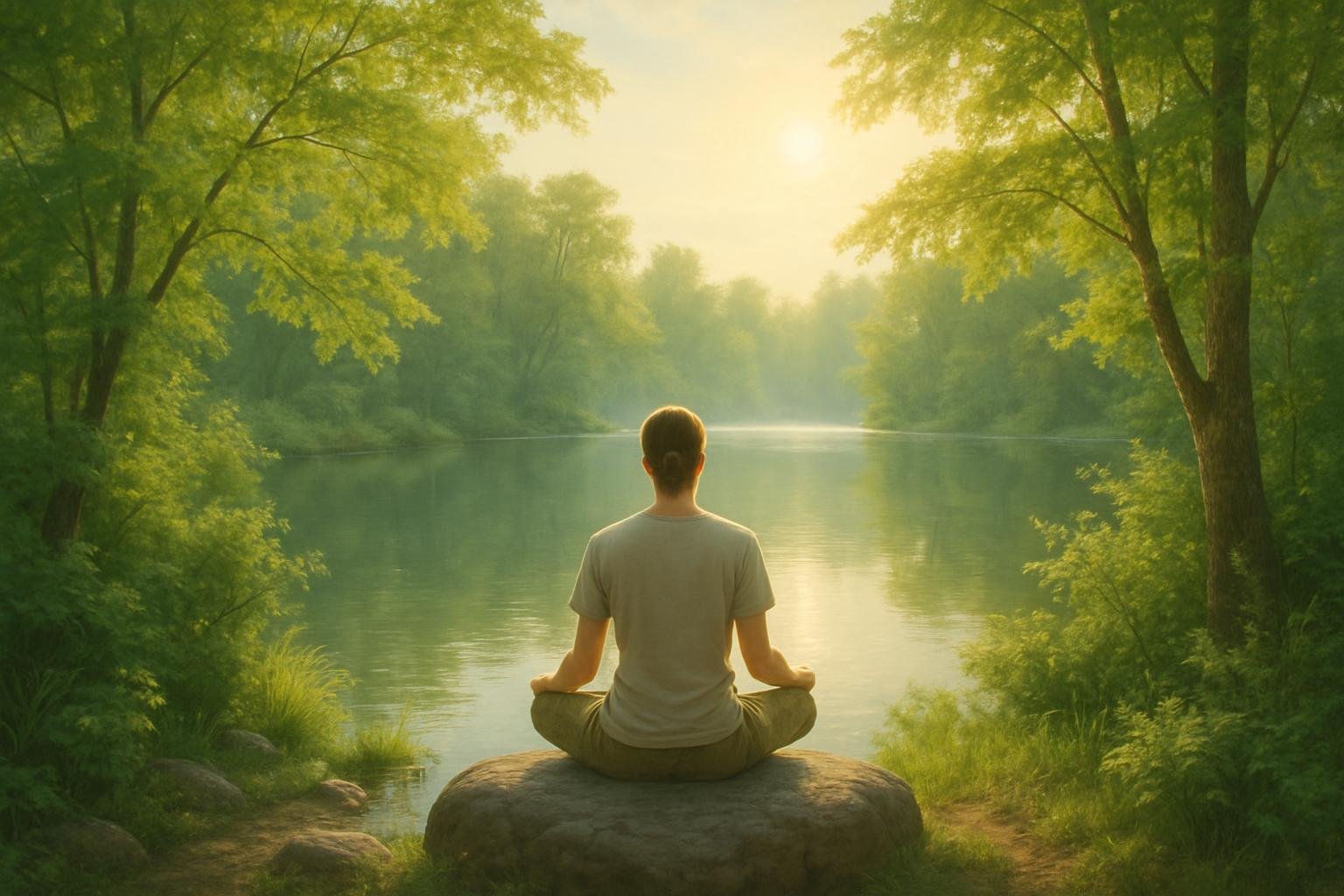
Mental Health Tips for a Calmer Mind
In a world that often feels overwhelming and fast-paced, maintaining mental tranquility is more essential than ever. A calmer mind not only fosters emotional balance but also enhances our ability to think clearly, make effective decisions, and face challenges with resilience. However, achieving this state of inner peace is rarely accidental; it demands conscious effort and consistent practice.
Recognizing the Need for Calm
Understanding why a calmer mind matters is the first step. Mental clutter and stress distort our perception of reality, making problems seem larger and more daunting than they are. When the mind is calm, stress responses subside, creativity flourishes, and relationships improve. Embracing this perspective invites us to prioritize mental wellness as much as physical health.
Practical Mental Health Strategies
1. Mindful Breathing and Meditation
Breathing practices have long been recognized for their ability to anchor attention and calm the nervous system. Even brief periods of mindful breathing can break cycles of anxiety and agitation. Meditation, in its many forms, trains the brain to observe thoughts without judgment, which reduces mental noise and fosters a centered mindset.
2. Establishing Consistent Routines
Predictability in daily activities can reduce cognitive overload. Consistent sleep schedules, regular meal times, and dedicated moments for relaxation create a rhythm that the brain can rely on, easing the stress of unpredictability.
3. Limiting Exposure to Stress Triggers
In the age of information abundance, not all input is beneficial. Limiting time spent on distressing news or social media platforms can prevent unnecessary emotional turmoil. Instead, focusing on uplifting or educational content nurtures positive mental states.
4. Physical Activity and Nature Engagement
Exercise and time spent outdoors have profound effects on mental wellness. Physical movement releases endorphins that elevate mood, while nature exposure offers a sensory retreat that naturally quiets anxious thoughts.
5. Cultivating Supportive Connections
Social bonds act as buffers against stress. Engaging in meaningful conversations, seeking support when needed, and reaching out to empathetic individuals provide reassurance and reduce feelings of isolation.
The Role of Professional Guidance
While self-help strategies are vital, knowing when to seek professional assistance can be crucial. Mental health professionals offer tools tailored to individual needs that can guide one toward sustained calmness and improved resilience.
Conclusion: Making Calmness a Priority
Achieving a calmer mind is an ongoing journey requiring awareness, discipline, and self-compassion. By integrating simple yet effective mental health tips into daily life, anyone can cultivate a more serene mindset. This approach not only enhances personal well-being but also equips us to participate more fully and thoughtfully in the world around us.