
Easy Mediterranean Food Ideas for Healthy Eating: A Flavorful Path to Wellness
Introduction: The Timeless Appeal of Mediterranean Cuisine
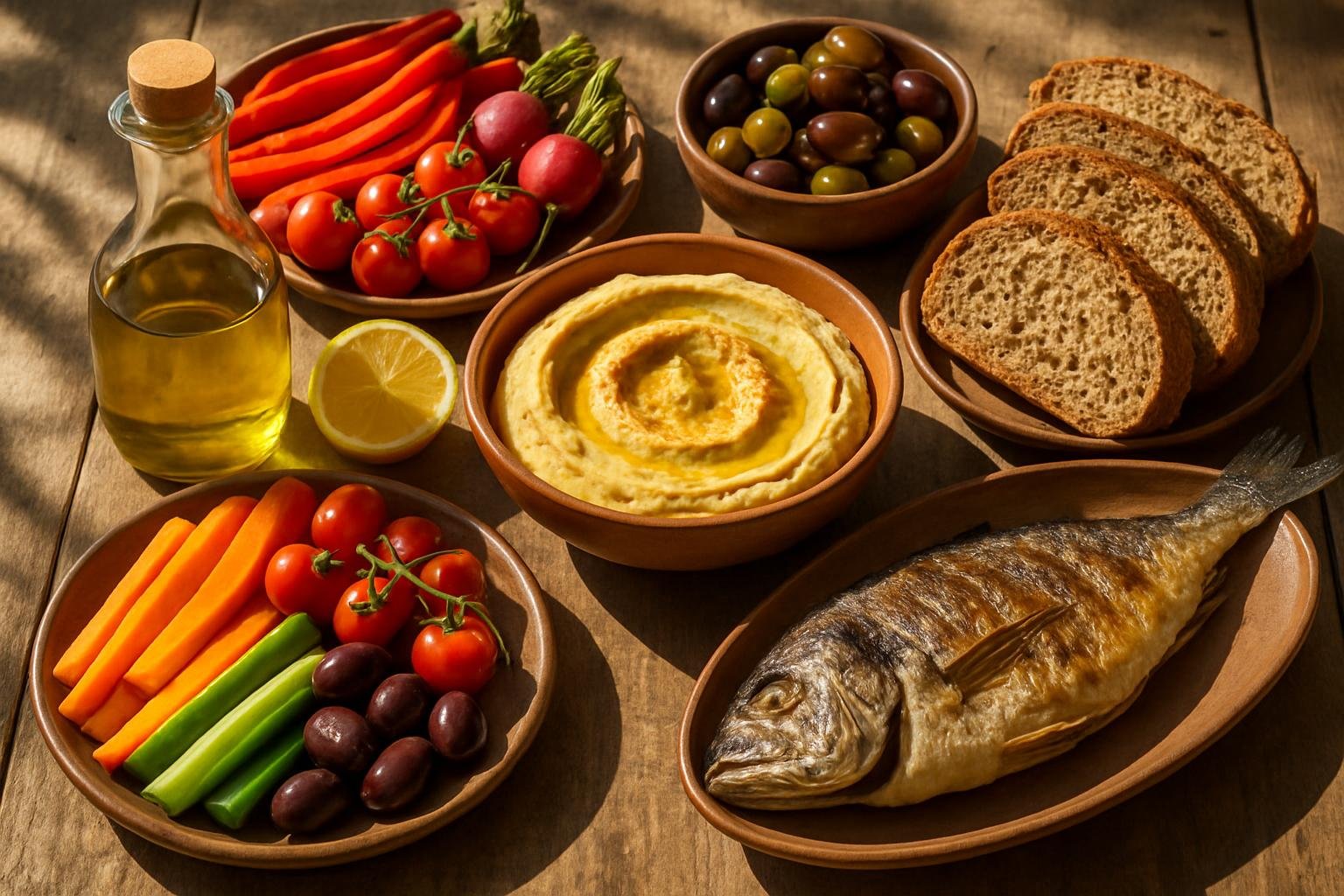
The Mediterranean diet has long been praised for its health benefits and rich, satisfying flavors. Rooted in the culinary traditions of countries bordering the Mediterranean Sea, this approach to eating emphasizes fresh vegetables, fruits, whole grains, legumes, nuts, olive oil, and lean proteins like fish and poultry. But beyond its nutritional virtues, Mediterranean cuisine is a celebration of vibrant tastes and simple preparations. For those seeking healthy eating options that do not compromise on flavor or variety, embracing Mediterranean food ideas offers an elegant and practical solution.
What Makes Mediterranean Food Healthy and Enjoyable?
Unlike many fad diets, Mediterranean eating focuses on whole, minimally processed foods, offering a range of vitamins, minerals, antioxidants, and healthy fats. Olive oil, a cornerstone, replaces saturated fats with monounsaturated fats that can support heart health. Additionally, the diet’s emphasis on variety and plant-based dishes ensures fiber intake that supports digestion and overall wellness.
Importantly, this cuisine does not revolve around restrictive eating. Instead, it encourages balanced meals composed of complementary ingredients that enhance one another’s flavors and nutritional profiles. This harmony creates dishes that are as palate-pleasing as they are nourishing.
Practical and Easy Mediterranean Food Ideas to Integrate Into Your Routine
1. Colorful Mediterranean Grain Bowls
Start with a base of whole grains like quinoa, farro, or bulgur. Add a mix of roasted or fresh vegetables such as cherry tomatoes, cucumbers, bell peppers, and olives. Include a protein source—grilled chicken, chickpeas, or feta cheese—and drizzle with extra virgin olive oil and lemon juice for a simple dressing. This bowl combines texture, flavor, and nutrients in an easily customizable way.
2. Mediterranean Mezze Plates
For a casual, shareable meal, assemble a mezze platter featuring hummus, baba ganoush, tabbouleh, stuffed grape leaves, and warm whole wheat pita bread. These small plates encourage mindful, varied eating and are perfect for social occasions or light dinners.
3. Fresh and Simple Salads
A classic Greek salad with ripe tomatoes, cucumbers, red onions, feta, kalamata olives, and oregano exemplifies Mediterranean freshness. Tossed lightly with olive oil and red wine vinegar, such salads provide crisp textures and potent flavors while being low in calories.
4. Grilled Seafood with Herbs
Lean seafood like sardines, sea bass, or shrimp grilled with lemon, garlic, and herbs such as rosemary or thyme encapsulates the Mediterranean spirit. Pair with steamed vegetables or a small serving of whole-grain couscous for a balanced plate.
Analyzing the Nutritional and Lifestyle Benefits
Integrating these Mediterranean ideas fosters sustainable healthy eating habits rather than quick fixes. The diet’s flexibility allows for seasonality and local adaptations, which means meals don’t feel monotonous or burdensome to prepare.
Moreover, Mediterranean eating aligns well with mindful eating principles. The emphasis on fresh, colorful ingredients and cooking at home encourages individuals to engage with their food more thoughtfully, promoting better digestion and enjoyment.
From a health perspective, Mediterranean food’s focus on plant-based ingredients and healthy fats has been linked to reduced risks of chronic diseases such as heart disease, type 2 diabetes, and certain cancers. While this article refrains from citing specific studies, the broad consensus in nutritional science underscores these benefits.
Conclusion: Embracing Mediterranean Food for a Balanced Life
Easy Mediterranean food ideas offer a delicious gateway to healthier eating. The combination of simplicity, flavor, and nutritional richness makes Mediterranean cuisine particularly suited for those seeking to enhance their diet without sacrificing satisfaction.
Adopting these ideas doesn’t require extensive culinary skills or rare ingredients—just a willingness to embrace fresh foods and thoughtful preparations. Over time, this approach can cultivate a positive relationship with food, making healthy eating both achievable and enjoyable.
In essence, the Mediterranean way of eating is not merely about food; it is a lifestyle that celebrates balance, community, and wellness through time-tested flavors and wholesome ingredients.