
How Electric Vehicles Are Changing the Automotive Industry
How Electric Vehicles Are Changing the Automotive Industry
Electric vehicles are doing far more than replacing gasoline engines with batteries. They are transforming how cars are designed, built, sold, serviced, and used. From manufacturing plants to dealership showrooms, the shift to EVs is forcing automakers and suppliers to rethink long-standing business models. What began as a technology trend is now one of the biggest industrial changes in modern transportation.
As battery prices fall, charging networks expand, and consumers become more comfortable with electric driving, the automotive industry is entering a new era. The companies that adapt quickly are likely to gain an advantage, while those that delay may struggle to keep up with changing demand.
Vehicle Design Is Becoming Simpler and Smarter
One of the biggest changes EVs bring is in vehicle architecture. Traditional cars rely on complex engines, transmissions, fuel systems, and exhaust components. Electric vehicles remove many of those parts, which allows engineers to redesign the car around a battery pack and electric motor.
This simpler mechanical structure can create new benefits. EVs often have more interior space, lower centers of gravity, and fewer moving parts that need regular maintenance. At the same time, the absence of a conventional engine gives designers more freedom to experiment with cabin layout, storage, and aerodynamics.
Manufacturing Is Shifting Toward Batteries and Electronics
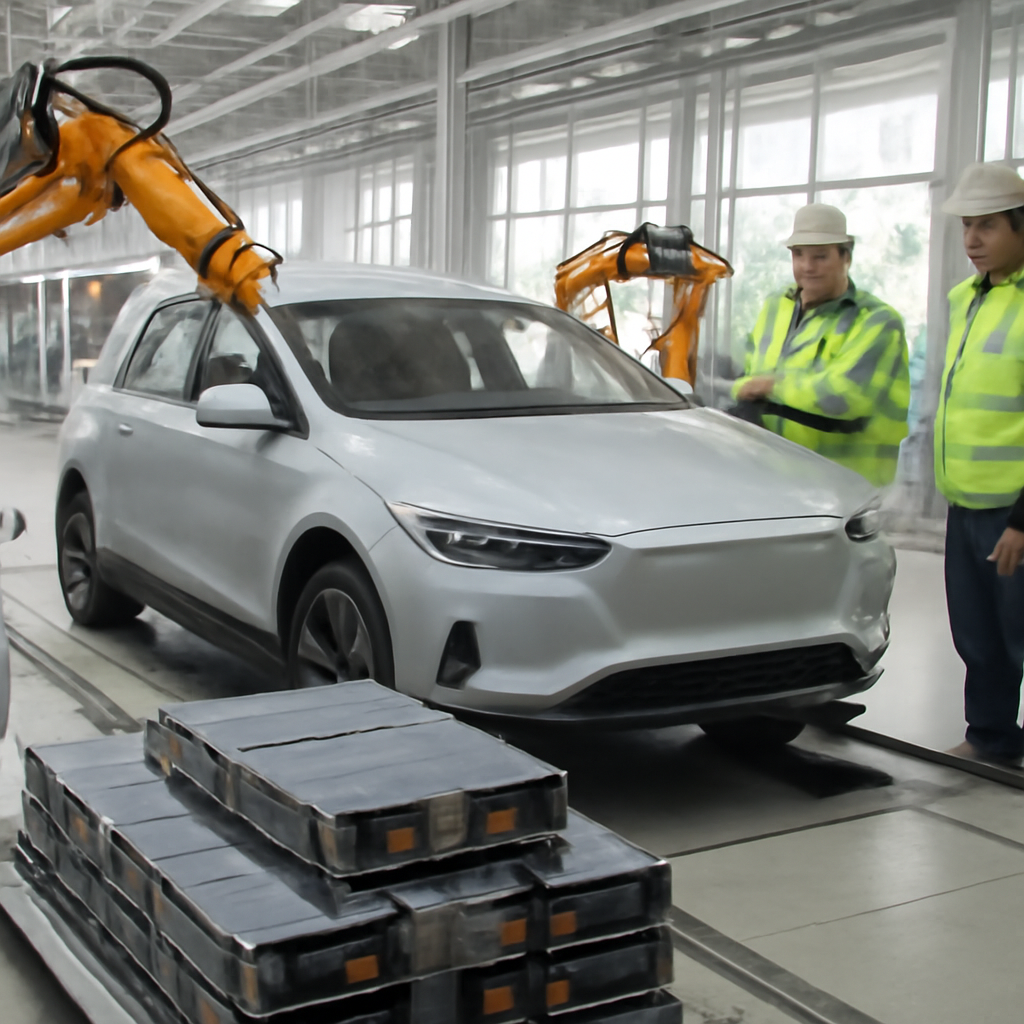
Electric vehicles are changing what automakers produce and how they produce it. Instead of focusing heavily on engines and transmissions, manufacturers are investing in battery plants, electric drivetrains, power electronics, and software systems. Many automakers are retooling existing factories or building new ones designed specifically for EV assembly.
This shift also changes the workforce. Workers need new skills in battery safety, high-voltage systems, robotics, and software integration. As a result, automotive jobs are evolving from traditional mechanical roles toward more technical and digital specialties.
Battery production has become a strategic priority. Automakers want more control over battery supply because batteries are one of the most expensive and critical parts of an EV. That has led to partnerships, joint ventures, and investments in local manufacturing capacity around the world.
The Supply Chain Is Being Rewritten
Electric vehicles rely on different raw materials than gasoline-powered cars. Batteries require minerals such as lithium, nickel, cobalt, and manganese, which has increased demand for mining, refining, and recycling operations. This has created both opportunities and risks across the supply chain.
Automakers must now pay closer attention to material sourcing, geopolitical stability, and long-term availability of key battery inputs. At the same time, the industry is working to improve recycling systems so valuable materials can be recovered from used batteries and returned to production.
Because EV supply chains are still developing, companies that secure reliable material access and efficient battery production will have a competitive edge. Supply chain resilience is becoming just as important as vehicle design.
Software Is Now a Core Part of the Car
Electric vehicles are accelerating the rise of software-defined vehicles. Many EVs depend on advanced digital systems for battery management, range optimization, driving performance, infotainment, and over-the-air updates. This means the car can improve after it leaves the factory.
Automakers are increasingly behaving like technology companies. They are investing in user interfaces, connected services, data platforms, and driver-assistance features that can be updated remotely. For consumers, this can mean better performance, new features, and a more personalized driving experience.
Software also affects how companies earn money. Some automakers are exploring subscription services, digital upgrades, and connected features as new revenue streams. In the EV era, the car is becoming a product and a platform.
Charging Infrastructure Is Influencing Buying Decisions
Range anxiety once slowed EV adoption, but charging availability is helping change that. As more home chargers, workplace chargers, and public fast chargers are installed, electric driving is becoming more practical for a wider range of consumers.
Charging infrastructure is now a major factor in auto industry planning. Automakers, utilities, charging networks, and governments are all involved in building the ecosystem needed to support EV growth. Vehicle sales and infrastructure development are increasingly linked.
For buyers, the decision is no longer just about the car itself. It is also about how easily the vehicle can be charged at home, at work, and on longer trips. This has pushed the industry to think beyond the showroom and focus on the full ownership experience.
Dealerships, Service, and Consumer Expectations Are Changing
EVs reduce the need for routine maintenance such as oil changes, spark plug replacement, and exhaust repairs. That means service departments must adjust to a different kind of vehicle ownership. Repairs may involve batteries, sensors, software, and charging systems rather than traditional engine parts.
Dealerships also face new sales challenges. Customers often arrive with more research, more questions about range and charging, and higher expectations for digital tools. A smooth online buying process, transparent pricing, and clear education are becoming essential.
Consumer expectations are shifting too. Many EV buyers care about acceleration, quiet operation, lower operating costs, and environmental impact. As a result, automakers are competing not only on horsepower and styling, but also on efficiency, software experience, and charging convenience.
The Road Ahead for the Auto Industry
Electric vehicles are not just another product category. They are changing the structure of the automotive industry from the ground up. Companies that embrace batteries, software, and charging infrastructure are positioning themselves for the future, while those tied too closely to legacy systems may find the transition difficult.
The next phase of the industry will likely include more affordable EVs, improved battery technology, broader charging access, and smarter connected vehicles. The shift will not happen overnight, but it is already well underway. In many ways, EVs are redefining what a car is and what the auto industry must become.