
The Future of Electric Cars and Smart Mobility
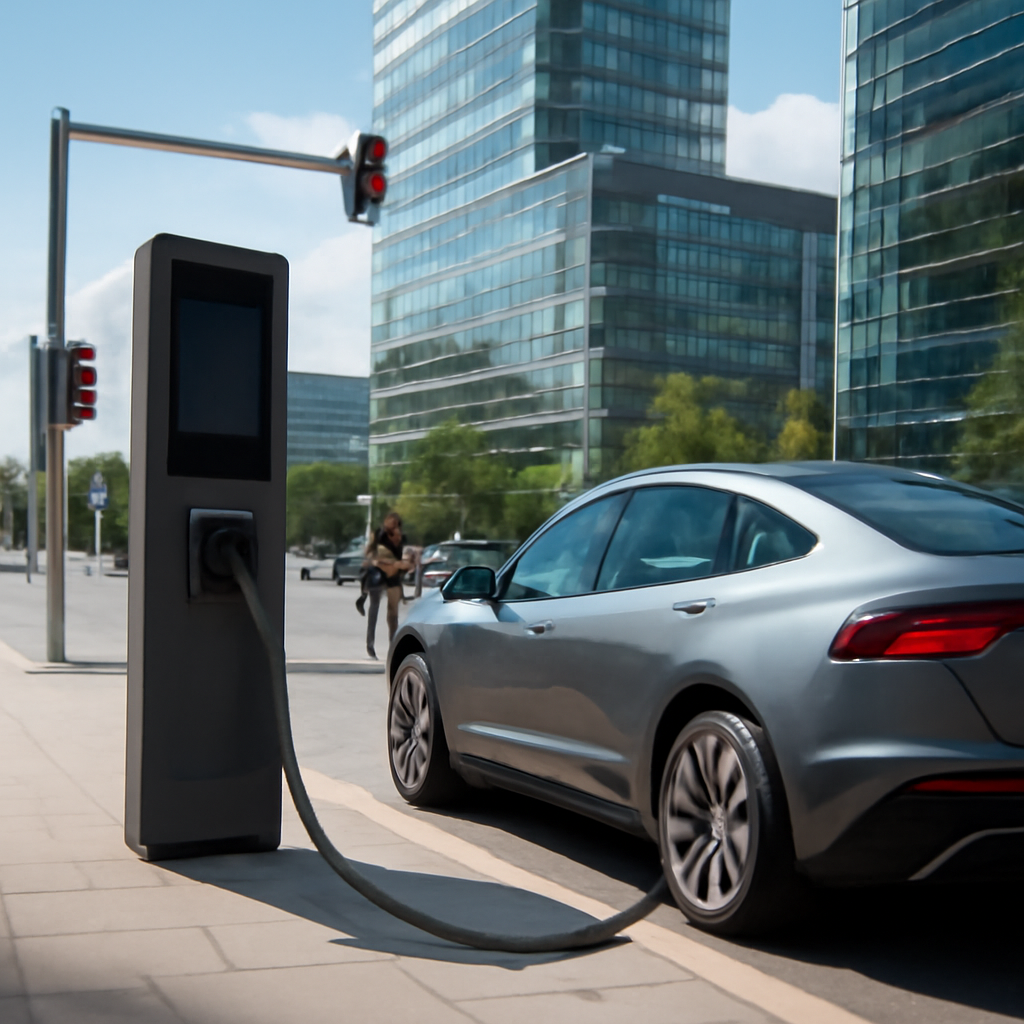
The Future of Electric Cars and Smart Mobility
Electric cars are no longer a niche choice for early adopters. They are quickly becoming a central part of how people will travel, commute, and move goods in the years ahead. At the same time, smart mobility is changing the way transportation systems work by combining electric vehicles, digital tools, shared services, and connected infrastructure. Together, these trends are creating a future that is cleaner, more efficient, and more flexible than the transportation systems many cities rely on today.
Why electric cars are gaining momentum
The rise of electric cars is being driven by several factors at once. Battery technology has improved, making many EVs capable of traveling much farther on a single charge than earlier models. Charging networks are expanding, which makes ownership more practical for drivers who want convenience and confidence. At the same time, many consumers are becoming more aware of fuel costs, emissions, and long-term maintenance expenses.
Electric vehicles also fit well with broader efforts to reduce air pollution and carbon emissions. Because they do not produce tailpipe emissions, they can help improve air quality in cities where traffic is dense. While the environmental impact depends on how electricity is generated, the overall direction is clear: cleaner transport is becoming a priority for governments, companies, and households.
What smart mobility really means
Smart mobility goes beyond simply replacing gasoline cars with electric ones. It refers to transportation systems that use data, connectivity, and automation to move people and goods more efficiently. This includes ride-sharing, car-sharing, integrated public transit apps, traffic-sensing systems, intelligent parking, and vehicles that can communicate with infrastructure.
The goal is not only to make travel faster, but also to make it more responsive to real-world demand. Instead of everyone owning a separate vehicle for every trip, smart mobility encourages people to use the best transport option for each situation. In many cities, that could mean combining an electric car with public transit, biking, or shared rides.
How electric cars and smart mobility work together
Electric cars become even more valuable when connected to smart mobility systems. For example, connected vehicles can receive real-time charging information, route guidance, and traffic updates. Smart navigation can help drivers find charging stations, avoid congestion, and plan efficient trips based on battery range.
In the future, EVs may also play a role in energy systems. Vehicle-to-grid technology could allow parked cars to send stored power back to homes or the electrical grid during peak demand. If adopted widely, this could turn electric cars into part of a broader energy network, not just a mode of transport.
Autonomous driving may also influence the future of mobility. Self-driving electric fleets could operate as robotaxis or on-demand shuttles, reducing the need for private car ownership in some areas. Even before full autonomy arrives, advanced driver assistance features are already making driving safer and more efficient.
The biggest challenges ahead
Despite the optimism, the path forward is not without obstacles. Charging infrastructure still needs to grow, especially in apartment buildings, rural areas, and neighborhoods with limited access to home charging. Battery materials and supply chains must also become more sustainable and resilient. In addition, not every region has the grid capacity to support a large number of EVs without upgrades.
Cost remains another important issue. Although many electric cars are cheaper to run over time, the initial purchase price can still be a barrier. Smart mobility platforms also need strong data privacy protections and fair access so that convenience does not come at the expense of inclusion.
What the future may look like
The future of electric cars and smart mobility will likely be less about one single technology and more about a connected ecosystem. Drivers may use electric vehicles for longer trips, shared e-shuttles for local travel, and public transit that is integrated through one digital platform. Cities may redesign streets to support charging, cycling, walking, and lower-emission transport.
As these systems mature, mobility could become cleaner, more affordable, and more personalized. The strongest changes may happen quietly: less time spent in traffic, fewer emissions in urban air, and transportation that adapts more naturally to people’s daily needs. Electric cars will remain a key piece of that future, but smart mobility will determine how all the pieces fit together.
Conclusion
Electric cars are helping reshape transportation, but their full potential will be unlocked through smart mobility. When vehicles, infrastructure, energy systems, and digital services work together, travel becomes more efficient and sustainable. The future is not just electric. It is connected, intelligent, and designed around the way people actually move.