
How Smart Devices Are Changing Everyday Life
How Smart Devices Are Changing Everyday Life
Smart devices have moved from novelty items to everyday essentials. From voice assistants and smart thermostats to wearables and connected appliances, these tools are quietly transforming how people manage their homes, health, work, and free time. What makes them powerful is not just convenience, but the way they help save time, reduce effort, and create more personalized experiences.
As more devices connect to the internet and to each other, daily routines are becoming easier to control. A single tap on a phone can adjust the lights, lock the doors, start the coffee maker, or check whether the front porch is secure. For many people, smart technology is no longer about the future. It is already part of the present.
More Convenience at Home
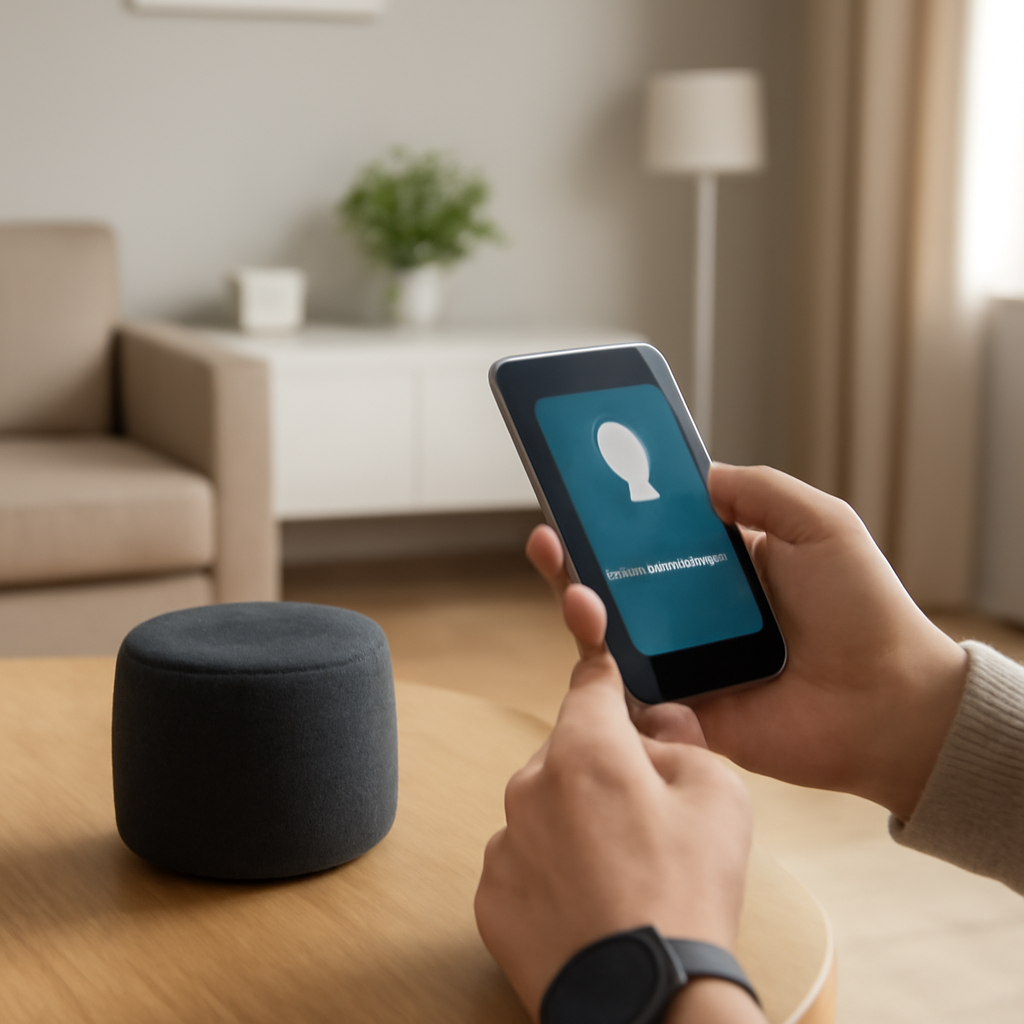
One of the biggest changes smart devices bring is convenience in the home. Smart speakers can answer questions, play music, set reminders, and control other connected devices with simple voice commands. Smart plugs and lighting systems make it easy to switch appliances on or off remotely, while smart thermostats learn patterns and adjust temperatures automatically.
These features may seem small, but they add up. Instead of repeating the same tasks every day, households can automate common routines. That means fewer interruptions and more time for things that matter. Smart home systems are also especially helpful for people with mobility challenges, busy parents, and anyone who wants a smoother daily routine.
Better Health and Personal Awareness
Wearable smart devices have changed the way many people track their health. Fitness watches and smart bands can monitor steps, heart rate, sleep patterns, and activity levels throughout the day. Some devices also send alerts when they detect irregular trends or when users have been inactive for too long.
This kind of feedback encourages people to pay closer attention to their habits. Instead of guessing whether they are getting enough movement or rest, they can see real data. Over time, that awareness can support better decisions about exercise, sleep, and stress management. While smart health devices do not replace professional care, they can help users spot patterns earlier and stay more informed.
Smarter Work and Productivity
Smart devices are also changing how people work. Laptops, tablets, smart displays, and connected calendars help users stay organized whether they are at home, in the office, or on the move. Voice assistants can schedule meetings, send reminders, and manage simple tasks hands-free, which can be useful during a busy day.
In many homes, smart technology supports remote work by improving communication and making spaces more efficient. A connected printer, a noise-canceling headset, or a smart monitor setup can make a home office feel more functional. For teams, shared cloud-connected tools help keep files, messages, and schedules in sync across different locations.
Improved Safety and Security
Another major benefit of smart devices is safety. Smart cameras, video doorbells, motion sensors, and connected locks give users more visibility over what is happening at home or in the workplace. Many systems send real-time alerts to a phone, making it possible to respond quickly if something seems unusual.
Smart smoke detectors and leak sensors can also provide early warnings that help prevent costly damage. These devices are especially valuable because they can monitor a space even when no one is there. That extra layer of awareness brings peace of mind and can make emergency response faster.
Challenges to Keep in Mind
Despite their benefits, smart devices come with a few important concerns. Privacy is one of the biggest. Because many devices collect data to function properly, users need to pay attention to app permissions, account settings, and how their information is stored. Security is another issue, since connected devices can become targets if they are not updated regularly.
There is also the risk of overdependence. When too many tasks rely on one system, a power outage, internet failure, or software glitch can interrupt daily life. For that reason, smart technology works best when it supports people rather than controls every part of their routine.
The Future of Everyday Living
The influence of smart devices will likely keep growing as technology becomes more affordable, more intuitive, and more connected. Future homes may automatically adjust lighting, temperature, and energy use based on who is present. Health devices may offer even more detailed insights, and workplaces may become more adaptive to individual needs.
Still, the biggest change may be simpler than all the advanced features: smart devices are helping people live with less friction. By handling routine tasks in the background, they free up attention for the things that matter most. In that way, smart technology is not just changing daily life. It is reshaping the experience of modern living itself.
Conclusion
Smart devices are changing everyday life by making homes more convenient, health tracking more accessible, work more efficient, and spaces safer. As adoption continues to grow, these tools will likely become even more integrated into routines. The key is to use them thoughtfully, balancing convenience with privacy and security. When used well, smart devices can make life simpler, smarter, and more connected.