
Top Technology Trends to Watch This Year
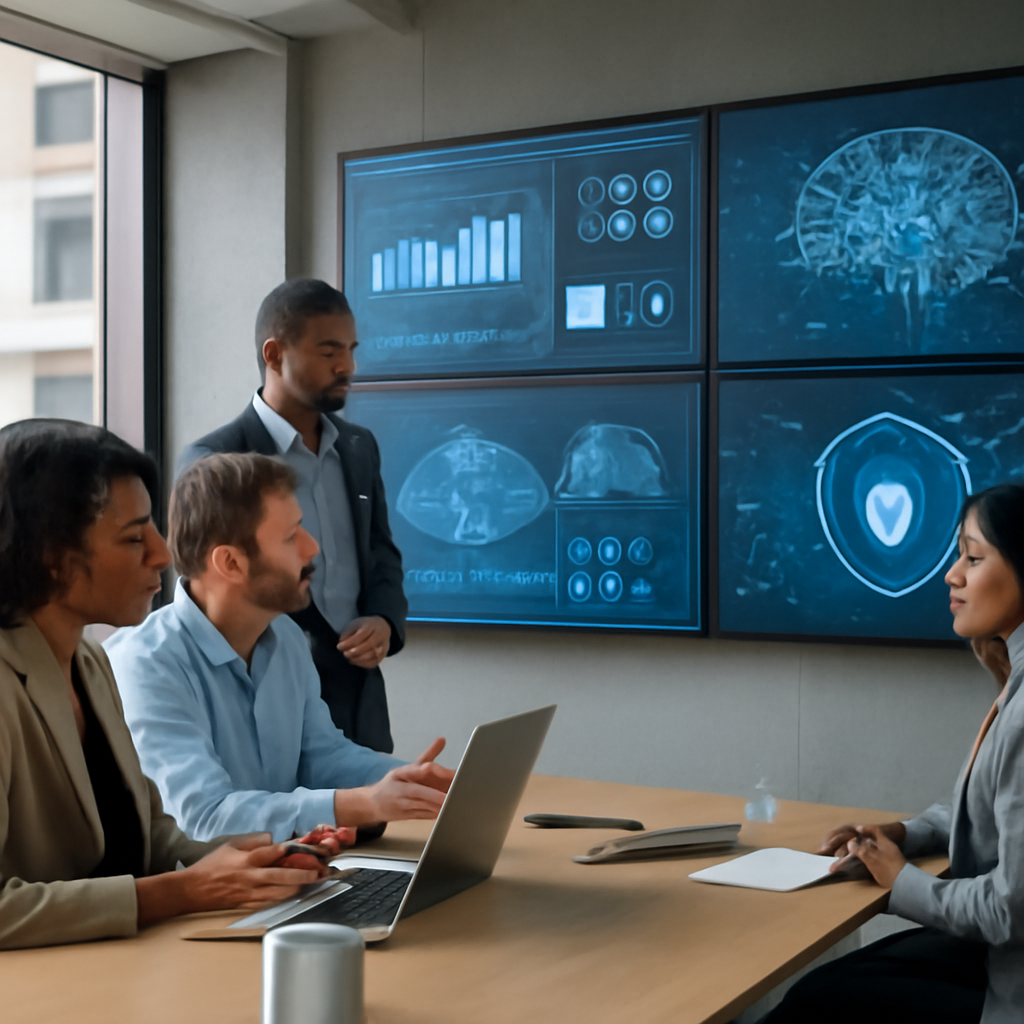
Top Technology Trends to Watch This Year
Technology is moving faster than ever, and this year is shaping up to be another major turning point for businesses and everyday users alike. From smarter AI tools to stronger security systems and more connected devices, the biggest trends are not just changing how we work—they are changing what is possible. Whether you are a business leader, a developer, or simply curious about what comes next, understanding these shifts can help you stay ahead.
1. Artificial Intelligence Becomes More Practical
Artificial intelligence is no longer just a buzzword. This year, the focus is shifting from experimentation to practical use. Companies are using AI to improve customer service, automate repetitive tasks, summarize information, and support decision-making. Generative AI is also becoming more useful in content creation, coding, design, and workflow optimization.
What makes this trend especially important is accessibility. AI tools are becoming easier to use, more affordable, and more integrated into everyday software. That means smaller businesses and individual professionals can now benefit from capabilities that once required large teams and budgets.
2. Cybersecurity Takes Center Stage
As digital systems become more advanced, cyber threats are becoming more sophisticated too. Organizations are investing heavily in stronger security tools, including zero-trust architecture, multi-factor authentication, identity protection, and AI-powered threat detection.
This year, cybersecurity is less of an IT-only issue and more of a business-wide priority. Remote work, cloud platforms, and connected devices all expand the attack surface, making security awareness essential at every level. Expect more focus on data privacy, employee training, and rapid incident response.
3. Cloud and Edge Computing Grow Together
Cloud computing continues to be the foundation of modern digital infrastructure, but edge computing is gaining momentum. Instead of sending all data to a central cloud server, edge computing processes information closer to where it is created. This is especially valuable for smart factories, healthcare devices, autonomous systems, and real-time analytics.
The combination of cloud and edge gives companies more flexibility, faster performance, and better scalability. It also supports applications that need low latency and high reliability, which is critical in industries where every second matters.
4. Automation Expands Across Industries
Automation is no longer limited to manufacturing lines. Today, businesses are automating everything from invoice processing and customer support to inventory management and scheduling. The goal is not only to reduce costs, but also to improve accuracy, speed, and consistency.
This year, expect automation tools to become more intelligent and more connected to other systems. When paired with AI, automation can handle more complex tasks and free up human teams for strategic, creative, and relationship-driven work.
5. Immersive Technologies Find Real-World Uses
Virtual reality, augmented reality, and mixed reality are moving beyond entertainment and into practical applications. Retailers are using immersive tools for virtual product previews, educators are creating interactive learning environments, and healthcare providers are exploring training and therapy use cases.
These technologies are becoming more believable, more comfortable, and more useful. As hardware improves and software becomes more polished, immersive experiences are finding a wider audience in both consumer and professional settings.
6. Data-Driven Decision-Making Gets Smarter
Data has always been important, but this year the emphasis is on turning data into action more quickly. Businesses are using advanced analytics, real-time dashboards, and predictive models to guide decisions with greater confidence.
The key trend here is not just collecting more data, but making it more meaningful. Organizations that can clean, organize, and interpret their data well will be in a stronger position to respond to market changes, customer needs, and operational risks.
7. Sustainable Technology Gains Momentum
Environmental concerns are influencing technology strategy more than ever. Companies are looking for energy-efficient data centers, lower-emission hardware, and software systems that reduce waste and improve resource use. Sustainability is becoming both a business goal and a competitive advantage.
Consumers are also paying closer attention to how products are made, powered, and recycled. As a result, more tech companies are building sustainability into product design, supply chains, and long-term planning.
What These Trends Mean for You
The most important takeaway is that technology is becoming more integrated, more intelligent, and more practical. The winners this year will be the people and organizations that adapt quickly, invest in the right tools, and focus on solving real problems rather than chasing hype.
If you are planning for the year ahead, start by identifying where these trends can create value in your work or business. Small steps now can lead to major advantages later.
- Use AI to save time on repetitive tasks.
- Strengthen cybersecurity across all devices and teams.
- Explore cloud, edge, and automation opportunities.
- Focus on data quality and actionable insights.
- Look for tech choices that support sustainability.