
How to Get Clear Skin Naturally at Home
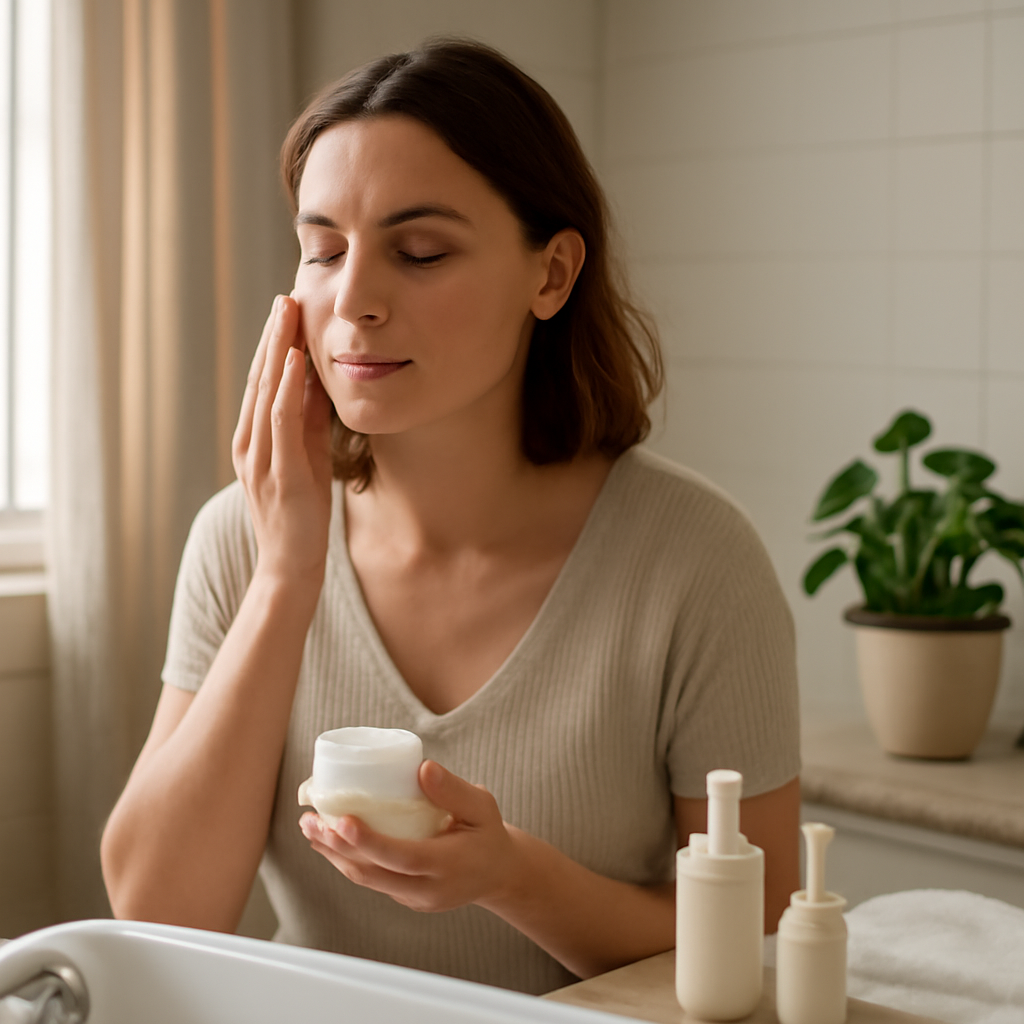
How to Get Clear Skin Naturally at Home
Clear skin is not about chasing perfection or using a dozen products at once. In many cases, a calmer routine, better daily habits, and a few natural supports at home can make a noticeable difference. If you struggle with occasional breakouts, dullness, or skin that feels irritated, the best approach is usually simple, consistent, and gentle.
Natural skin care works best when it supports the skin barrier instead of stripping it. That means focusing on cleansing, hydration, nutrition, sleep, and habits that reduce irritation. Here is a practical home routine that can help you improve your skin naturally over time.
Start with a Gentle Cleansing Routine
The first step to clearer skin is removing dirt, sweat, and excess oil without over-washing. Cleansing too often or using harsh soaps can dry out the skin and trigger more irritation, which may lead to more breakouts.
- Wash your face twice a day with a mild cleanser.
- Use lukewarm water instead of hot water.
- Pat your skin dry with a clean towel rather than rubbing.
If your skin feels tight after washing, your cleanser may be too harsh. Look for fragrance-free, gentle formulas designed for your skin type.
Keep Skin Hydrated
Many people with breakouts skip moisturizer, but dehydrated skin can become stressed and more reactive. A lightweight, non-comedogenic moisturizer can help maintain the skin barrier and reduce the chance of irritation.
Drinking enough water also supports overall health, though it is not a miracle cure for acne. The goal is to pair hydration with a routine that protects the skin’s natural balance.
Use Simple Natural Ingredients Carefully
Some natural ingredients may help soothe skin when used correctly. However, “natural” does not always mean safe for every skin type. Always patch test new ingredients on a small area before applying them to your face.
- Aloe vera: May help calm redness and irritation.
- Green tea: Contains antioxidants and may support oil control.
- Honey: Can be soothing and is often used in gentle face masks.
- Oatmeal: May help relieve dryness and sensitivity.
Avoid applying lemon juice, baking soda, or undiluted essential oils to the skin. These can be overly irritating and may damage the skin barrier.
Pay Attention to Diet and Daily Habits
What you eat can influence your skin, especially if certain foods seem to trigger flare-ups. A balanced diet that includes vegetables, fruit, healthy fats, and lean protein supports skin health from the inside out.
Many people also find it helpful to reduce highly processed foods and sugary snacks, especially if breakouts seem worse after eating them. While everyone is different, observing patterns can help you identify your personal triggers.
Other habits matter too. Touching your face frequently, not washing pillowcases often enough, and using dirty makeup brushes can all contribute to clogged pores and irritation.
- Change pillowcases regularly.
- Clean makeup brushes and phone screens.
- Avoid picking or squeezing pimples.
Support Your Skin with Sleep and Stress Management
Stress can affect hormones and inflammation, both of which may influence breakouts. Poor sleep may also make skin look dull and tired. A clear-skin routine should include rest, because skin repairs itself overnight.
Try creating a simple nighttime routine that helps you unwind. Even small changes, such as going to bed at a consistent time, limiting late-night screen use, or practicing deep breathing, can support healthier skin over time.
Protect Skin from Sun and Environmental Damage
Sun exposure can worsen redness, dry out the skin, and make post-acne marks more noticeable. Even if you are trying to keep your routine natural, sunscreen is still an important daily step.
Choose a broad-spectrum sunscreen that works for your skin type and apply it every morning. This helps protect the skin barrier and keeps healing skin from becoming more irritated.
When to See a Dermatologist
Natural care can help with mild skin concerns, but persistent acne, painful cysts, or sudden flare-ups may need professional treatment. If your skin is not improving after several weeks of consistent care, or if your breakouts are affecting your confidence, a dermatologist can help identify the cause and recommend effective options.
The best way to get clear skin naturally at home is to stay patient and consistent. Gentle cleansing, smart hydration, soothing ingredients, healthy habits, and enough rest can all support a cleaner, calmer complexion. Small changes add up, and with time, your skin may begin to look healthier and more balanced.