
How to Dress Better: Simple Fashion Tips for Beginners
How to Dress Better: Simple Fashion Tips for Beginners
Dressing well does not mean buying expensive clothes or following every trend. For most people, looking better comes down to a few practical habits: wearing clothes that fit, choosing simple pieces that work together, and paying attention to details. If you are just starting to improve your style, the good news is that you do not need a full wardrobe overhaul. A few smart changes can make a big difference right away.
Start with Fit, Not Trends
The fastest way to look more polished is to wear clothes that fit your body properly. Even basic pieces look better when the shoulders sit correctly, pants are the right length, and shirts do not pull or sag in awkward places. Fit affects how confident and put-together you appear more than brand names or fashion labels.
If something is close to right but not perfect, a tailor can often make it much better. Small adjustments to sleeve length, waist size, or pant hems can transform the way an item looks. Beginners often overlook tailoring, but it is one of the simplest ways to improve style.
Build a Wardrobe Around Basics
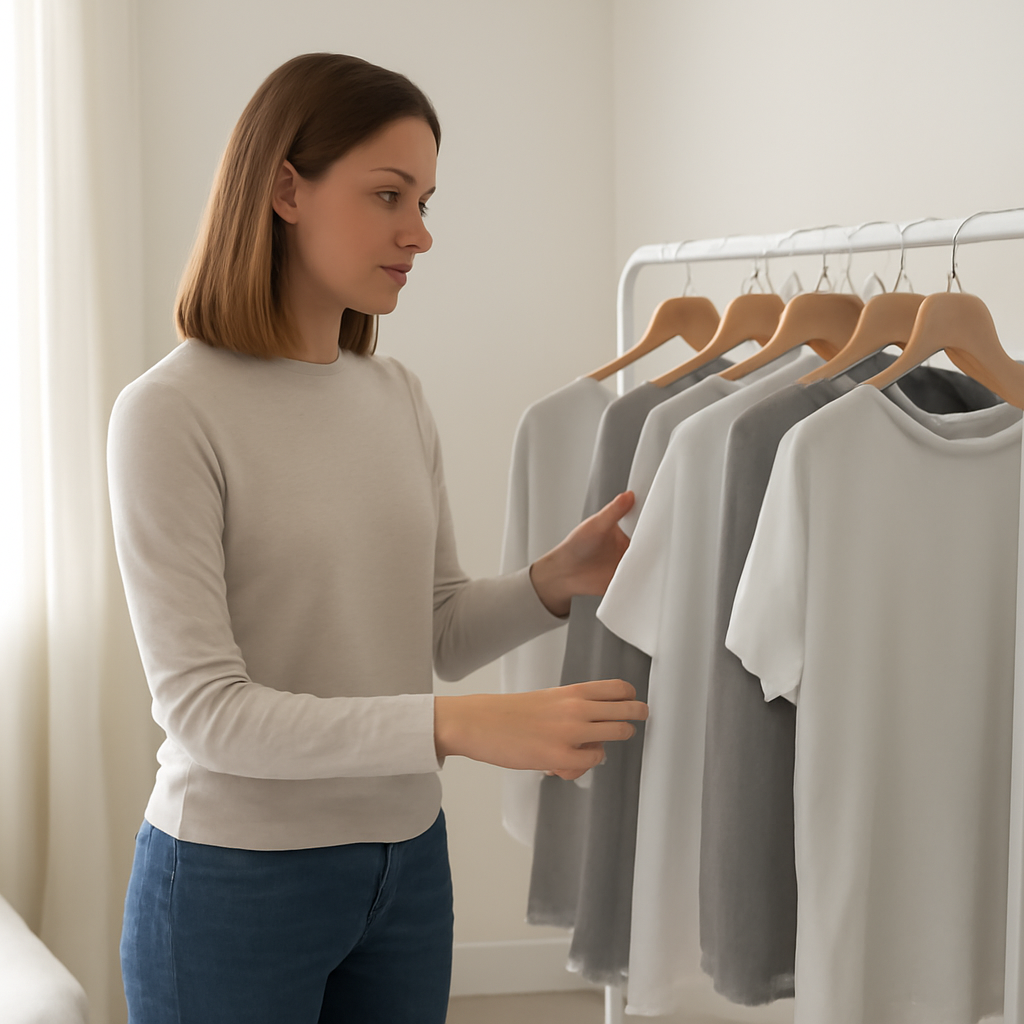
When you are learning how to dress better, focus on versatile basics first. These are the pieces you can wear in many different combinations. A strong foundation makes getting dressed easier and helps you avoid the feeling that you have “nothing to wear.”
Useful beginner basics include:
- Plain t-shirts in neutral colors
- A well-fitting pair of jeans
- Simple button-down shirts
- A clean sweater or cardigan
- Casual and slightly dressier shoes
- A jacket that matches most outfits
Choose items that are simple, comfortable, and easy to combine. Once you have a reliable base, you can slowly add more personal pieces like textured fabrics, patterns, or stronger colors.
Stick to Easy Color Combinations
Color can make outfits look coordinated or chaotic. For beginners, a neutral palette is the safest place to start. Colors like black, white, gray, navy, beige, and olive usually work well together and are easy to mix. You do not need to wear only neutrals, but using them as your foundation makes styling much easier.
If you want to add color, try one accent item at a time. For example, keep the rest of the outfit simple and add a colored shirt, scarf, or jacket. This approach helps you experiment without feeling overwhelmed. A good rule is to avoid using too many bright colors in one outfit unless you are confident about how they work together.
Pay Attention to Shoes and Accessories
Shoes are one of the first things people notice, and they can affect the whole look of an outfit. Clean, simple shoes often improve even a basic outfit. On the other hand, worn-out or mismatched shoes can make everything else look less intentional.
Accessories should support your outfit, not compete with it. A watch, belt, bag, or necklace can add personality, but it is best to keep things simple at first. Choose one or two accessories rather than wearing too many at once. This creates a cleaner, more balanced look.
Keep Clothes Clean, Ironed, and in Good Shape
Good style is not only about what you wear but also how you take care of it. Wrinkled, stained, stretched, or faded clothes can make an outfit look sloppy even if the pieces themselves are nice. Washing clothes properly, folding or hanging them correctly, and replacing worn items when needed are all part of dressing better.
If an outfit feels off, check the details. Is the shirt wrinkled? Are the shoes dirty? Is the collar twisted? These small issues are easy to fix and often make a surprising difference.
Dress for the Occasion
One of the most important beginner fashion skills is understanding the setting. The best outfit is not always the most stylish one; it is the one that fits the occasion. A casual lunch, a job interview, a date, and a weekend trip all call for different levels of formality.
If you are unsure, it is usually better to be slightly overdressed than too casual. That does not mean wearing something uncomfortable or flashy. It simply means choosing a cleaner, more polished version of casual clothes. Observing what other people wear in similar settings can also help you make better choices.
Find a Simple Personal Style
Once you understand the basics, start paying attention to what you actually enjoy wearing. Your personal style does not need to be complicated. It can be as simple as “clean and classic,” “relaxed and sporty,” or “minimal and modern.” The goal is to look like yourself, but more intentional.
Try noticing which outfits make you feel confident, which colors suit you, and which silhouettes you reach for most often. Over time, these patterns reveal your personal style. When you know what works, shopping becomes easier and your wardrobe becomes more consistent.
Final Thoughts
Learning how to dress better is really about making a few smart, repeatable choices. Focus on fit, choose simple basics, keep your clothes in good condition, and dress for the situation. With practice, you will develop a style that feels natural and looks better without requiring a lot of effort. The best fashion tip for beginners is simple: start small, stay consistent, and build from there.