
Best High-Fiber Foods to Boost Digestion and Strengthen Gut Health
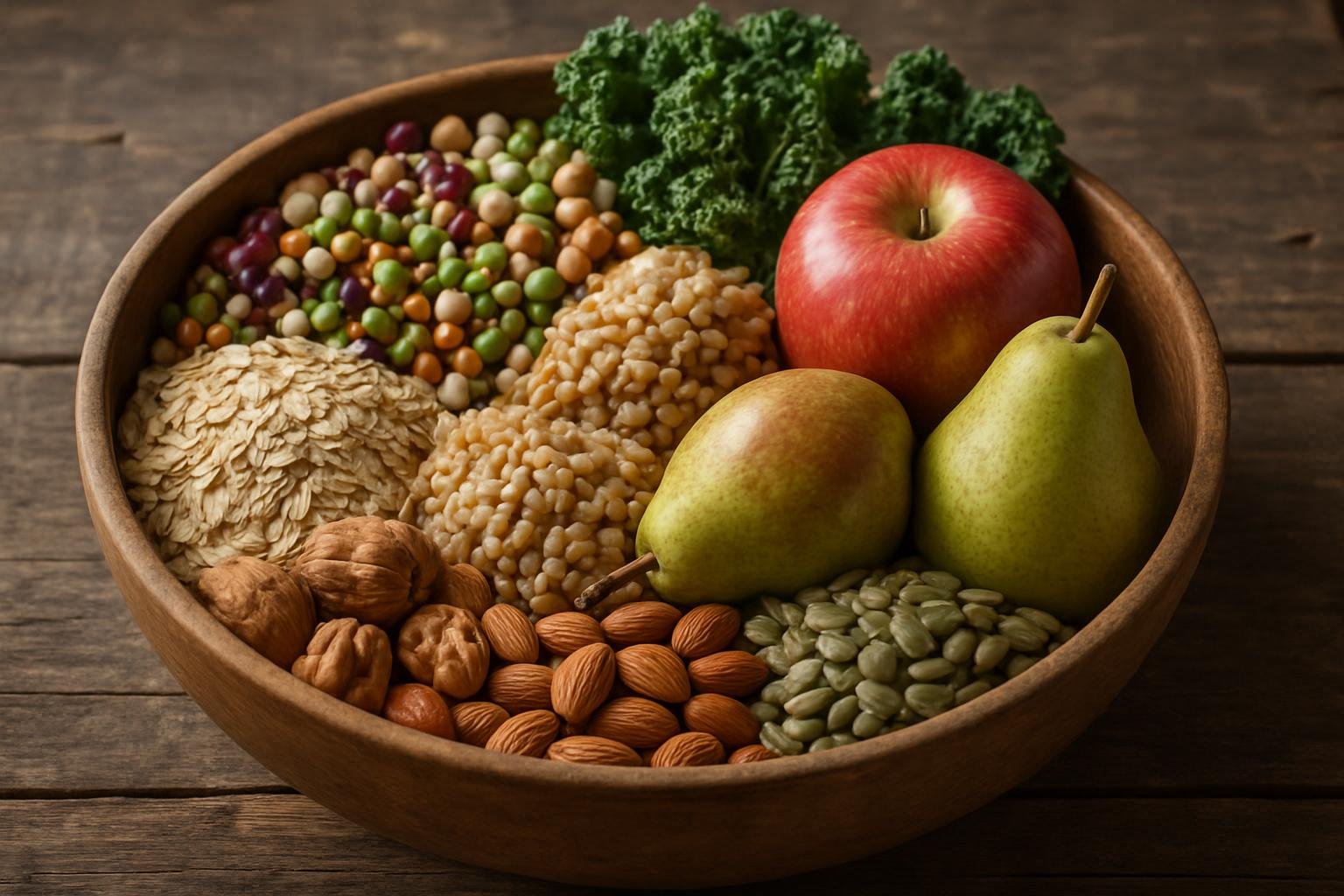
Best High-Fiber Foods to Boost Digestion and Strengthen Gut Health
In today’s nutrition landscape, fiber often takes a backseat to flashier diet trends and superfoods. Yet, fiber remains one of the most foundational components for maintaining a healthy digestive system and promoting robust gut health. Understanding which foods deliver fiber effectively—and how they contribute to wellness—allows us to make informed choices catering to both our comfort and long-term health.
Why Fiber Deserves a Prime Spot on Your Plate
Dietary fiber is the indigestible part of plant foods that travels through the digestive tract almost intact. There, it plays a vital role: regulating bowel movements, feeding beneficial gut bacteria, and even modulating blood sugar and cholesterol levels. The benefits extend beyond digestion. Fiber intake correlates with reduced risks of chronic conditions such as heart disease, type 2 diabetes, and certain cancers.
Despite these compelling reasons, a significant portion of the population falls short of recommended daily fiber consumption, usually between 25 to 30 grams. Boosting fiber intake naturally through whole foods is the most sustainable and healthful approach.
Top High-Fiber Foods to Incorporate
1. Legumes: Powerhouses of Soluble Fiber
Beans, lentils, chickpeas, and peas offer an impressive fiber punch. Their soluble fiber forms a gel-like substance in the gut, which slows digestion and helps regulate blood sugar spikes. Moreover, legumes are rich in resistant starches that ferment in the colon, nurturing beneficial microbes essential for gut integrity.
2. Whole Grains: Sustained Energy and Gut Support
Opt for whole grains such as brown rice, oats, barley, and quinoa instead of refined counterparts. These grains retain bran and germ layers, delivering both soluble and insoluble fiber. Insoluble fiber adds bulk to stools and promotes regularity, helping prevent constipation and supporting a balanced microbiome.
3. Fruits: Naturally Sweet and Fiber-Rich
Fruits like apples, pears, berries, and oranges are not only delicious but also loaded with fiber—particularly in their skins and pulp. They provide both soluble and insoluble fibers alongside flavonoids and antioxidants, which together encourage digestive motility and reduce inflammation.
4. Vegetables: The Everyday Digestive Allies
Cruciferous vegetables such as broccoli, Brussels sprouts, and kale contain excellent fiber content and beneficial compounds that support microbial diversity. Root vegetables like carrots and sweet potatoes also offer substantial fiber while adding vital nutrients to your meals.
5. Nuts and Seeds: Small But Fiber-Rich
While often underemphasized, nuts and seeds deliver significant fiber in small servings. Chia seeds and flaxseeds are particularly notable, providing both insoluble fiber and omega-3 fatty acids, which together enhance gut lining health and reduce inflammation.
Incorporating Fiber: Practical Tips for Everyday Eating
Transitioning to a fiber-rich diet should be thoughtful to avoid digestive discomfort. Gradually increase fiber intake and pair it with plenty of fluids to ease digestion. Diversify your fiber sources to reap the benefits of both soluble and insoluble fiber along with prebiotics that sustain gut flora.
Start with simple swaps: replace white rice with brown rice, choose whole-grain bread, add a handful of nuts or seeds to salads or smoothies, and experiment with legumes in soups or stews. Snacking on fresh fruit instead of processed options further supports fiber goals.
Expert Takeaway
The intricate relationship between fiber and gut health underscores the necessity of a balanced, plant-rich diet. While supplements can augment intake when necessary, whole foods remain unparalleled in delivering fiber alongside complementary nutrients and phytochemicals. Prioritizing a variety of high-fiber foods feeds your microbiome, supports digestion, and fosters lasting health benefits.
Conclusion
High-fiber foods are indispensable for better digestion, gut health, and overall wellbeing. By thoughtfully incorporating legumes, whole grains, fruits, vegetables, nuts, and seeds into daily meals, individuals can optimize their digestive function and safeguard against chronic illnesses. This timeless nutritional wisdom continues to hold true and offers practical, achievable steps toward vibrant health.