
Comfort Food Recipes That Truly Capture Homemade Warmth
Comfort Food Recipes That Truly Capture Homemade Warmth
In a world that moves faster each day, comfort food endures as a culinary anchor, offering not just sustenance but a return to simpler, more heartfelt moments. Yet, in an age saturated with convenience foods and restaurant delivery, what does it mean for a recipe to “feel homemade”? Comfort food is as much about emotional resonance as it is about flavor and technique. This article explores how authentic, approachable recipes can bridge the gap between nostalgia and everyday cooking, delivering meals that feel both familiar and deeply satisfying.
The Essence of Homemade Comfort Food
At its core, homemade comfort food conjures images of family kitchens where care, tradition, and time matter. It’s less about complexity and more about the harmony of flavors stirred by hands invested in the process. The best comfort food recipes avoid overcomplication — their beauty lies in simplicity, balanced seasoning, and textures that invite pause and appreciation.
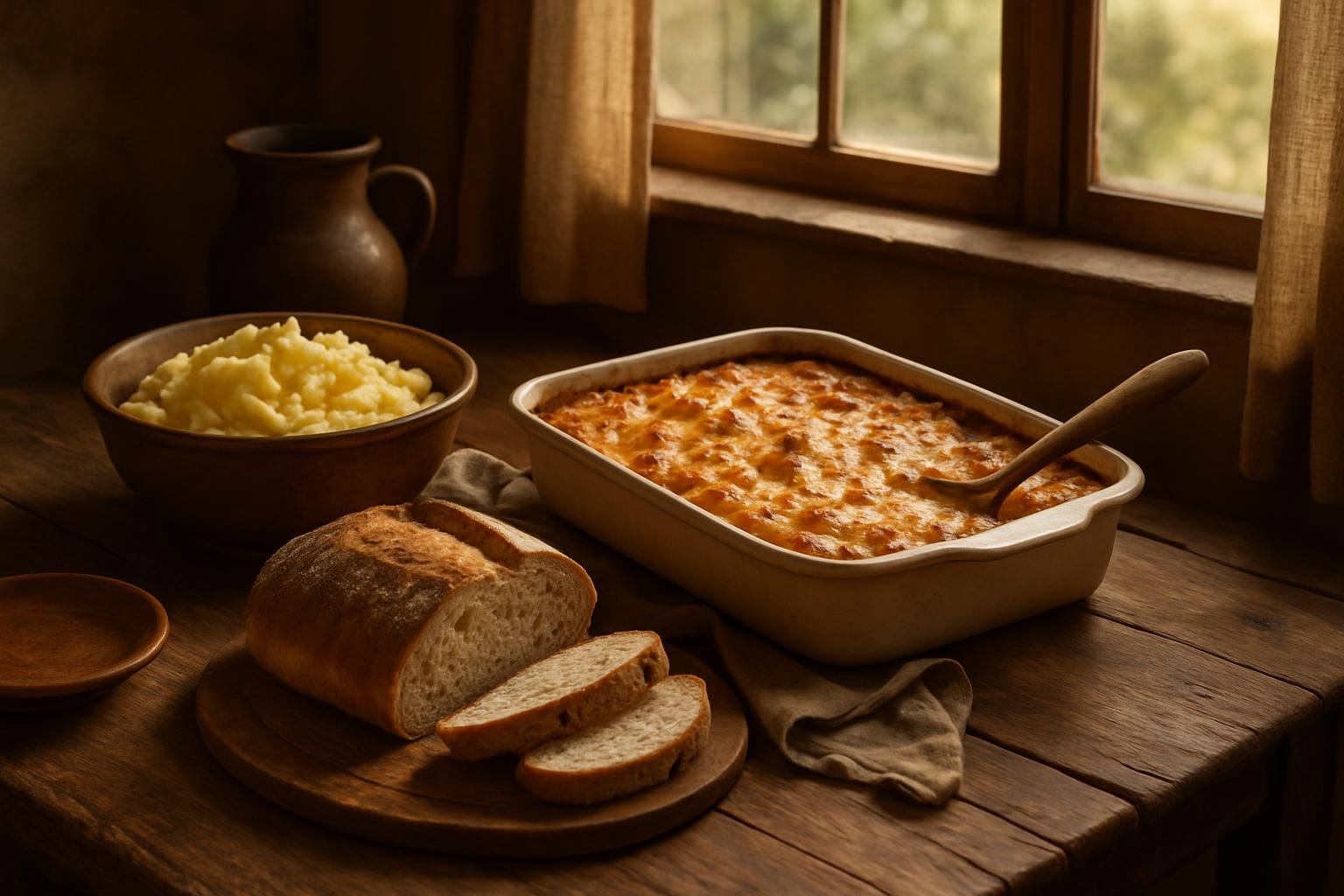
Classic examples like slow-cooked stews, creamy mashed potatoes, or hearty casseroles owe their lasting popularity to this essence. They are accessible, making use of pantry staples and affordable ingredients, yet flexible enough to absorb personal touches.
Balancing Tradition and Modern Palates
While tradition anchors comfort food, adapting recipes to contemporary tastes and nutritional awareness is crucial. The hallmark of a successful homemade recipe is its ability to honor its roots without being rigid. For instance, incorporating seasonal vegetables or experimenting with spices can rejuvenate a dish while retaining its signature warmth.
Moreover, addressing diverse dietary needs—gluten-free, vegetarian, low sodium—without sacrificing authenticity is possible through careful ingredient substitutions. This adaptability extends the reach of comfort food, inviting all to partake in the reassurance that homemade meals provide.
Techniques That Enhance the Homemade Feel
Replicating the genuine homemade experience is often about technique as much as ingredients. Slow cooking methods like braising or simmering deepen flavors and tenderize proteins, producing that inviting, melt-in-the-mouth sensation associated with comfort meals.
Similarly, attention to textures—achieved through roasting, gentle folding, or layering—gives dishes a tactile richness that appeals to the senses. The comforting aroma during cooking also plays an intangible role, setting expectations for the meal’s forthcoming gratification.
Practical Takeaways for Home Cooks
- Keep it simple: Embrace familiar ingredients and straightforward methods that build depth without overwhelm.
- Personalize thoughtfully: Small tweaks like fresh herbs or a splash of acid can refresh a classic dish without losing its soul.
- Cook with intent: Allocate time for slow cooking or resting, essential steps that enhance flavor and texture.
- Make it nourishing: Balance indulgence with nutrition by adding vegetables, opting for whole grains, or reducing excess salt or fats.
Conclusion: The Enduring Appeal of Homemade Comfort Food
Comfort food’s power lies in its ability to evoke feelings of security, care, and belonging. Recipes that feel homemade invite us into that space, offering more than calories—they deliver a sensory embrace. By focusing on tradition, tasteful innovation, and mindful techniques, home cooks can create meals that resonate deeply, turning everyday dining into a nurturing ritual.
In embracing the homemade comfort food approach, we reclaim not just flavors but the values of patience, presence, and love that transform cooking from a task to a treasured experience.