
Crafting Budget-Friendly Recipes Using Simple Ingredients: A Practical Guide
In an era where food costs seem to rise relentlessly, cooking on a budget has shifted from a necessity to a desirable skill set. The allure of gourmet meals is undeniable, but the reality for many home cooks is tight budgets and limited pantry options. Fortunately, the intersection of frugality and flavor is wider than one might assume. This article explores how simple, inexpensive ingredients can be elevated into satisfying meals that nourish both pocket and palate.
The Value of Simplicity in Kitchen Staples
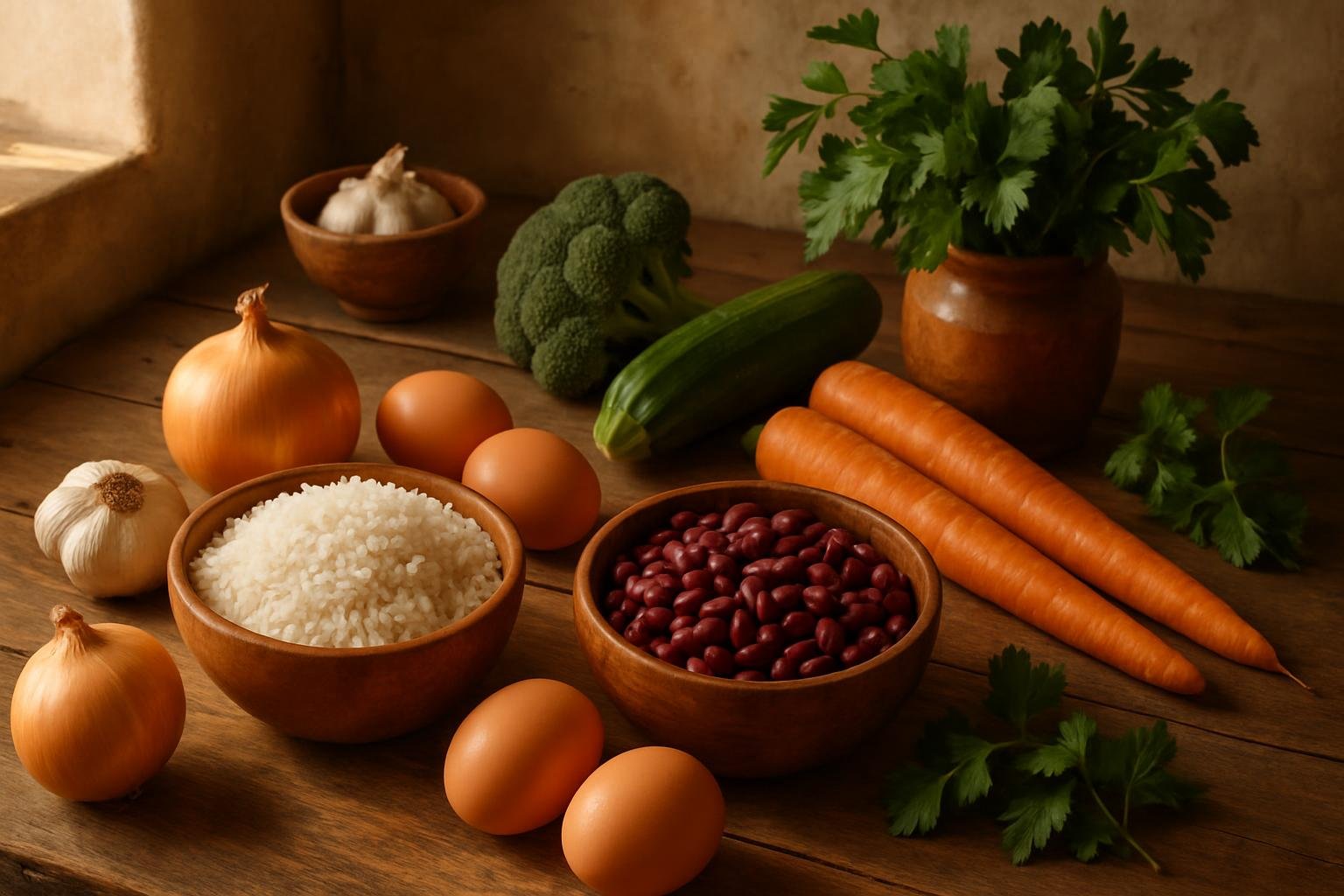
When we consider budget-friendly cooking, the first instinct might be to avoid complexity. Yet, simple does not necessarily mean dull or repetitive. Basic ingredients like rice, beans, eggs, and seasonal vegetables are nutritional powerhouses and remarkably versatile. Their affordability is an advantage, but what truly maximizes their value is the creativity applied in preparation.
Grains, for instance, are foundational: they provide bulk and energy. Paired with legumes, they deliver a complete protein source, making dishes both hearty and healthful. This pairing is a classic example of how simplicity underpins both cost-effectiveness and nutrition.
Smart Ingredient Selection and Planning
Budget-conscious cooking is as much about planning as it is about the cooking itself. Successful recipes start with deliberate ingredient selection—favoring those that offer multiple uses across meals. For example, onions and garlic serve as flavor bases in countless dishes, while a bag of frozen mixed vegetables can cover a variety of culinary contexts.
Seasonal produce not only reduces expenses but also enhances flavor profiles. Markets and local grocery stores often have deals on fresh, in-season items that surpass out-of-season imports in both quality and price, encouraging variety in everyday cooking.
Creative Techniques to Amplify Flavors
Utilizing simple ingredients doesn’t mean settling for bland meals. Techniques such as roasting, caramelizing, and slow simmering can transform basic components into complex flavors. Roasting root vegetables, for example, intensifies their natural sweetness, while slow-cooked stews marry different elements, creating warming, satisfying results that linger.
Herbs and spices play an essential role in this process. They don’t need to cost much, especially when bought in bulk or cultivated at home, but their impact on dishes is profound—turning the ordinary into the extraordinary.
Practical Takeaways for Everyday Cooking
For anyone looking to embrace budget-friendly cooking with simple ingredients, a few practical strategies can yield immediate benefits. First, keep the kitchen stocked with versatile staples that serve as a foundation. Second, plan meals around what’s affordable and accessible in the current market. Third, embrace cooking methods that enhance flavor without requiring extravagant components or time commitments.
Furthermore, home cooks should consider meal prepping and batch cooking, which can reduce waste and save money over time. Leftovers are not necessarily the enemy of culinary creativity; they can be reimagined into new dishes, stretching resources even further.
Conclusion: Elevating Everyday Meals Through Thoughtful Simplicity
Ultimately, budget-friendly cooking using simple ingredients is about more than just economizing; it’s an exercise in creativity, resourcefulness, and mindful eating. By selecting foundational ingredients carefully, applying skillful techniques, and planning effectively, home cooks can produce meals that satisfy on financial, nutritional, and sensory levels. This approach democratizes good food, reminding us all that fiscal constraints do not have to compromise quality or enjoyment at the dinner table.
Embracing simplicity in ingredients opens the door to endless culinary possibilities. It challenges cooks to look beyond the allure of complexity and find richness in restraint—transforming modest pantry items into meals that are as economical as they are enjoyable.