
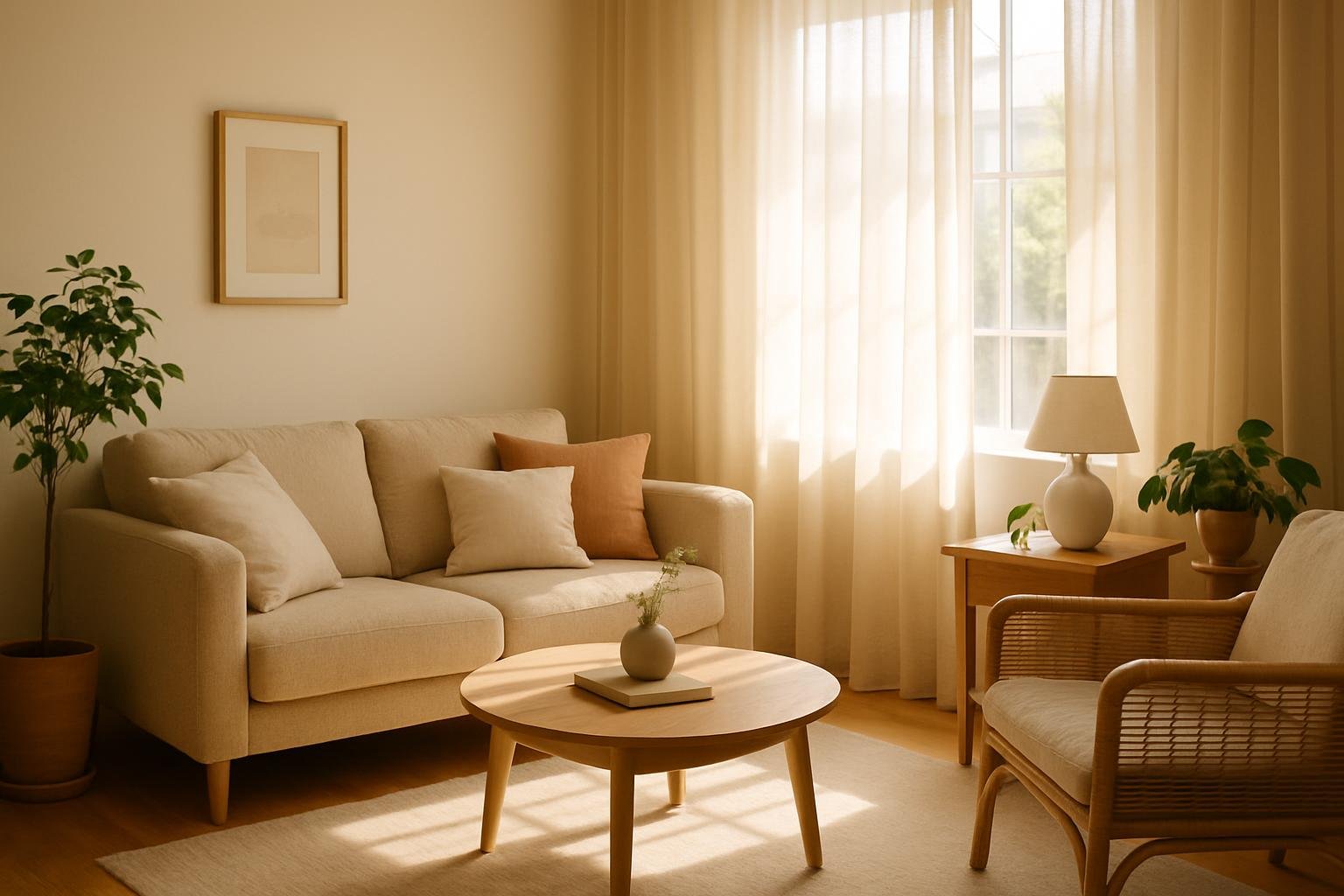
Creating Comfort and Calm: How to Transform Your Home Into a Peaceful Sanctuary
In today’s fast-paced world, the home should serve as a refuge, a place where comfort and peace prevail. Yet, many of us find our living spaces cluttered, noisy, or simply uninspiring. How can we intentionally design a home environment that nurtures calm and offers genuine comfort? The answer lies not just in aesthetics but in mindful choices that balance function, feel, and flow.
Understanding What Comfort and Peace Mean in a Home
Comfort and peace are deeply personal yet universally sought. Comfort involves physical ease and pleasure; peace relates to mental stillness and relaxation. A home that successfully marries these elements can improve wellbeing, reduce stress, and invite restorative rest.
It’s crucial to acknowledge that comfort extends beyond plush furnishings or soft lighting — it’s about creating spaces that resonate with your lifestyle and emotional needs. Similarly, peace entails more than silence; it is about minimizing distractions, organizing spaces efficiently, and fostering a sense of control over your environment.
Practical Steps to Enhance Comfort
First, invest in the essentials that promote physical comfort. High-quality seating, supportive mattresses, and soft textiles can transform daily routines. Layering textures—like cozy throws, woven rugs, and cushioned pillows—adds depth and tactile pleasure, encouraging relaxation.
Lighting profoundly influences comfort levels. Incorporate multiple light sources within a room—overhead, task, and ambient lighting—to create warmth and adaptability. Choosing adjustable, warm-hued lights over harsh fluorescents reduces eye strain and encourages unwinding.
Designing for Peace and Mindfulness
Decluttering is often the underrated hero in cultivating peace. A tidy, organized home eliminates visual chaos, helping to clear the mind. Invest time in systems that keep things orderly—whether modular storage, labeled containers, or designated drop zones for everyday items.
With color psychology, opt for soothing palettes like soft blues, muted greens, or warm neutrals to instill calm and encourage a tranquil mood throughout your home. These hues subtly impact emotions and help anchor a peaceful atmosphere.
Integrating natural elements also nurtures a peaceful environment. Houseplants improve air quality and provide a connection to nature, which improves mental clarity and lowers anxiety. Natural woods and stone can be used in furnishings and decorative accents to ground the space further.
The Role of Layout and Space Flow
How space is arranged shapes how you experience your home. Prioritize open, uncluttered pathways that encourage movement without obstruction. Create designated zones for work, relaxation, and socializing to mentally and physically separate functions, preventing the feeling of overwhelm.
Consider noise management as well—soft fabrics, thick curtains, and strategically placed furniture help absorb sounds. White noise machines or calming music can mask disruptive environmental noise, reinforcing a peaceful ambiance.
Personalizing With Intent
A home that feels peaceful is one that feels personal. Incorporate meaningful artwork, treasured mementos, and curated items that bring joy or comfort without overcrowding. Intentionality in decoration reminds us that these spaces are deeply ours, fostering emotional attachment and satisfaction.
Regularly reassess your space to align it with evolving needs and preferences. Peace is not static; your environment must grow with you to maintain its restorative qualities.
Conclusion: The Continuous Journey Toward Comfort and Peace
Transforming a home into a haven of comfort and peace is both an art and a science. It requires thoughtful selection of physical comforts, deliberate organization, calming aesthetics, and flow-conscious design. Above all, it demands mindful attention to how spaces affect your emotional state.
By embracing these principles, your home can become a daily sanctuary—one that welcomes you with warmth, quietude, and support no matter what challenges lie beyond its doors.