
Designing a Lifestyle Rooted in Peace, Energy, and Focus: A Strategic Approach
In an age dominated by constant stimulation and relentless demands, crafting a lifestyle that harmonizes peace, energy, and focus becomes not just desirable but essential. Achieving this balance is less about adhering to a rigid formula and more about intentional choices that align daily living with personal values and well-being. This article explores how to design such a lifestyle, offering an analytical look and practical insights for those seeking to reclaim control over their time and mental landscape.
Understanding the Triad: Peace, Energy, and Focus
Before diving into strategic recommendations, it’s crucial to define these three foundational elements. Peace refers to a state of internal calm and contentment that acts as an antidote to stress and chaos. Energy is the physical and mental vitality that fuels actions throughout the day. Focus is the cognitive clarity and concentration necessary to navigate tasks and challenges effectively.
These elements are deeply interconnected; peace fosters restful recovery, which replenishes energy. Energy, in turn, enables sustained focus, while focus helps in reducing mental clutter, contributing to peace. Recognizing this cyclical relationship lays the groundwork for a thoughtful lifestyle redesign.
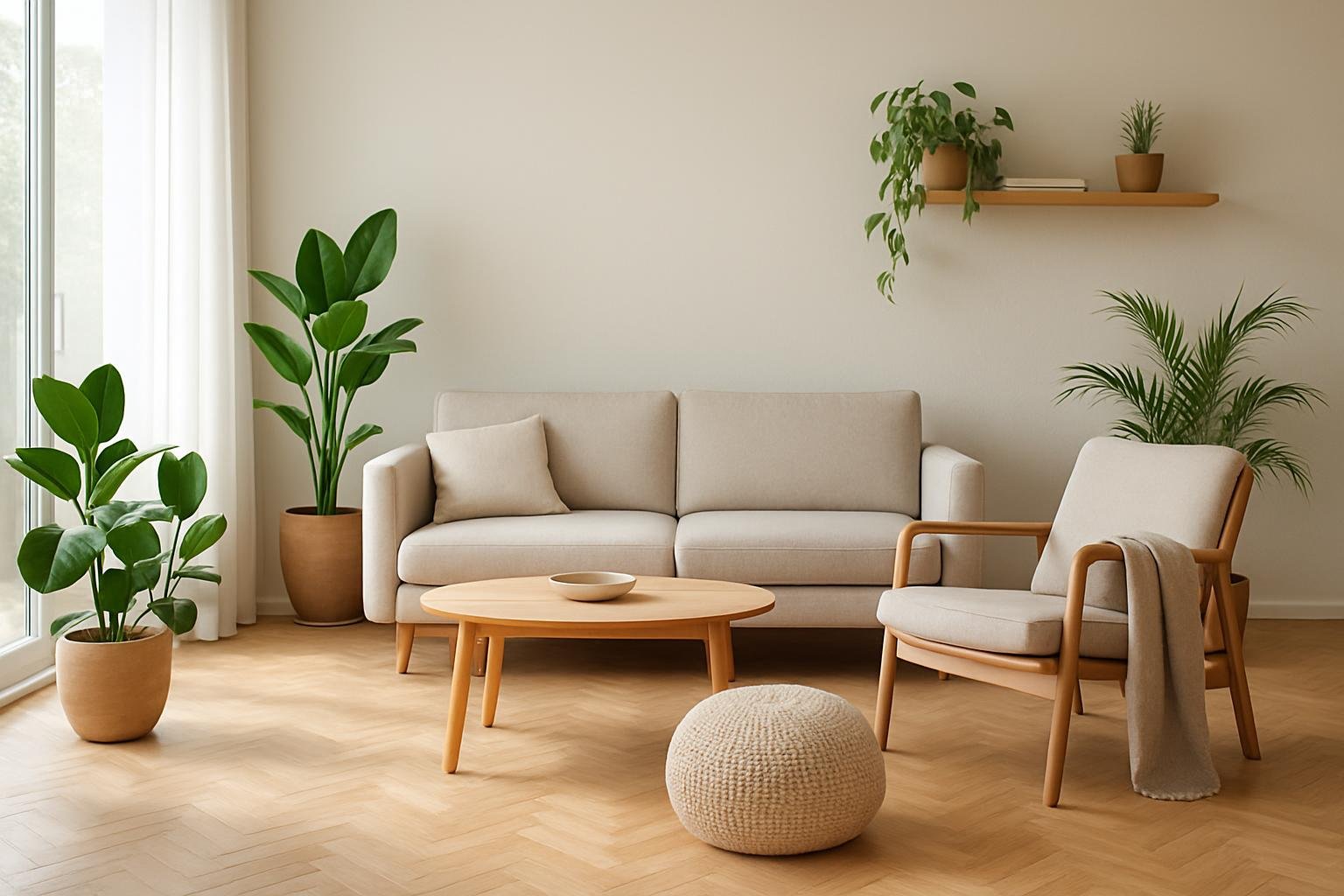
Intentional Environment Design
Our surroundings significantly influence our mental and emotional states. To foster peace, energy, and focus, one must cultivate spaces that encourage these qualities.
- Declutter Regularly: A clean and organized environment minimizes distractions, promoting clarity and calmness.
- Optimize Natural Light: Exposure to daylight supports circadian rhythms, bolstering energy levels and mood.
- Create Zones: Designate specific areas for work, relaxation, and physical activity, helping the mind associate spaces with particular states.
Prioritizing Restorative Practices
Restoration is the linchpin of maintaining peace and replenishing energy. Incorporating intentional restorative practices is integral.
- Mindful Meditation: Even brief daily meditation sessions reduce stress and cultivate inner peace.
- Quality Sleep Hygiene: Establishing consistent sleep routines ensures the body and mind recuperate, maintaining energy and cognitive function.
- Nature Immersion: Time in natural settings enhances tranquility and refreshes mental capacities.
Nourishment Aligned with Vitality
What we consume directly impacts our energy and mental clarity. Nutrition tailored to sustain energy and support brain function is vital.
- Whole Foods: Emphasize minimally processed foods rich in nutrients.
- Hydration: Adequate fluid intake supports cellular function and concentration.
- Balanced Macronutrients: Combining proteins, fats, and carbohydrates stabilizes energy release.
Intentional Time Management for Focus
Focus flourishes when time is managed deliberately rather than reactively.
- Time Blocking: Allocate uninterrupted periods for deep work and restorative breaks.
- Digital Boundaries: Limit exposure to notifications and multitasking triggers.
- Prioritizing Tasks: Apply frameworks like the Eisenhower Matrix to address urgent and important tasks effectively.
Integrating Movement and Physical Vitality
Physical activity is a cornerstone for maintaining energy and a clear mind.
- Consistent Exercise: Regular movement enhances circulation, mood, and focus.
- Microbreaks: Short bouts of stretching or walking during work restore attention and reduce fatigue.
Embracing a Growth Mindset
Lifestyle design is an evolving process. Embracing flexibility and reflection encourages continuous alignment with the goals of peace, energy, and focus.
- Regular Self-Assessment: Reflect on what nourishes or depletes you.
- Adaptability: Modify routines as life circumstances shift.
- Celebrate Progress: Recognize incremental improvements to maintain motivation.
Conclusion: A Holistic Strategy for Enduring Balance
Designing a lifestyle around peace, energy, and focus requires a multifaceted approach that respects the complexity of human needs. By consciously shaping environments, prioritizing restoration, managing nourishment and time effectively, and maintaining physical and mental vitality, individuals can foster a sustainable rhythm of life. This holistic strategy not only nurtures immediate well-being but cultivates resilience against the inevitable stresses of modern life, paving the way for a genuinely fulfilled existence.