
Global Food Trends Driving the Future of What We Eat
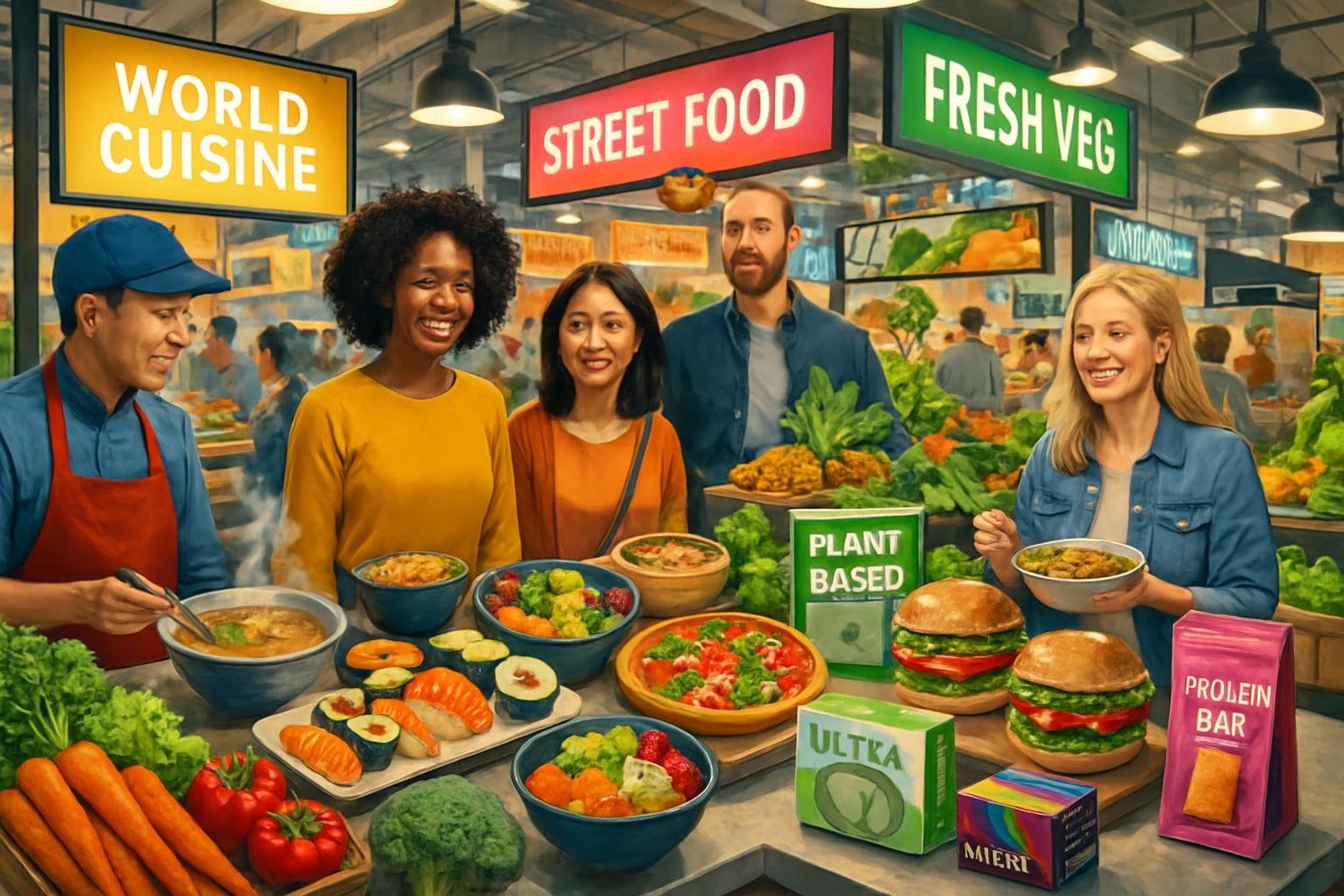
Across continents and cultures, the world of food is undergoing a fascinating transformation. As consumers become more conscious about health, sustainability, and cultural connections, several key trends have emerged that are reshaping how we approach food. Understanding these trends is essential not only for food industry stakeholders but for anyone interested in the evolving landscape of what we eat.
1. The Rise of Plant-Based Diets Beyond the Buzz
Plant-based eating has transcended niche markets to become a defining feature of global food culture. While often associated with vegetarianism and veganism, this trend is broader—focused on integrating more plant foods for health and environmental reasons. The enthusiasm for meat alternatives made from legumes, nuts, and innovative technologies reflects growing consumer demand for protein sources with a lighter ecological footprint. This shift encourages culinary creativity, with chefs and home cooks alike exploring diverse grains, vegetables, and plant proteins to create satisfying meals.
2. Sustainability as a Culinary Imperative
Environmental consciousness drives many of today’s food choices. From farm to fork, sustainability influences production methods, packaging, and distribution. Locally sourced ingredients reduce carbon emissions while supporting regional economies and preserving food traditions. Moreover, reducing food waste is becoming a vital priority, with businesses designing menus and packaging that minimize loss. Consumers increasingly seek transparency about food origins and ethical practices, holding brands accountable for their environmental impact.
3. Global Flavors and Cross-Cultural Fusion
The interconnectedness of the world has made diverse cuisines more accessible and celebrated. Chefs infuse traditional dishes with ingredients and techniques from other cultures, yielding innovative flavor profiles. This fusion movement is not just about novelty but reflects a deeper appreciation of cultural narratives and the sharing of culinary heritage. At the same time, there is a revival of interest in authentic regional cuisines, which honors indigenous ingredients and time-honored cooking methods.
4. The Role of Technology in Food Innovation
Technology’s role is increasingly prominent in food production and consumption. From precision agriculture that improves crop yields with fewer resources, to lab-grown proteins that aim to address ethical concerns, innovation is accelerating. On the consumer side, apps and smart kitchen tools make meal planning and cooking more convenient and personalized. This integration of technology promises to improve food quality and accessibility while tackling some of the industry’s longstanding challenges.
5. Enhanced Focus on Health and Wellness
Health-driven eating is no longer just about calorie counting but encompasses overall well-being. Functional foods, which offer benefits beyond basic nutrition, are trending—think probiotic-rich fermented products or foods fortified with vitamins and minerals. There is also a growing focus on food’s role in mental health and gut wellness. This holistic approach influences choices toward nutrient-dense, minimally processed foods that support long-term vitality.
Conclusion: Navigating the Future of Food with Purpose
Global food trends underscore a dynamic interplay of values, innovation, and heritage in what we eat. As consumers and industry players, recognizing these evolving patterns allows us to make informed decisions—from embracing sustainable sourcing to exploring diverse cuisines that nourish both body and soul. Ultimately, these trends invite us to rethink food not merely as sustenance, but as a platform for cultural exchange, environmental stewardship, and personal well-being.