
How to Protect Your Personal Data Online
How to Protect Your Personal Data Online
Your personal data is valuable, and not just to you. Emails, passwords, banking details, location history, and even everyday browsing habits can be collected, tracked, and misused if they fall into the wrong hands. The good news is that protecting yourself online does not require advanced technical skills. A few consistent habits can significantly reduce your risk and help you stay in control of your information.
Start with strong, unique passwords
One of the simplest and most effective ways to protect your data is to use strong passwords for every account. A weak or repeated password can expose multiple services if one account is breached. Aim for passwords that are long, random, and difficult to guess. Avoid common words, names, or predictable patterns.
- Use a different password for each account.
- Prefer long passphrases or randomly generated passwords.
- Store them in a reputable password manager instead of writing them down in unsafe places.
Turn on two-factor authentication
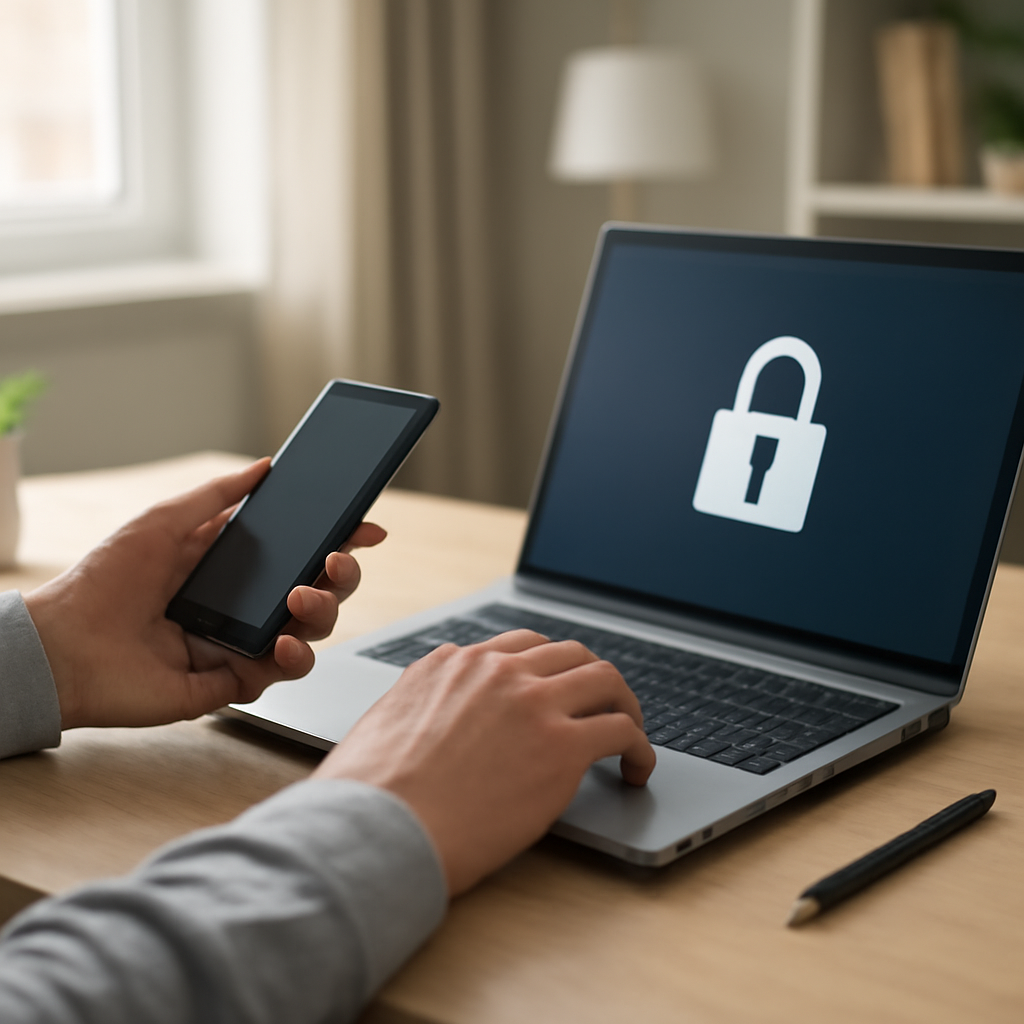
Two-factor authentication adds an extra layer of protection by requiring a second verification step, such as a code sent to your phone or generated by an app. Even if someone steals your password, they may still be blocked from logging in. Enable this feature on important accounts first, especially email, banking, cloud storage, and social media.
Be cautious with what you share
Many people give away too much personal information without realizing it. Social media posts, online forms, quizzes, and public profiles can reveal details that help scammers guess security answers or impersonate you. Review your privacy settings regularly and think twice before posting your full birth date, phone number, address, travel plans, or photos of sensitive documents.
Watch out for phishing scams
Phishing is one of the most common ways criminals steal personal data. These scams often arrive by email, text message, or direct message and try to trick you into clicking a fake link or entering your login details. Be suspicious of urgent requests, unexpected attachments, and messages that pressure you to act quickly.
- Check the sender’s address carefully.
- Do not click links in unexpected messages.
- Log in by typing the website address yourself.
- If a message seems unusual, verify it through official channels.
Keep your devices and apps updated
Software updates do more than add features. They often fix security flaws that hackers can exploit. Update your phone, computer, browser, and apps regularly. Whenever possible, turn on automatic updates so you do not forget. This simple step helps close gaps before they become serious problems.
Use secure connections
Public Wi-Fi can be convenient, but it is not always safe. Avoid logging into sensitive accounts or entering payment details on open networks unless you are using a trusted virtual private network, or VPN, and understand its limitations. Look for secure websites that begin with https, and avoid sharing confidential information on websites that do not use encryption.
Review app permissions and privacy settings
Many apps ask for more access than they truly need. A flashlight app does not need your contacts, and a game may not need your microphone. Review permissions on your phone and computer, and revoke access for anything unnecessary. Also check privacy settings on social platforms, browsers, and online accounts to limit tracking and data sharing.
Monitor your accounts and financial activity
Staying alert helps you spot problems early. Review bank statements, credit card activity, and account login alerts regularly. If your email service or financial provider offers security notifications, turn them on. Early detection can reduce damage if your information is exposed.
Back up important data
Protecting personal data is not only about preventing theft. It is also about avoiding loss. Back up important files, photos, and documents to a secure cloud service or an encrypted external drive. If your device is stolen, damaged, or hit by ransomware, a backup can save you time and stress.
Build habits that last
Online safety works best when it becomes routine. You do not need to change everything at once. Start with the most important steps: strengthen your passwords, enable two-factor authentication, update your devices, and think carefully before sharing information. Over time, these habits create a much stronger barrier around your personal data.
Protecting your personal data online is an ongoing process, but it is manageable. A few smart choices today can help you stay safer, avoid scams, and keep more control over your digital life.