
How to Simplify Your Life and Reduce Stress
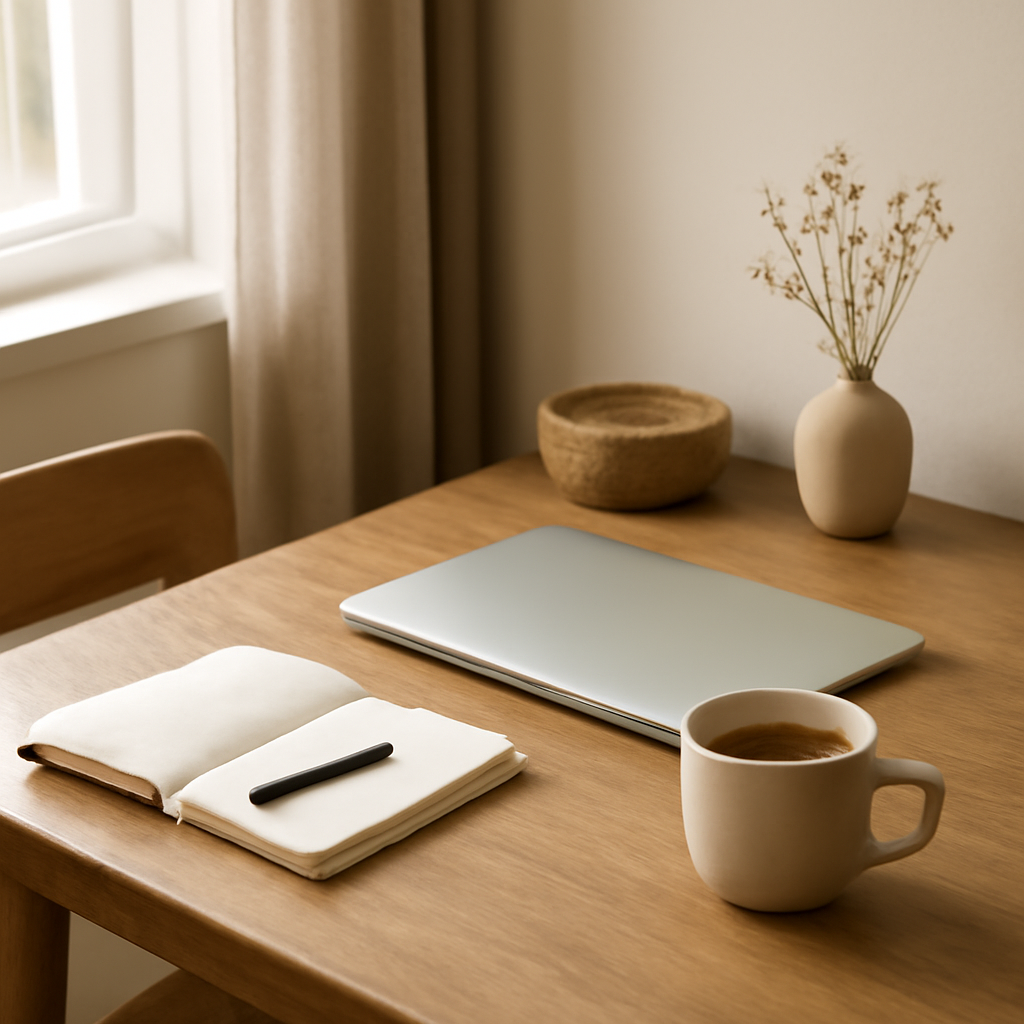
How to Simplify Your Life and Reduce Stress
Modern life can feel crowded with obligations, notifications, clutter, and decisions that never seem to stop. The result is often a constant low-level stress that drains your energy and makes even simple tasks feel harder than they should. The good news is that simplifying your life does not require a drastic overhaul. Small, steady changes can create more calm, more focus, and more room to breathe.
Simplifying is not about giving up everything you enjoy. It is about removing what is unnecessary, reducing mental noise, and making space for the people, habits, and priorities that matter most. When your days feel more intentional, stress usually becomes easier to manage.
Start by Identifying What Is Draining You
The first step is to notice what adds pressure to your life. Stress often comes from a few repeated sources: too many commitments, a cluttered home, poor boundaries, endless screen time, or unrealistic expectations. If you try to fix everything at once, you may feel overwhelmed before you begin. Instead, look for the biggest stress points.
- What tasks do you dread most?
- Which obligations feel optional rather than essential?
- Where do you waste time or energy every day?
- What clutter or chaos do you keep avoiding?
Once you can name the main sources of stress, it becomes easier to simplify with purpose instead of guessing.
Reduce Clutter in Your Space
A messy environment can create mental fatigue, especially when you see unfinished tasks everywhere you look. You do not need a perfect, minimalist home to feel better. Even small improvements can have a noticeable effect on your mood.
Begin with one area that affects your daily routine, such as your desk, kitchen counter, or bedroom. Remove items you do not use, return things to their proper place, and create a simple system for keeping surfaces clear. If you struggle to let go of things, focus on what supports your current life rather than what you think you might need someday.
A calmer space often leads to a calmer mind.
Protect Your Time More Carefully
Many people feel stressed because their schedules are too full and too reactive. Simplifying your life means learning to be more selective with your time. Not every request deserves a yes, and not every invitation needs a response right away.
Try setting limits around your calendar, your phone, and your availability. Leave space between appointments when possible. Turn off nonessential notifications. Create a realistic daily plan that includes breaks, meals, and downtime. A schedule with breathing room is often more productive than one packed from morning to night.
It also helps to ask yourself whether a commitment matches your current priorities. If it does not, it may be time to decline politely.
Make Decisions Easier
Decision fatigue is a real source of stress. The more small choices you make each day, the more mentally tired you may feel. One way to simplify is to create routines that reduce the number of decisions you need to make.
- Plan simple meals you can repeat during the week.
- Choose a basic morning routine and stick to it.
- Wear a small set of comfortable, easy-to-match clothes.
- Automate bills or recurring errands when possible.
These habits do not remove freedom. They create structure so your energy can go toward more meaningful choices.
Limit Digital Overload
Phones, apps, and constant alerts can keep your nervous system in a state of alertness. If you often feel scattered or restless, your digital habits may be part of the problem. Simplifying does not mean avoiding technology entirely; it means using it more intentionally.
Unfollow accounts that leave you drained. Check email and messages at specific times instead of constantly. Keep your home screen simple. Take short breaks from social media when you notice it increasing comparison, distraction, or anxiety. Even small changes in screen use can make your day feel less fragmented.
Build a Life Around Essential Habits
Stress becomes easier to manage when your basics are in order. Sleep, movement, hydration, and nourishing food are not glamorous solutions, but they strongly affect how resilient you feel. When these essentials are neglected, everything else becomes harder.
Instead of chasing a perfect wellness routine, choose a few habits you can sustain. A short walk, regular sleep, a glass of water in the morning, or a consistent bedtime can make a meaningful difference over time. Simplicity works best when it is realistic.
Let Go of Perfectionism
Trying to do everything perfectly is one of the fastest ways to create stress. A simpler life often requires accepting “good enough” in some areas. Meals do not need to be elaborate. Your home does not need to look staged. Your schedule does not need to be packed to feel valuable.
When you release perfectionism, you create more space for peace. You also make it easier to maintain the habits that support your well-being.
Keep What Truly Matters
Simplifying your life is less about subtraction for its own sake and more about making room for what matters most. That might mean more rest, stronger relationships, better focus, or simply less pressure. The goal is not to live with less joy, but with less unnecessary noise.
Start small. Pick one area of your life to simplify this week, and make one practical change. Over time, those changes can build a life that feels lighter, clearer, and easier to manage.