
Minimalist Lifestyle Tips for Beginners: A Practical Guide to Simplifying Your Life
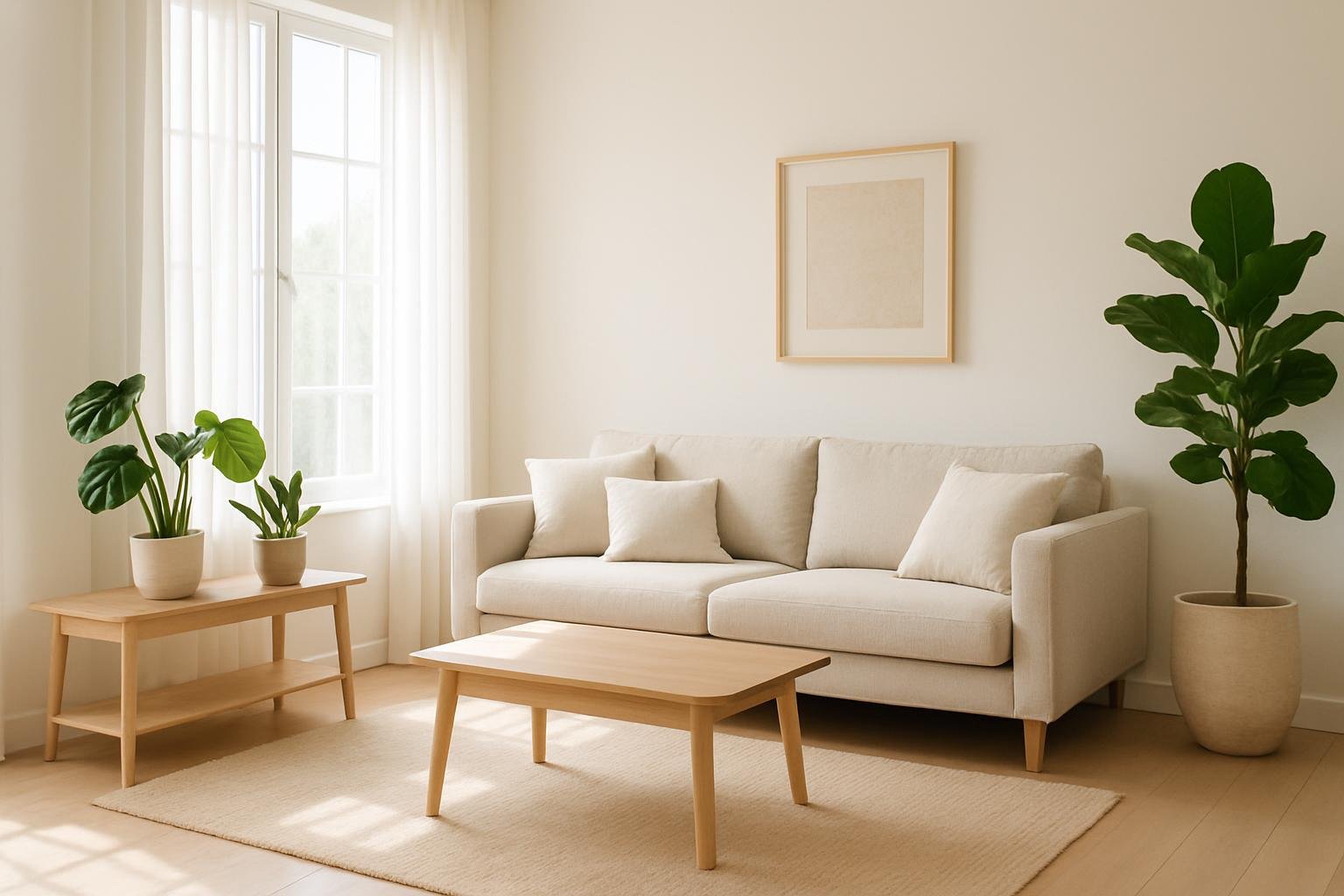
Minimalist Lifestyle Tips for Beginners: A Practical Guide to Simplifying Your Life
In a world increasingly saturated with excess—be it possessions, commitments, or digital distractions—the allure of minimalism grows ever stronger. For beginners, however, the idea of adopting a minimalist lifestyle can seem daunting. Where does one even start? More importantly, how does minimalism translate into practical, everyday change rather than just a trendy buzzword?
Understanding Minimalism Beyond the Surface
Minimalism isn’t about deprivation or stripping your life bare. At its core, it’s a conscious choice to eliminate the non-essential—material, mental, and emotional—in favor of clarity, purpose, and intentional living. This mindset shift is vital because simply discarding possessions without real intention often leads to frustration rather than freedom.
Start Small: Decluttering as a Thoughtful Process
For beginners, tackling minimalism through decluttering provides a tangible entry point. But instead of overwhelming yourself by clearing entire rooms, focus on categories that truly impact your day-to-day life. This might mean your wardrobe, kitchen gadgets, or digital files.
Ask yourself critical questions: Do I use this? Does it bring me joy or serve a purpose? Would I immediately replace it if lost? Answering honestly can help distill what’s essential and what’s simply excess noise.
Prioritize Quality Over Quantity
Minimalism is not about owning less for the sake of it; it’s about cultivating a collection of items that add value. Investing in well-made, multi-functional belongings reduces clutter and waste, aligning purchases with long-term satisfaction rather than momentary impulse.
Mindful Consumption and Boundaries
A key aspect of minimalist living is becoming aware of your consumption habits. This extends beyond physical goods to how you allocate your time and energy. Setting boundaries around social media or commitments allows you to pursue deeper focus and avoid the burnout associated with overextension.
Adopt Simple Systems That Support Your Lifestyle
Creating routines and organizing methods that reflect minimalist principles helps sustain your progress. Simple habits, such as a weekly review of possessions or a daily digital detox, maintain clarity and prevent clutter from creeping back in.
The Emotional Layer: Letting Go With Compassion
Parting with possessions often carries emotional weight. Minimalism encourages a compassionate approach—acknowledging memories and attachments while choosing freedom over hoarding. This mindset fosters psychological decluttering, which is just as essential as physical tidying.
Conclusion: Minimalism as a Journey, Not a Destination
Embracing a minimalist lifestyle is an ongoing process of reassessment and intentional living. For beginners, the most important takeaway is to approach minimalism with patience and self-awareness. It’s less about perfection and more about progress—cultivating space, time, and clarity to live a life aligned with your deepest values.
By starting small, prioritizing quality, setting boundaries, and addressing emotional nuances, minimalism becomes a practical, sustainable lifestyle choice rather than an abstract ideal. The journey toward simplicity is uniquely personal, offering rewards that ripple through every aspect of daily living.