
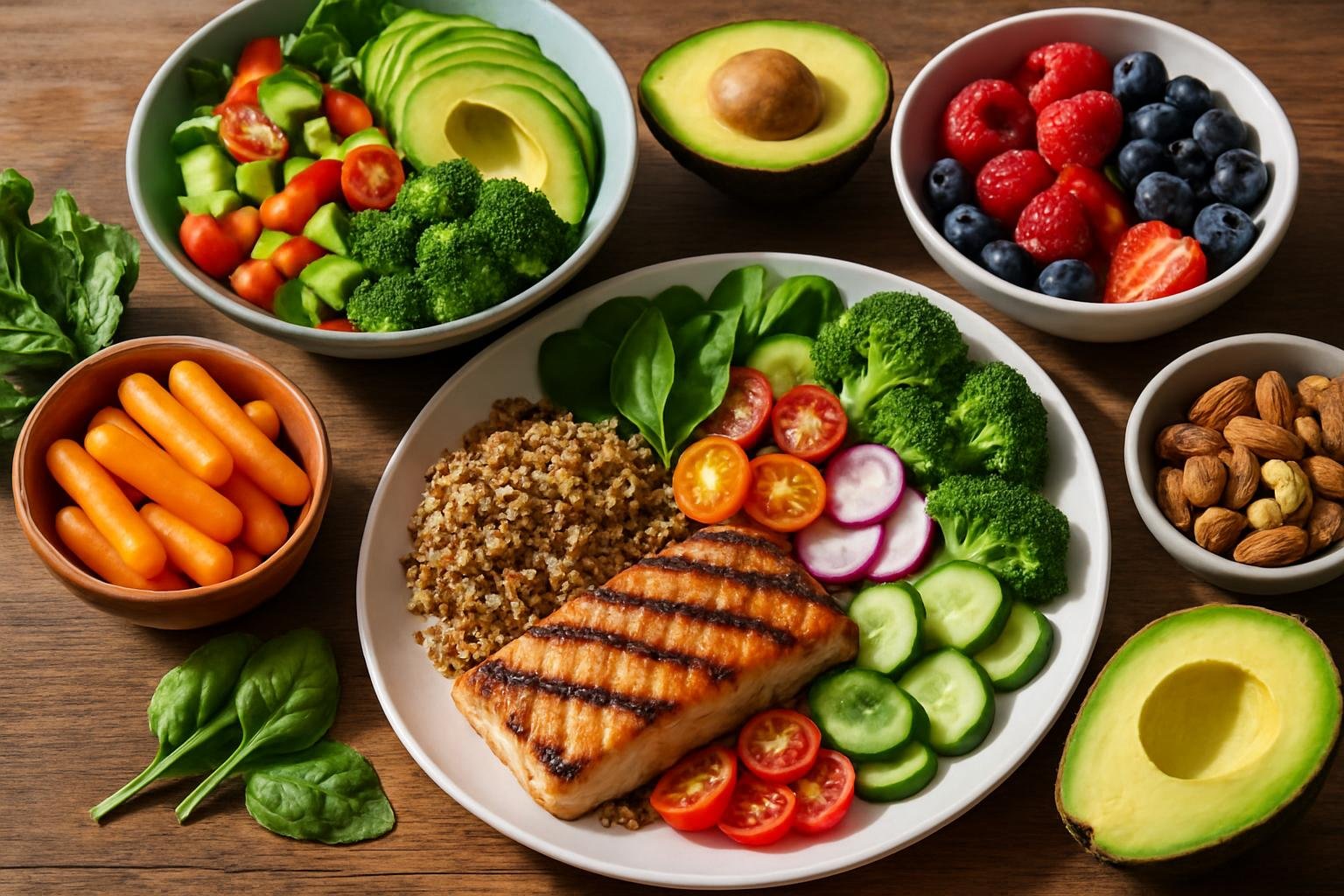
Nourishing Choices: The Best Foods for Sustained Energy and Optimal Health
In our fast-paced modern lives, maintaining steady energy and robust health can feel elusive. Yet, the foundation of vitality hinges largely on what we eat. While trends and fads come and go, the essentials of nutrition remain clear: certain foods consistently deliver the nutrients our bodies need to operate efficiently and keep fatigue at bay. This article explores these reliable dietary allies, providing a nuanced perspective on how thoughtful food choices can fuel your day and support long-term wellness.
Understanding Energy: More Than Just Calories
Energy in biological terms isn’t simply about consuming calories; it is about the quality and timing of those calories. Foods rich in complex carbohydrates, healthy fats, and proteins supply a steady stream of fuel for the body’s cells. Simple sugars may spike energy momentarily but often lead to a rapid decline, leaving one feeling drained. A balanced diet is integral to stabilizing blood sugar levels and sustaining energy throughout the day.
Whole Grains: The Steady Release Champions
Whole grains such as oats, quinoa, brown rice, and barley provide complex carbohydrates and fiber that digest slowly, generating consistent energy over hours. They also supply essential micronutrients like B vitamins and magnesium, critical for cellular energy metabolism. Incorporating whole grains at breakfast or lunch helps prevent the mid-afternoon energy slump and supports cognitive function.
Lean Proteins: Building Blocks and Energy Regulators
Proteins are vital not only for muscle repair but also for releasing amino acids that serve as energy substrates and regulate appetite. Sources like chicken, turkey, legumes, and fish provide lean protein with minimal saturated fat. Including moderate protein in meals stabilizes blood glucose by slowing carbohydrate absorption, which helps maintain alertness and physical performance.
Healthy Fats: Essential for Brain and Body Energy
Fats often get a bad rap, but healthy fats are crucial for sustained energy and overall health. Omega-3 fatty acids found in fatty fish, flaxseeds, and walnuts support cognitive function and reduce inflammation. Monounsaturated fats in avocados and olive oil contribute to satiety and can be efficiently metabolized for energy. A diet inclusive of these fats ensures the body and brain receive essential nourishment beyond quick carbohydrates.
Fruits and Vegetables: Micronutrient Powerhouses
Energy production at the cellular level depends on vitamins and minerals that many fruits and vegetables abundantly provide. Leafy greens, berries, citrus fruits, and sweet potatoes offer antioxidants, vitamin C, potassium, and iron, which bolster cellular respiration and protect against oxidative stress. Their fiber content also aids digestion, preventing energy dips caused by blood sugar fluctuations.
Hydration: The Often Overlooked Energy Factor
Hydration status profoundly impacts energy levels. Even mild dehydration can impair concentration and cause fatigue. Water is vital for nutrient transport and metabolic processes. Herbal teas and water-rich fruits like watermelon can complement hydration routines. Establishing consistent fluid intake throughout the day is a simple yet effective strategy for maintaining vigor.
Practical Tips for Integrating Energy-Boosting Foods
Too often, dietary advice becomes overwhelming. The key is manageable integration. Start with whole-grain breakfasts such as oatmeal topped with nuts and fresh fruit. Incorporate a variety of colorful vegetables and lean proteins into lunch and dinner plates. Use olive oil-based dressings and include fatty fish a couple of times per week. Keep a water bottle handy and opt for fruit snacks instead of processed sweets. Small, consistent steps make a significant impact.
Conclusion: Eating Well for Enduring Vitality
Ultimately, the journey to sustained energy and a healthy body is anchored in balanced, nutrient-rich foods rather than quick fixes or restrictive diets. Emphasizing whole grains, lean proteins, healthy fats, and a colorful array of fruits and vegetables lays the groundwork for optimal physiological function. When combined with mindful hydration and practical meal planning, these foods become more than just nourishment—they become tools for a vibrant, energetic life.