
Online Learning vs Traditional Learning: A Nuanced Look at Which Works Best
Introduction
The debate between online learning and traditional learning is far from settled. Both modes offer unique benefits and challenges that shape how students acquire knowledge and develop skills. As education continues to evolve, understanding the nuances of each approach is essential to making informed decisions about which learning environment best fits individual needs.
The Strengths of Traditional Learning
Traditional learning—characterized by in-person attendance in classrooms—has a longstanding tradition grounded in direct interaction. It facilitates real-time communication, socialization, and spontaneous collaboration, all vital for developing interpersonal skills and a sense of community. The structure and routine of physical classes often provide discipline and accountability that can enhance focus and motivation.
Moreover, traditional learning environments benefit from immediate access to educators who can provide tailored feedback, clarify complex topics, and engage students dynamically. The sensory experiences in classrooms—such as hands-on activities, laboratory experiments, and group discussions—are challenging to replicate fully in virtual settings.
The Rise and Realities of Online Learning
Online learning has surged in popularity, driven by technological advances and the demand for flexibility. It democratizes education by breaking geographical barriers and allowing learners to access diverse courses and programs worldwide. This modality is particularly advantageous for those balancing work, family, or other commitments.
However, online learning requires a high degree of self-discipline and motivation. Without the physical presence of peers and teachers, some learners may struggle with engagement and isolation. The effectiveness of online education often depends on the quality of the digital platform, course design, and the ability of instructors to foster interaction virtually.
Comparing Outcomes and Suitability
When comparing outcomes, research suggests that neither mode is unequivocally superior; success often hinges on context. For subjects requiring hands-on practice or immediate feedback—such as laboratory sciences or performing arts—traditional settings generally hold an advantage. Conversely, fields that lean heavily on theory and flexible pacing can thrive online.
Furthermore, learner preferences and personal circumstances play a pivotal role. Some individuals excel in the structured environment of classrooms, while others flourish in the self-directed nature of online study. Accessibility, learning styles, and career goals should guide the choice rather than a one-size-fits-all mentality.
Practical Takeaways
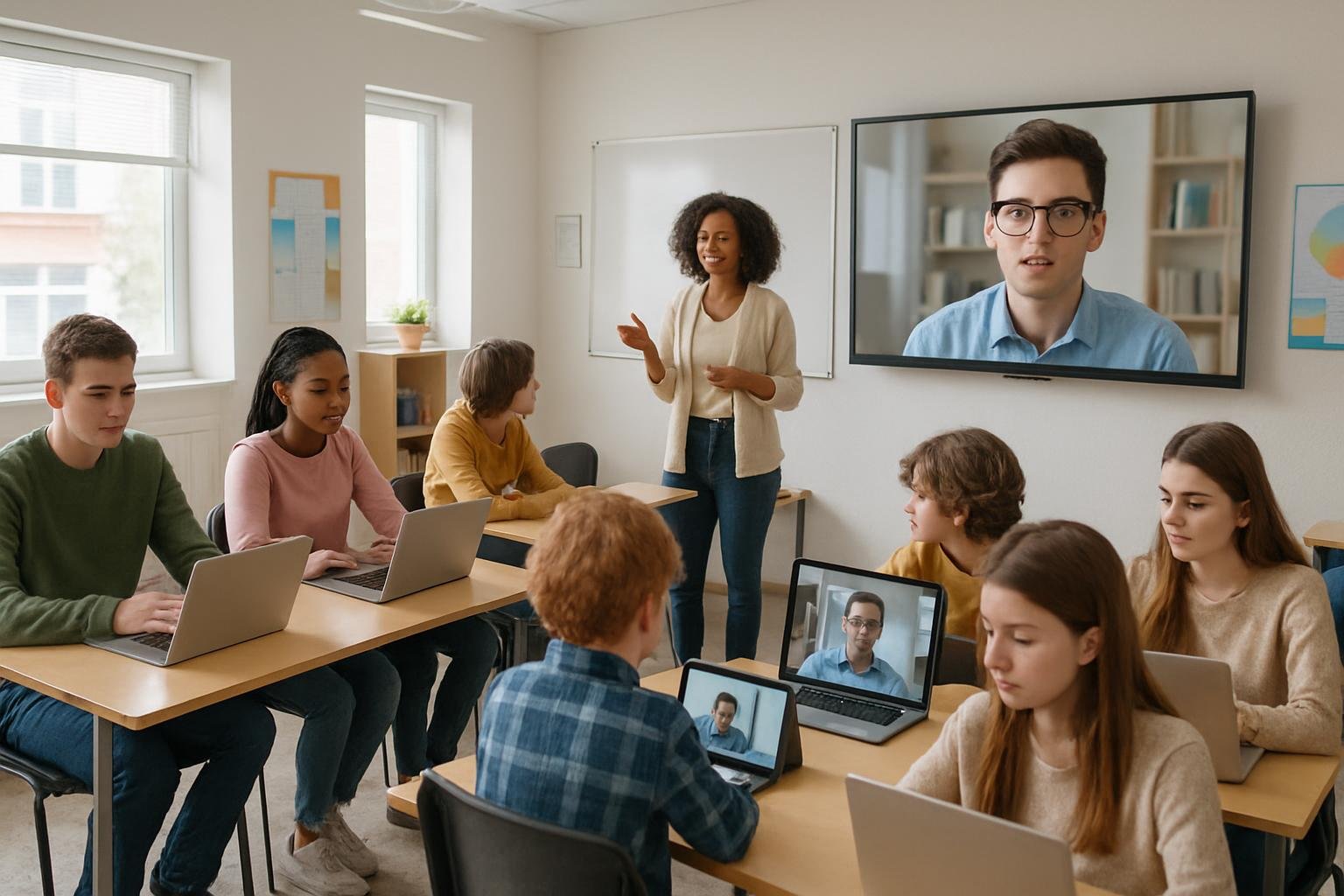
Educational institutions and learners benefit from a blended approach that integrates the strengths of both methods. Hybrid models, combining in-person sessions with virtual components, can offer flexibility without sacrificing interaction.
For students, investing time in developing self-regulation skills and seeking community—whether online or offline—can enhance the learning experience. Educators should prioritize designing engaging, interactive content and maintaining open channels of communication irrespective of the delivery method.
Conclusion
The question isn’t simply which is better—online or traditional learning—but rather which suits the learner’s unique context and objectives. Both have valid merits and distinct limitations. A thoughtful embrace of both approaches, aligned with individual needs and evolving educational technology, promises the most fruitful outcomes for learners today and in the future.