
Simple Homemade Recipes for Beginners: A Practical Guide to Confident Cooking
Cooking at home doesn’t have to be intimidating. For many beginners, the kitchen can feel like an unpredictable battlefield filled with complicated techniques and unfamiliar ingredients. Yet, embracing the art of simple homemade recipes can demystify cooking, empower your taste buds, and transform everyday meals into satisfying experiences.
Why Start with Simple Recipes?
Beginning with straightforward dishes is more than a confidence-building exercise; it lays a solid foundation for understanding basic culinary principles. Simple recipes reduce the overwhelm of complex steps and help novices become familiar with common ingredients and essential kitchen tools. This approach also fosters creativity by encouraging experimentation without the fear of failure.
Moreover, simple meals often celebrate the quality and harmony of flavors rather than relying on elaborate preparations. This appreciation deepens culinary knowledge and sharpens palate sensitivity—a vital skill for any cook.
Key Elements of Simple Homemade Recipes
Effective beginner recipes share several characteristics:
- Minimal Ingredients: Recipes demanding only a handful of accessible ingredients help control costs and simplify shopping.
- Short Prep and Cook Times: Quick recipes minimize frustration and sustain motivation.
- Clear, Step-by-Step Instructions: Well-structured directions reduce ambiguity and guide the cook smoothly through the process.
- Versatility: Flexible recipes that allow ingredient substitutions empower cooks to adapt based on personal preferences or pantry contents.
Practical Homemade Recipes to Begin With
Here are examples of simple recipes that embody these principles and serve as excellent starting points:
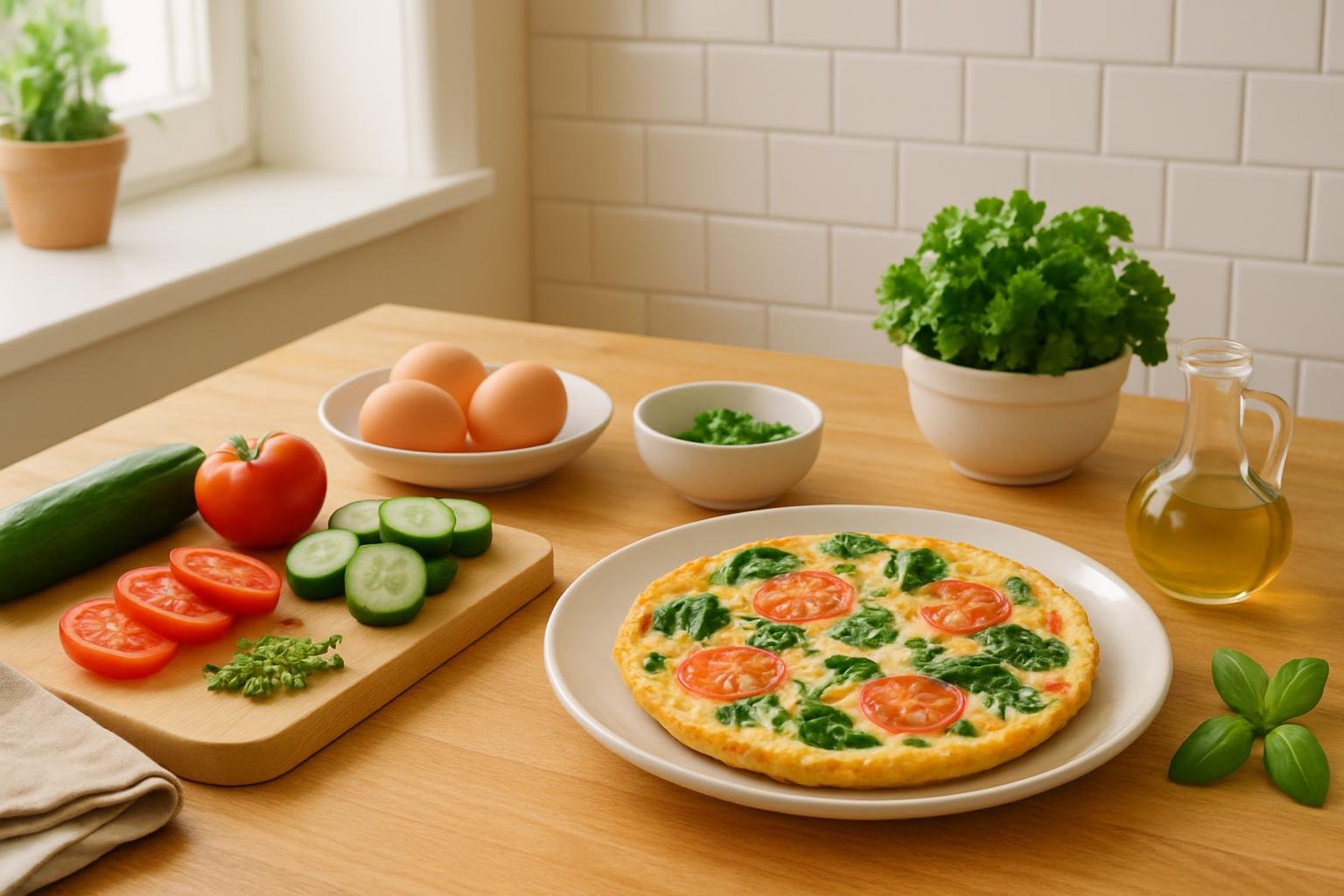
1. Classic Omelet
Omelettes require eggs, salt, pepper, and optionally some cheese, vegetables, or herbs. The technique introduces basic stovetop skills and timing, resulting in a satisfying meal any time of day.
2. One-Pot Pasta
This recipe involves cooking pasta directly with broth, tomatoes, and seasoning in a single pot. It teaches patience and demonstrates how flavors meld when cooking ingredients together.
3. Roasted Vegetables
Simply roasting vegetables like carrots, sweet potatoes, or broccoli with olive oil, salt, and herbs provides insight into heat application and texture contrast.
Building Confidence Beyond Recipes
Learning to cook simply isn’t just about following instructions—it’s about developing intuition. Pay attention to the ways ingredients transform visually and aromatically during cooking. Experiment with seasoning in measured ways and note how flavors evolve.
It’s equally important to embrace mistakes as part of the learning curve. Burnt edges or under-seasoned dishes are lessons that cultivate better judgment over time.
Conclusion: Empowering Beginner Cooks Through Simplicity
Embarking on a homemade cooking journey begins with simplicity and patience. By focusing on easy-to-make recipes, understanding foundational techniques, and approaching the kitchen with a curious mindset, beginners can build lasting culinary skills and confidence. Ultimately, cooking becomes not just a necessity but a creative, enjoyable act that nourishes both body and mind.