
The Best Foods to Buy in Bulk and Use Every Week: Expert Guide to Smart Stocking
The Best Foods to Buy in Bulk and Use Every Week: Expert Guide to Smart Stocking
Buying foods in bulk is a strategy embraced by savvy home cooks and budget-conscious shoppers alike. When chosen wisely, bulk purchases can significantly reduce grocery bills, minimize packaging waste, and ensure your kitchen is always prepared. However, not every item benefits equally from bulk buying, and knowing which foods maintain quality and usability over time is key.
Why Buy Food in Bulk?
Bulk shopping isn’t just about saving money; it’s a method to streamline your cooking process and reduce frequent trips to the store. Additionally, in an era where sustainability is increasingly important, purchasing larger quantities reduces overall packaging waste. Yet, the critical factor is choosing foods that retain freshness, offer nutritional value, and have versatile culinary applications.
1. Dried Legumes and Beans: Nutrient-Rich Staples
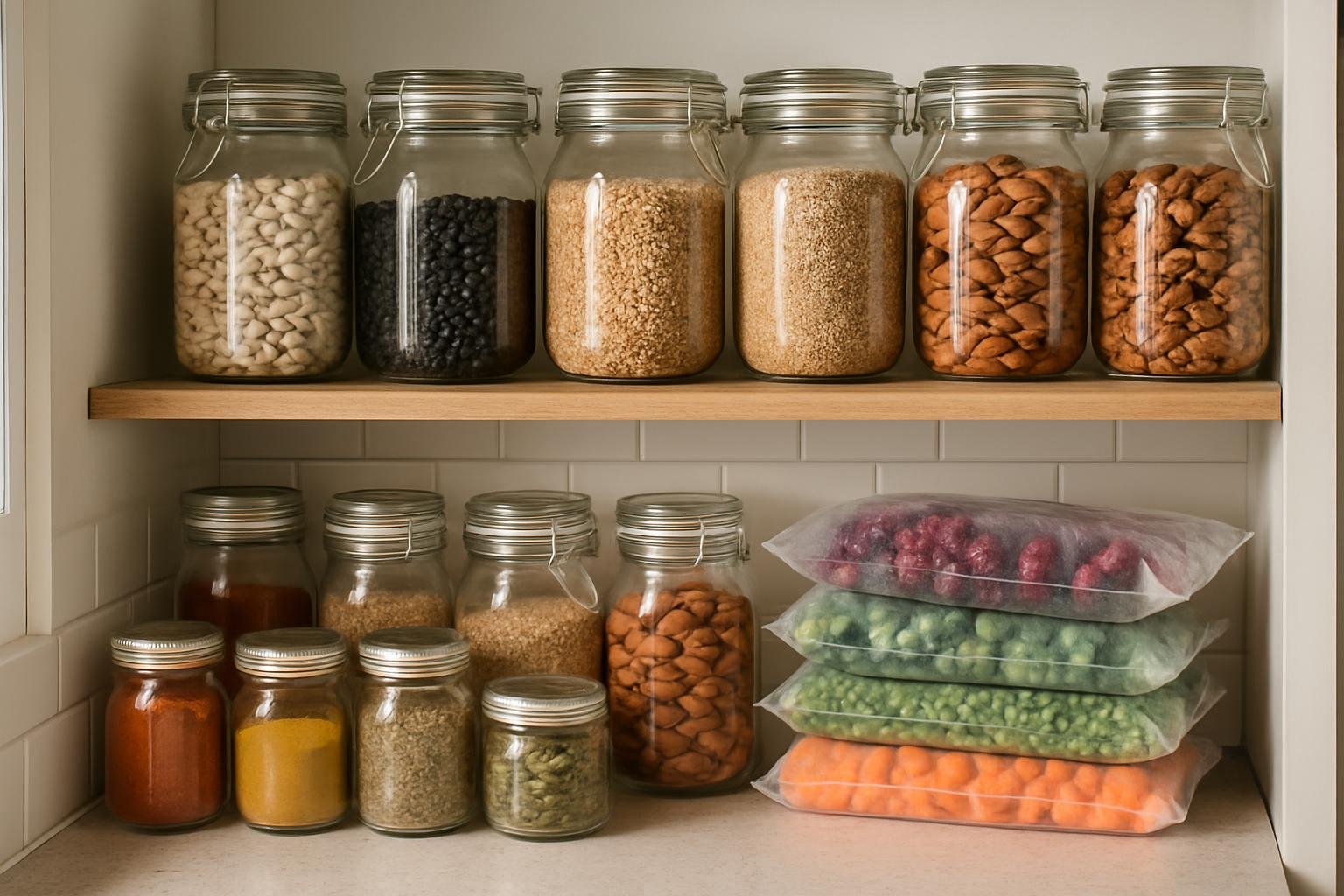
Dried beans, lentils, and chickpeas are quintessential bulk buys. They store extremely well in airtight containers and boast a long shelf life. Nutritionally dense and fiber-rich, these pulses can be easily soaked and cooked into soups, stews, salads, and even plant-based burgers. Buying them in bulk cuts down costs significantly compared to canned varieties.
2. Whole Grains: Reliable Pantry Powerhouses
Quinoa, brown rice, barley, and oats all fall into the category of whole grains that thrive in bulk storage. These grains have a firm shelf life when kept dry and cool, making them ideal for preparing a variety of meals from breakfast to dinner. Whole grains can complement anything from hearty bowls to baked goods, offering sustained energy and texture diversity.
3. Nuts and Seeds: Convenient Snacking and Cooking Ingredients
Nuts and seeds purchased in bulk are economical and versatile. Almonds, walnuts, sunflower seeds, and flaxseeds add healthy fats and protein to diets. Properly sealed and refrigerated after opening, they retain freshness longer. Incorporating them into salads, yogurts, or homemade granola boosts both flavor and nutrition.
4. Frozen Fruits and Vegetables: Preserved Freshness Without Waste
While not traditional “bulk” buys in dry form, frozen produce often comes in larger bags that stretch over weeks. The freezing process locks in nutrients and flavor while preventing spoilage. This is especially valuable for out-of-season items, allowing for diverse meal planning and smooth blending into smoothies, sauces, or side dishes.
5. Spices and Dried Herbs: Elevating Every Dish Economically
Purchasing spices and herbs by weight in bulk sections of grocery stores enables you to stock up without paying for excess packaging. Dried spices maintain potency for months when stored properly. A well-curated spice pantry enhances any dish, making smaller portions go further.
What to Avoid Buying in Bulk
Not every food item benefits from bulk purchasing. Fresh, highly perishable products may lead to unnecessary waste unless you have a plan. Items with short shelf lives or complex storage needs, like certain dairy products or delicate leafy greens, are better bought as needed.
Practical Tips for Bulk Buying Success
- Storage: Invest in airtight containers and consider vacuum sealing for longer preservation.
- Rotation: Use the FIFO (first in, first out) method to keep stock fresh and minimize waste.
- Meal Planning: Incorporate bulk staples regularly into your menus to ensure they are consumed timely.
- Bulk Portions: Divide large purchases into smaller usable portions to prevent repeated exposure to air and moisture.
Conclusion: Building a Smart, Sustainable Pantry
Buying food in bulk intelligently combines economic savvy with culinary versatility. By focusing on long-lasting staples like dried beans, whole grains, nuts, seeds, frozen produce, and spices, you create a pantry that supports diverse, nutritious meals all week long. Thoughtful storage and meal planning ensure that these foods maintain quality, reducing waste and enriching your cooking experience. Embracing this approach cultivates not just savings, but a more sustainable and efficient kitchen rhythm.