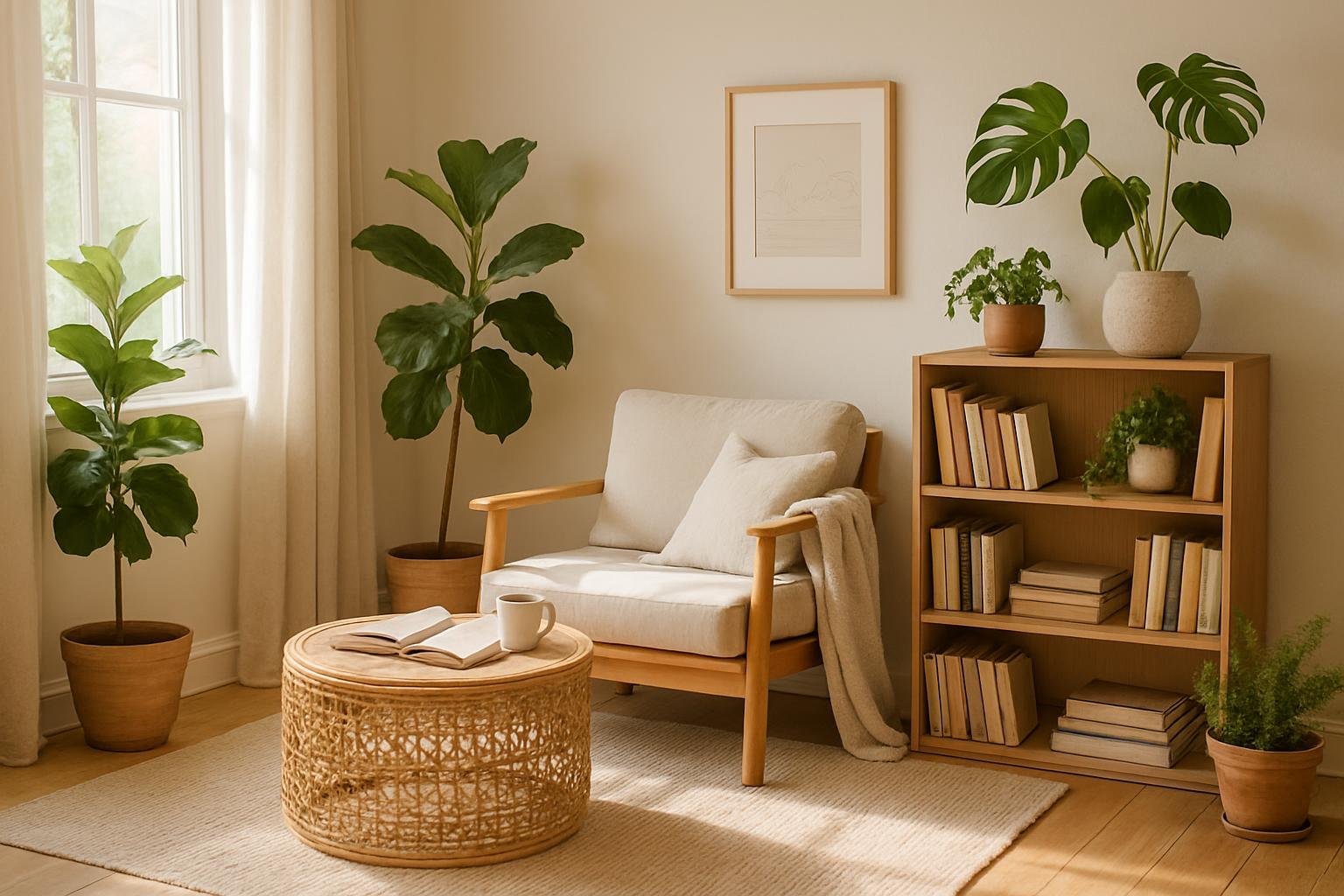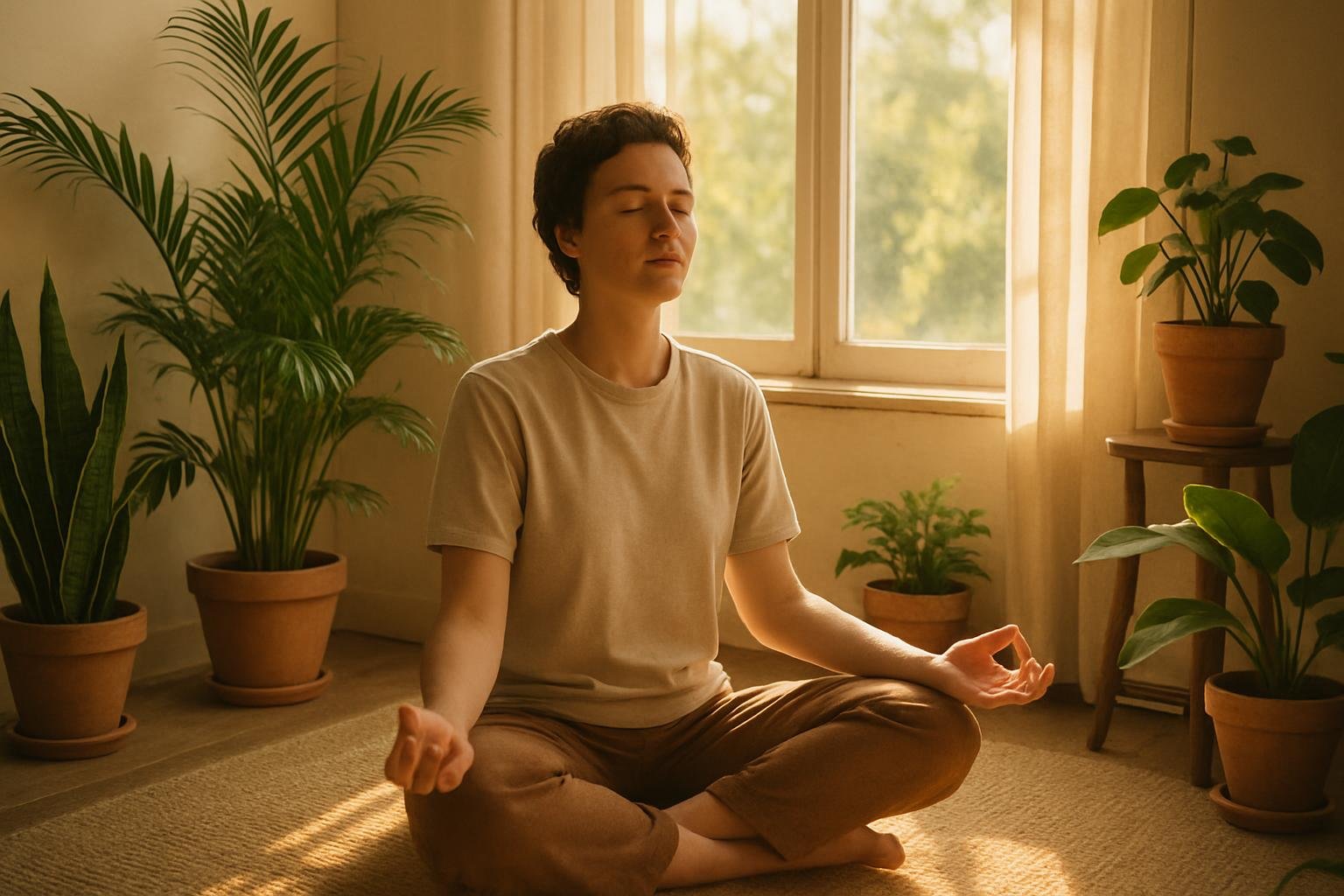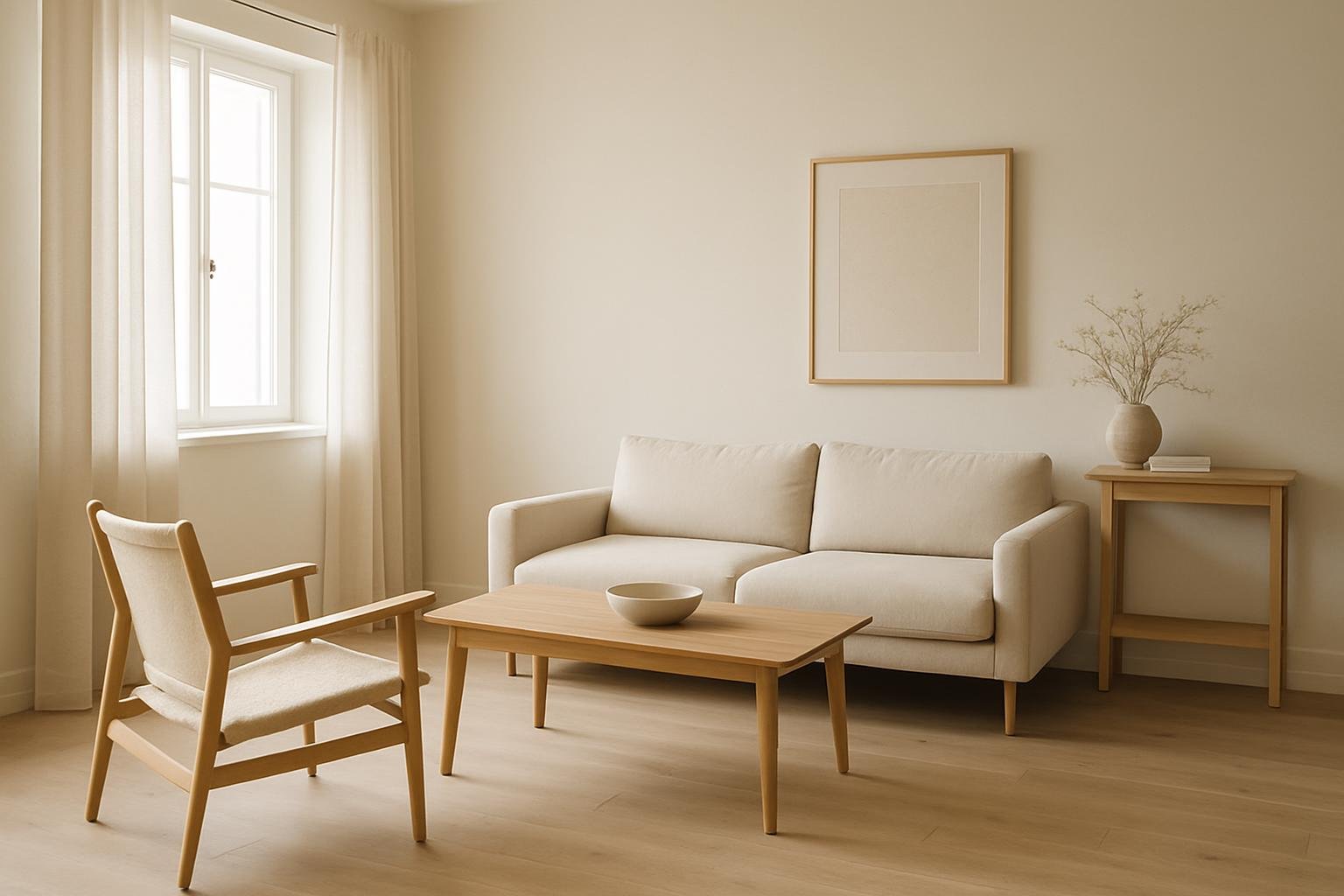
The Allure of Simplicity in a Complex World
In an era defined by rapid technological advances and endless consumer choices, a noticeable shift is occurring: more people are consciously choosing simplicity over excess. This isn’t mere nostalgia for a simpler time but a deliberate, thoughtful response to the overwhelming pace and clutter of modern life. Embracing simplicity has become a movement toward intentional living, where quality is favored over quantity and mindfulness over impulse.
Excess and Its Discontents
For decades, society equated growth and happiness with accumulation. Bigger houses, more gadgets, and elaborate lifestyles were markers of success. However, this paradigm has revealed its limitations. Excess often breeds stress, environmental degradation, and a diminished sense of purpose. The constant pursuit of more can lead to burnout and a disconnect from what truly matters.
Moreover, consumer culture encourages a cycle where possessions are rapidly discarded and replaced, resulting in waste and unsustainable resource use. Psychologically, this temptation to overconsume can foster dissatisfaction, as filling life with things often fails to fill the underlying emotional or social voids.
Minimalism as a Mindful Alternative
Minimalism and simplicity advocate a different path—one that emphasizes intentionality. By stripping away the non-essential, individuals gain clarity, reduce distractions, and focus on activities and relationships that bring genuine fulfillment. This approach influences not only physical belongings but also time management and digital consumption.
Practically, this might involve decluttering living spaces, prioritizing experiences over possessions, or choosing quality over quantity in daily decisions. Such habits cultivate a lifestyle that feels more manageable and sustainable, improving overall well-being.
The Sustainability Connection
Another driving force behind the preference for simplicity is environmental awareness. Excessive consumption contributes significantly to climate change, pollution, and resource depletion. By choosing fewer, better-quality items and reducing waste, individuals actively participate in a more sustainable future.
In this light, simplicity becomes an ethical choice, blending personal health with planetary responsibility. This alignment resonates especially with younger generations who prioritize ecological impact when making lifestyle decisions.
Challenges and Practical Considerations
Adopting simplicity is not without challenges. It requires reevaluating ingrained habits and societal pressures. There can be a tension between societal expectations of success and a minimalist ethos. Additionally, economic structures often reinforce consumerism, making it difficult to resist the lure of excess.
Nonetheless, practical steps can ease this transition. Setting clear personal values, establishing mindful spending habits, and cultivating hobbies that emphasize presence rather than accumulation can help individuals create sustainable simplicity in their lives.
Conclusion: A Timeless Choice for Modern Life
The growing preference for simplicity over excess reflects a profound cultural and psychological shift. It symbolizes not rejection but redefinition—about what constitutes a meaningful, joyful life in a noisy and cluttered world. Embracing simplicity is ultimately about reclaiming control, fostering sustainability, and finding contentment not in abundance, but in balance.