
The Biggest Entertainment Trends to Watch
The Biggest Entertainment Trends to Watch
Entertainment is changing faster than ever. What people watch, play, share, and pay for is being reshaped by new platforms, shifting audience habits, and smarter technology. The biggest trend is not one single format winning everything. Instead, entertainment is becoming more personalized, more interactive, and more spread out across devices and channels. If you want to understand where the industry is headed, these are the trends worth watching.
1. Streaming Is Becoming More Selective
For years, streaming meant adding more and more subscriptions. Now many viewers are making different choices. People are becoming more selective about which services they keep, and they are expecting better value for their money. This has pushed platforms to bundle services, add cheaper ad-supported tiers, and focus on exclusive content that feels worth the price.
The result is a smarter streaming market. Instead of trying to own every show, platforms are competing on quality, convenience, and standout programming. For audiences, this means fewer subscriptions may become the norm, but each one will need to deliver something clearly unique.
2. Short-Form Video Still Shapes Taste
Short-form video continues to influence what people discover and talk about. Clips, highlights, and quick edits now function as a major discovery engine for movies, shows, music, and creators. A trailer no longer has to do all the work. A 20-second clip can spark interest, create a meme, or turn a niche project into a mainstream hit.
This trend is especially powerful with younger audiences, who often discover entertainment through social feeds before they ever search a platform directly. For studios and creators, that means marketing is increasingly built around moments, not just campaigns.
3. Gaming Is Expanding Beyond Games
Gaming is no longer just a hobby for dedicated players. It has become one of the biggest entertainment ecosystems in the world, influencing film, television, music, fashion, and live events. Popular game franchises are turning into movies and series, while streamers and esports personalities are becoming major celebrities in their own right.
At the same time, games are becoming more social and more accessible. Cloud gaming, mobile gaming, and cross-platform play make it easier for casual audiences to participate. The line between player, viewer, and fan keeps getting thinner.
4. Live Experiences Are More Valuable Than Ever
Even in a digital-first world, live entertainment remains deeply powerful. Concerts, sports, theater, fan conventions, and immersive events offer something screens cannot fully replace: shared, real-time energy. People are still willing to pay for in-person moments that feel special and memorable.
What is changing is the format. Live events are becoming more hybrid, more interactive, and more premium. Some include backstage content, fan participation, or digital add-ons that extend the experience beyond the venue. As audiences look for connection and authenticity, live entertainment is becoming a stronger differentiator.
5. Fans Want More Participation
Today’s audiences do not just want to consume entertainment. They want to shape it, discuss it, remix it, and feel part of the community around it. This is why fan voting, creator commentary, behind-the-scenes access, and interactive story features are gaining popularity.
Entertainment brands are responding by building stronger communities instead of only releasing content. Successful franchises now rely on fandom as much as distribution. The more a project gives people a way to engage, the more likely it is to keep attention over time.
6. Artificial Intelligence Is Changing Production and Discovery
Artificial intelligence is quietly influencing many parts of entertainment. It is being used to help with editing, dubbing, recommendations, personalization, and content planning. In some cases, it is speeding up production workflows. In others, it is helping audiences find exactly what they want more quickly.
At the same time, AI raises important questions about creativity, authenticity, and jobs. The companies that use it well will likely treat it as a support tool rather than a replacement for human creativity. The most successful entertainment will still depend on original ideas, emotional connection, and strong storytelling.
What These Trends Mean for the Future
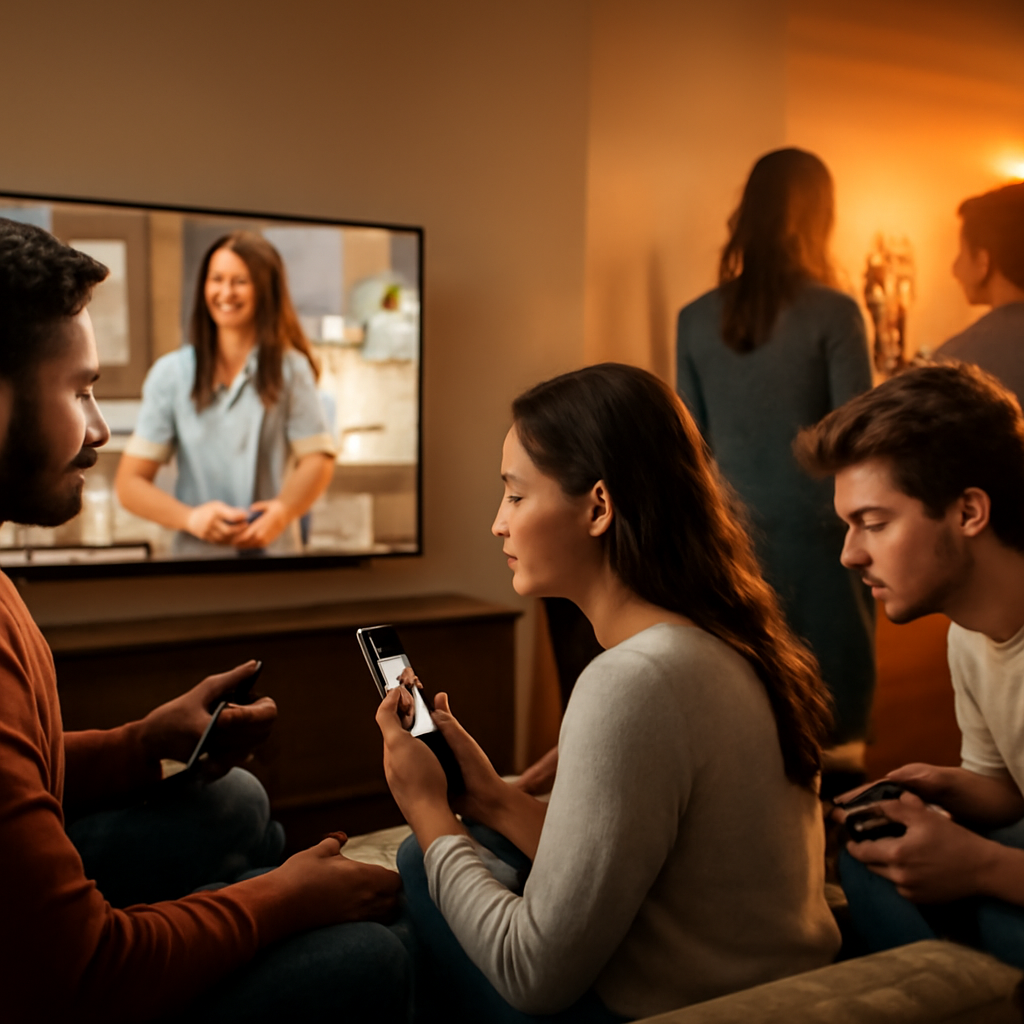
The entertainment industry is moving toward a more flexible future. Audiences want convenience, but they also want personality, exclusivity, and a sense of belonging. They may stream one night, watch a live clip the next, play a game on the weekend, and follow a creator in between. The biggest winners will be the brands and creators that understand this fluid behavior.
If there is one clear takeaway, it is this: entertainment is no longer defined by a single screen or a single format. It is a connected mix of content, community, and experience. And that mix is only becoming more important.
Final Thoughts
The biggest entertainment trends to watch are not just about technology. They are about how people choose to spend their attention. Streaming is becoming smarter, short-form video is driving discovery, gaming is growing into a mainstream cultural force, and live experiences are more valuable than ever. Add in stronger fan participation and the rise of AI tools, and the future of entertainment looks more dynamic than ever.